Categories
Clinical Innovation Opinion Technology

The 21st century Frankenstein Revival

Background

Human head transplantation (the head anastomosis venture project – HEAVEN) has been for a long time merely a neurosurgical and medical theoretical concept that did not enjoy much attention among the medical community. However, in recent times, there have been voices trying to revitalize this question. Italian neurosurgeon, Dr. Sergio Canavero, is one of the most prominent protagonists in this regard. The idea behind this concept is to help people who have severe physical disabilities (such as neuromuscular dystrophies or tetraplegia), but have an intact head and brain. There is a vast array of medical, ethical and physiological questions and obstacles that are ahead of this endeavor. Despite a lot of skepticism, Dr. Canavero has laid out a couple of transplantation protocols he believes can get the job done. In these protocols, he tried to answer and address every possible challenge that is expected to occur during this delicate and immensely complex procedure. The main purpose of this short article is to analyze the crucial components of his protocols and try to determine if they have any rational scientific relevance and ethical/medical justification.

Why do it?

Before you chop someone’s head off, you’d better have some good reasons, right? This is fundamental. In medicine, conditions are treated if the potential benefits of the treatment outweigh the potential risks. For each particular disease state, there has to be a justified medical indication and logical/rational foundation behind treatment. This is the sine qua non of every medical intervention. You have to bear in mind that anything you do has to lead, ultimatively, to a better quality of life. In that regard, I doubt that this procedure would accomplish that goal  at the present moment and it principally acts as an academic exercise, albeit lethal one. I generally do not support doing things just for the sake of doing them, especially in medicine where such behavior can be costly and unethical. Sure, you can become hero of the day and act in a „told you so“ manner if things go your way, but what if they don’t?

Even if you theoretically manage to overcome the technical and technological barriers that are inherent to this procedure, the question still remains: will this person experience improved quality of life? Dr. Canavero’s logic is that people who suffer from severe and/or progressive neurological conditions, e.g. muscular dystrophy or quadriplegia, could potentially benefit from this procedure. How? Well, if your peripheral nervous system does not work but you do have preserved cognitive functions (brain and brain stem), then you would be able to theoretically join healthy brain with healthy body of a deceased donor. The idea is that this body would be donated by those people who were clinically confirmed as brain-dead due to, for example, severe head trauma, but still had a fully functional body to offer. On the other hand, the „recipient“ of the body would give an informed consent that he/she is willing to undergo a body transplantation procedure, regardless of a high risk that this procedure could end in death. In  popular jargon – „people who have nothing to lose“ are the group of people that are targeted as candidates for this procedure in Dr. Canavero’s opinion.

Feasability

Dr. Canavero laid out 2 operative protocols that provide a theoretical framework for this type of experiment. One of them is called HEAVEN1 and addresses head-to-body anastomosis, while the other is named GEMINI2 and features a spine fusion protocol. The physiological obstacles that Dr. Canavero needs to overcome in order to succeed in this endeavour are tremendous, but I will try to briefly tackle the 4 major ones.

  1. Brain perfusion problems – in only a few minutes post-decapitation, it is expected that neurons will be exposed to a hypoperfusive state, ultimately resulting in brain tissue death.
  2. Fusion of two ends of the spinal tract – this has never been done before in humans.
  3. Reparation and regeneration of neuronal connections and spinal tracts/projections within the CNS and the restoration of the motor and sensory functionality.
  4. Post-transplantation complications – this includes potential tissue transplant rejection reactions that are immunologically mediated.

Should we do it?

At this point, we just do not know enough about the proposed procedures. Some of them have been performed on animal models and some were done only in a Petri dish. Results obtained through animal experiments and in-vitro molecular models might not correlate (and most commonly they don’t) with human physiology. In the early 1970s, American neurosurgeon Robert Joseph White performed the first monkey head transplantation onto a body of another monkey3. The recipient monkey lived for 8 days, and there were no surgical complications encountered. However, the monkey was quadriplegic since the surgical protocol did not address the problem of spinal fusion4. This resulted in a monkey who was completely paralyzed from the neck down, but who could still eat and follow objects with its eyes since the cranial nerves, brain stem and other brain structures were intact and perfused by the circulatory system of the donor’s body. Moreover, it was reported that the transplanted head could hear sounds and smell/taste food. However, immunologic reactions in the form of graft rejection ensued and the monkey died from them.

In this regard, Canavero’s protocol is essentially just a „compilation“ of biotech solutions for a wide spectrum of problems in medicine. Successful translation of any of these theoretical concepts into the clinical arena would be a giant leap in medicine. However, strictly lege artis, there is no strong evidence that these techniques will be successfull at all. Patients undergoing this procedure could be left in much more catastrophic and miserable conditions than those endured prior the procedure. Transplantation of a human head onto a new human body should not be perceived merely as transplanting a flower from one pot to another. We do not know how the brain would interact with the new neurochemical and biochemical milleu of the body that it just received. How would the brain integrate and process new signals arriving from the newly discovered periphery? How would the brain process perception and information coming from these new muscles and other body structures? These problems were emphasized in a recent letter written by Dr. Cartolovni and Dr. Spagnolo, published in the Surgical Neurology International journal. In this letter, the authors argue that Canavero’s perception of the human body functional framework is strictly mechanistic, and largely disregards the importance of body self-cognition, which plays a real part in the formation of human self.

Additionally, they state that head transplant procedures raise significant social and ethical problems in terms of organ donation. A leading medical ethicist, Dr. Arthur Caplan from NYU’s Langone Medical Center, states that the implications of this procedure are far-reaching and extremely dangerous from the ethical and medical standpoint. Similarly, Dr. Jerry Silver from Case Western University states that he perceives human transplants as a barbaric method at this point in time. Moreover, he said that he does not expect such procedures to be successfully performed for at least the next hundred years.

In my opinon, we are not ready for this type of procedure, at least in light of the most recent evidence-based medicine. Even if the tremendous technical difficulties could be surpassed, it still remains a question how the brain (center) would integrate with the periphery. At this point, I assume that the brain would be overwhelmed with the amount of input that it would receive from the periphery, ultimately leading the transplant recipient to derangement, pain and insanity. The prospects of this experiment are simply grim and unfavorable, with our present knowledge and, therefore, I would advocate for its halt.

References

  1. Canavero S. HEAVEN: The head anastomosis venture Project outline for the first human head transplantation with spinal linkage (GEMINI). Surg Neurol Int. 2013;4(2):S335-42.
  2. Canavero S. The „Gemini“ spinal cord fusion protocol: Reloaded. Surg Neurol Int. 2015;6:18.
  3. White RJ, Wolin LR, Massopust LC Jr, Taslitz N, Verdura J. Primate cephalic transplantation: Neurogenic separation, vascular association. Transplant Proc. 1971;3:602-4.
  4. White RJ. Hypothermia preservation and transplantation of brain. Resuscitation. 1975;4:197-210.
  5. Čartolovni A, Spagnolo AG. Ethical considerations regarding head transplantation. Surg Neurol Int. 2015;6:103.

Featured image:
Floating head, neck redone by TaylorHerring

Categories
Clinical Opinion Public Health

It’s Time to Take Responsibility for our Unimmunized Patients

There is an old parable about a tree that falls onto an old dirt road in the forest. On the day the tree falls, the daughter of a rich king is passing through the forest in her carriage. The carriage runs over the tree, loses control, and crashes. A passing lumberjack sees the overturned carriage and carries the princess to safety. Her father, the king, throws a great celebration in honor of the lumberjack, and rewards the hero with riches.  In the next village, another tree falls on the road.  In this village, the lumberjack sees the fallen trunk and with great difficulty carries it off of the road.  The princess never crashes and she continues on her way, none the wiser.  A hero all the same, there is no celebration and no reward for this lumberjack.  This allegory wins no awards for its subtlety.  While life-saving and innovative treatments are often lauded by the general public, the praises of preventive measures often go unsung.

Vaccines are considered among the safest and most effective public health interventions. [1] There is no dispute among the scientific community, and repeated peer-reviewed studies have detailed the value of vaccines as preventive health measures. These studies collectively support the conclusion that the benefits of using vaccines to minimize illness outweigh the potential risks.  It is precisely because of the overwhelming success of immunizations that people have little or no personal experience with diseases like smallpox, or chickenpox, or polio.

Parental autonomy suggests that parents have the right to raise their children as they see fit.  As a result of this benign belief, however, more young parents believe that vaccination should be a choice. [2] To combat the anti-vaccination movement, health care providers have traditionally relied on their role as medical experts and discussed the scientific data, expecting patients to trust in evidence-based medicine. But the inability of overwhelming evidence to quell controversy and resolve debate has led to greater polarization—biased reasoning has made discussion counterproductive and has led to the intensification of beliefs for many of those opposed to vaccination.  As a result, there are groups of under-vaccinated children which increase the risk of an outbreak in the general population. [3]

There are patients who will continue to refuse to accept research and statistics, even when presented by a trusted family physician. These patients have fallen victim to misinformation and fear-mongering. Their concerns include side effects, immunization schedules, financial incentives, and “Big Pharma”, but more broadly represent suspicion of biomedical research and healthcare providers.  [1]

Physicians often suffer from the curse of knowledge—an inability to recall the lack of understanding that came before learning a new concept. This may play a role in the notoriously poor communication skills of doctors.  For example, watch a third year medical student discuss a clinical subject with a first year medical student and notice the difference in the use of clinical jargon.

Learning how to read a research paper, understanding how and why the study was performed, and recognizing the implications of its conclusions are skills taken for granted by those in the scientific community. These skills take years to learn, yet clinicians reference data and statistics to their patients indiscriminately.  If we want patients to trust us, we have to admit when what we are doing is not working, and be willing to change. For some patients, citing facts and figures is not an effective tactic.

It can be easy to vilify those opposed to vaccination, but new parents continue to be drawn to the movement every day. In a culture of blame, when there is an outbreak of an infectious disease, we instinctively search for someone to condemn and hold culpable. We would be better served by identifying what makes individuals skeptical and how we can change misconceptions and behaviors. The issue at hand involves trust.  Some patients will not trust what we have to say as providers. We have to consult the experts—we must refer them to their grandparents.

Grandparents can discuss the ominous nature of diseases that many of us, due to vaccination, are not frequently exposed to.  They can explain what it means to have a cousin under quarantine or a sibling living with the complications of an infectious disease.  They can express what it means to lose an infant child to a vaccine-preventable illness. Anti-vaccination parents have had the impact of their decisions mitigated due to many years of previous vaccination and herd immunity—a community’s general protection from disease because of a high proportion of immunity in its members.  It is time for us, as medical professionals, to admit that we must change our tactics.  Some patients may not understand the consequences of many of these infectious diseases, but I bet their grandparents do.

References:

  1. http://iom.nationalacademies.org/Reports/2013/The-Childhood-Immunization-Schedule-and-Safety/Report-Brief011613.aspx
  2. http://www.pewresearch.org/fact-tank/2015/02/02/young-adults-more-likely-to-say-vaccinating-kids-should-be-a-parental-choice/
  3. http://www.reuters.com/article/2015/08/27/us-usa-vaccine-exemptions-idUSKCN0QW2JY20150827
Featured image:
Clipart edited by Ilya Aylyarov
Categories
Lifestyle Opinion

Invest in Knowledge

One of the biggest lessons I learned during my first year of medical school is that there simply isn’t enough time. Not enough time to lead the same life I once did. Not enough time to study every last origin and insertion. And definitely not enough time for faculty to cover all the essential information. Some of the information that is inevitably left out is what happens after medical school.

How can we as residents and physicians manage both our newfound salary and our mounting pile of debt? What is a 401k? Roth? How do I save money for retirement without living like I am in college? These questions are incredibly important to answer sooner rather than later, because gaps in financial knowledge can have monumental consequences later in life. My suggestion to all medical students is to learn the basics of investing and budgeting now, so you won’t regret it later.

After realizing that this knowledge needed to be acquired on my own outside of medical school, I purchased a book called The White Coat Investor, which was published in 2014 and written by James Dahle, MD. This book is an easy read about financial information specific to future and current physicians. The bulleted information below has been paraphrased from Dr. Dahle’s text. All of the statements are his personal findings.

Pertaining to pre-med students

  • Be cautious when considering taking a gap year or more. Each year you take off is one year less of earning potential as a physician you may have. Take time off if it is to do something you are truly passionate about.
  • Apply to medical schools you can actually get into, and apply to many. It would be a large inconvenience to have to reapply because you did not apply to enough schools to begin with.
  • Go to the cheapest school at which you will be happy. There isn’t a huge difference in education from school to school.

Pertaining to med students

  • Choose a specialty wisely. Consider income and lifestyle, while still keeping yourself happy with the work you want to do (i.e. if Emergency Medicine and OB/GYN both make you happy, but Emergency has a better lifestyle and pay, go with that choice).
  • “Be a poor medical student.” Dr. Dahle states it’s a lot easier to be poor when all your friends are too. This will pay off later.

Pertaining to residents

  • Try not to buy a house. Likely you don’t have the down payment and it takes about three years to break even on this investment. Once you are at the end of residency or a physician, chances are you will want a different house (i.e. space for an incoming family).
  • Invest in a Roth 401(k) or traditional 401(k) if the Roth isn’t available, and do this up to the match by your employer. (Roth 401(k): You contribute money to this fund after taxes have been taken out and your employer will match the amount you put in, up to a set amount. This money accrues interest and can be taken out during retirement post age 55 ½ with no penalty. Dr. Dahle explains the Roth option is the way to go during residency because you are in a lower tax bracket than what you will be in the future. Traditional 401(k): You contribute pretax money to the account and your employer matches up to a predetermined amount. When you withdraw the money in retirement, you pay taxes then on the money. This is still a great option if the Roth isn’t available, because your employer is basically giving you free money).
  • Establish an emergency fund for up to 3-6 months of living cost.
  • Purchase disability, life, and liability insurance.
  • Pay down high interest debt (i.e. credit cards) and student loan debt.

Pertaining to physicians

  • Live like you are on a resident’s income (for three to five years, or as long as you can manage).
  • Live somewhere affordable, unless your dream is to live in California. Understand that higher living costs don’t necessarily correlate with higher wages.
  • Educate your family and make sure they are on the same page as you financially.
  • Don’t buy a house that has a price tag more than double your gross income. Try to put 20% down on the house.
  • A few things to consider if you want to hire a financial advisor: make sure they are fee-only, have gray hair, don’t mix insurance and investing, and offer physician specific help.
  • The biggest risk to your financial wellness is divorce. Spend time with your significant other and consider a prenuptial agreement.
  • The book contains much more on investing in stocks and real estate, plus additional info on protecting assets, taxes and how to make sure money goes to the right people in the event of your death.
If any of this information confuses (or empowers) you, be sure to read The White Coat Investor. Dr. Dahle does an excellent job of explaining financial material in an understandable way. He backs up all of his recommendations with solid arguments and life experience.
The advice given to medical students consists of common sense factoids, like “try not to rack up credit card debt and try to spend loan money wisely.” When we begin to earn an income in residency, the advice becomes more tangible, hence the difference in the amount of advice under medical students vs. residents in the bulleted list above. There isn’t a ton we can do right now while we are in medical school to be financially savvy, but we can invest. Not money (yet!), of course. Rather, we can invest in our own future by putting time and effort into learning the foundation of the financial world.
Featured image:
Tom Gores: Investing by Tom Gores
Categories
General Opinion

You don’t belong here; are you even a real doctor?

Disclaimer: This is written with the sole purpose of increasing awareness.

Rare things are valuable.  They stand out.  They generate intrigue.  However, they can also make people apprehensive.

There is a misconception that naturopathic doctors are quacks who couldn’t get into “real” medical school, and don’t know what they’re talking about. But there is a big difference between naturopaths (online certification) and naturopathic doctors (four years at an accredited institution). At age 23 I had been to nearly 20 different MDs and was ingesting 10 different medications each day until I saw a naturopathic doctor (ND) who turned everything around. Not only did my health change, my career choice did as well.

Naturopathic Medicine is a distinct primary health care profession that combines natural healing techniques with modern science.  It is a whole-person approach tailored to each patient and focuses on finding the root cause of the health issue. NDs are well versed in treating chronic illnesses and emphasize preventative medicine, but can also aid in acute care. By combining natural healing methods with modern scientific principles and technology, naturopathic medicine genuinely embodies modern integrated health care.

There is a time and place for everything. NDs are trained to know when referral or higher intervention is needed. It is time to erase the battle lines because the “us versus them” mindset is not beneficial to patients. Furthermore, MDs and NDs are more similar than it may seem.

We all have the same ability to heal and treat our patients. Although the manner in which we go about treating our patients may be different, we are all trained in basic and clinical sciences, including biochemistry, anatomy, physiology, pharmacology, and even minor surgery. NDs have additional training in nutrition, botanical medicine, and counseling, while MDs have added training in pharmacology and more clerkship hours. Both cohorts complete clinical training and take board examinations in order to become licensed professionals.

We have similar struggles. We sit through hours of classes only to go home and study until we fall asleep. We sacrifice our social lives for our scrubs. We are more up to date on the latest neuroanatomy YouTube videos than we are on episodes of Game of Thrones. We go home at the end of the day smelling like dead bodies and bodily fluids.

But aside from these things, we have the same end goal. We are all detectives, trained to combine history, lab tests, imaging and physical examinations to understand the patient. While NDs typically don’t advocate drugs at the first sign of trouble, we are still trained to prescribe them.

There is an underlying assumption that only pharmaceuticals are “real” medicine, while nutrition, exercise, and lifestyle interventions are “fake” medicine. In actuality, real medicine is whatever works, and the most important aspects of patient care are things that cannot be quantified or measured, but can instead be conveyed and experienced.

Partnerships require a lot of work. Nonetheless, patients need and deserve the services of both MDs and NDs.  Therefore, we should work to understand and respect each other’s profession.  Our skills complement each other and by working together our patients will receive the greatest benefit.

Featured image:
Apple for Health – Apple with Stethoscope by Wellness GM

Categories
Clinical Opinion

Does this make you uncomfortable?

Homo sapiens is one of the few species on earth that care if they’re seen having sex. The impala is unconcerned. The dingo roundly flaunts it. A masturbating chimpanzee will stare straight at you. To any creature other than you and I and 6 billion other privacy-needing H. sapiens, sex is like peeling a mango or scratching your ear. It’s just something you do sometimes.”
– Mary Roach, Bonk: The Curious Coupling of Science and Sex

Mary Roach is one of my all-time favorite writers because she delves into topics that make the average person squeamish. I’ll admit, as I read Bonk: The Curious Coupling of Science and Sex, I found myself peering over the top of the pages at the pool, carefully checking that no one realized I was reading about sex. After finishing this text I wondered, why was I trying to hide? Why is our society so confined (in comparison to, for example, Europe) when it comes to our sexual well-being?

Even though many medical students will boast that very little makes them uncomfortable (they get excited to dissect cadavers or watch an open heart surgery), it is clear from the literature reviews that a large number of medical students are not comfortable, nor prepared to take accurate sexual histories from their patients. A study published in the Journal of Sexual Medicine reported that, “The majority of medical students (75.2%) feels that taking a sexual history will be an important part of their future careers, yet only 57.6% feel adequately trained to do so. Furthermore, 68.8% feel that addressing and treating sexual concerns will be an important part of their future careers, and only 37.6% feel adequately trained to do so.”1

This data is pretty alarming seeing that many Americans, young and old, struggle with sexual disorders and diseases. In my opinion, there is one main reason that underlies these statistics – lack of education (don’t scold me for saying this, I know our training is already quite lengthy, but, hey, we are lifelong learners).

In the 2008 article “Medical school sexual health curriculum and training in the United States,” researchers reported that a whopping 44% of US medical schools lacked formal sexual health curricula.2 Although a few years have gone by, it is clear that this percentage is way too high. Similar results were reflected in a study done in Malaysia by Arrifin et al.; researchers reported that only half of research participants (final-year medical students) reported feeling comfortable taking a sexual history and only 46% felt that they had received adequate training to take the sexual history.3 This level of inadequate training reflects in the demeanor of medical students when they are asked to take a sexual history.

Although I can’t speak for medical students at other institutions, many of my classmates, including myself, have expressed a certain level of unease when asked to question patients about their sexual history. What is the proper way to ask a person about his or her sexual identity and orientation? How can I make patients comfortable enough to tell me about the rash they are panicking about, but too embarrassed to bring up casually in conversation? What if the patient identifies as a transgender individual, how am I supposed to know what his or her needs are from me as a health care provider?

All medical students should know it’s okay to struggle through these questions and mess up, possibly offending a patient (future patients please be kind to the students who are still learning!). These are all questions that I don’t have the answer to, but I want to learn more so I can give my patients what they need from me. These are essential questions for medical students to ask and explore, but more importantly these discussions really require an individual with years of experience and education to be present. Although many US medical schools may be working towards providing a more solid education on sexual health, it is urgent that this be done swiftly and accurately, because our patients are the ones who are suffering as a result of our inadequate training on this aspect of health.

To the medical school officials, please answer our desire to learn more about these topics. To medical students and other health care providers, don’t be afraid to bring up sexual health with your patients. Our minds and the overthinking we do are the only things that hold us back.

  1. Wittenberg A, Gerber J. Recommendations for improving sexual health curricula in medical schools: results from a two-arm study collecting data from patients and medical students. J Sex Med. 2009 Feb;6(2):362-8.
  2. Malhotra S, Khurshid A, Hendricks KA, Mann JR. Medical school sexual health curriculum and training in the United States. J Natl Med Assoc. 2008 Sep;100(9): 1097-106.
  3. Ariffin et al. BMC Res Notes (2015) 8:248

Featured image:
sex and love (because when love meets sex, bodies and souls become one and time, colours and place are on ecstasy…) by dim.gkatz

Categories
Disability Issues Lifestyle Opinion

Hearing Voices

“In examining disease, we gain wisdom about anatomy and physiology and biology. In examining the person with disease, we gain wisdom about life.”
― Oliver Sacks

Hallucinations are a window into the mind. They illustrate the complexity of the human mind and the pathways that can lead us astray. Art has explored the idea of madness over the centuries, translating paranoia into tragedies, delusions into dramas. It is only in the 20th century that hallucinations have been described as a sign of illness. In the past, hearing voices used to be linked with saintliness and spiritual enlightenment: a path towards God. Hallucinations are also heavy with cultural meanings: we can look back at Moses and the burning bush or Buddha beneath the Bo tree. Different cultures prescribe meaning to different senses: Protestants emphasise hearing while Catholics emphasise vision. Perhaps most interestingly, West Africans partake in kinesthesis; Westerners distrust unusual sensory experiences and label them as pathological.

The term auditory verbal hallucination refers to hearing a voice in the absence of an external stimulus. Auditory hallucinations are more common within the general population than many of us may think, especially in times of stress: up to 70% of people have been found to hear the voice of their dead relative during bereavement. Most of the people who report auditory hallucinations within population studies do not report any distress or impairment; they are able to live happily alongside these voices within their heads. Some people find that their voices can give them guidance through difficult times, while others see them as a companion or a best friend. After all, we do not consider it abnormal for a child to report that they have an imaginary friend. This relationship between the person and their voice is incredibly complex – as complex as any other relationship we may encounter, and we must tread softly when we deal with such intimacy.

Hearing Voices as a Disease
Hearing voices is not the same as having a sore throat. Hearing a voice can have a deep significant meaning to the person in a way that a sore throat cannot. So what makes the voice pathological?

Western Society sees hallucinations as pathognomonic of a serious mental health disorder. Serious psychotic disorders are however recognized across all cultures with a similar pattern of symptoms. Hallucinations that are linked with serious psychotic disorders are described as ‘pathoplastic’ – that is, they are shaped by local meanings. Behind the response to voices is the attitude of society. The society we grow up in has a lot to say about the meaning of these voices: Mexican-American relatives are more likely to display tolerance and sympathy for a relative hearing voices compared to Euro-American families, who are more likely to display criticism and hostility. If you grow up in a society where you are taught that hearing voices is wrong, this will affect your relationship with them. Imagine if you were a child hearing voices, and you turned to your parents to support and found they were even more afraid of the voices than you. Would you see your voices as an enemy, or a friend?

People experience the mind and its underlying symptoms differently depending on where they grow up. Prof Luhrmann found that US patients self-identify as schizophrenic, using the diagnosis to describe their condition through textbook definitions. They accept the medical diagnosis and are even able to recite the medical criteria – for them, the meaning of the voice is “to be crazy.” In general, the American sample did not treat their voices as a person and many of their voices were filled with violence. On the other hand, in Accra people described voices as a spiritual attack. Half of patients reported hearing only positive voices. Even when hearing negative voices, individuals also described good voices telling them to ignore these negative influences. Some people in Accra even said these voices kept them alive. In India, hearing voices is viewed differently yet again. Many of the doctors don’t mention a diagnosis and families don’t ask. None of the patient’s believed they had a devastating illness, and thus compared to the West, most of them expected to get better. Does this suggest that people suffering from hallucinations in the developed world have a better quality of life?

It has been suggested that within the Euro-American culture, an individual who is unable to distinguish between reality and imagination is labelled as pathological, while in many non-Western societies such rigidities do not exist. But this labelling goes beyond cultures; it transcends time. Mitchell and Vierkan compared hallucinations in an East Texas hospital both in the 1930s and then in the 1980s. They found that command hallucinations of the 1930s were found to be more religious, such as “lean on the Lord,” while those of the 1980s were more destructive, such as “kill yourself.” Perhaps such changes reflect the hostile environment we have created for our patients, and thus leads onto the questions: are we treating our patients with a dignified and open manner? Do we treat them as fellow individuals?

If you do not envision schizophrenia as a life sentence, you increase the chance that patients will be able to discover their own resilience.
– Prof Luhrmannn

Hearing Voices as a part of Life
In 1987 psychiatrist Marius Romme appeared on Dutch television with his patient Patsy Hague, a voice hearer, to publicise his new approach to voice hearing – that attributing meaning to one’s voices changed the way one responded to them. Four hundred and fifty people responded to this television appearance, reporting that they heard voices. More than half of the people who responded had never sought professional help: they lived happily with their voices. From this stemmed the world’s first Hearing Voices Congress held in Holland that year, and from this then grew the Hearing Voices Movement.

The Hearing Voices Movement states that hearing voices is part of human variation. It rejects the pathologising of auditory hallucinations and emphasizes empowerment of the individual. The Movement combats the stereotype of the “all-powerful psychiatrist” by giving more control to the voice-hearer and viewing the hallucinations not as a disease but as a key part of their identity. Eleanor Longden, a lady diagnosed with Schizophrenia is one example of how such a movement can have a significant impact on a person’s life. Below she describes how her meeting with the psychiatrist, Pat Bracken, became a turning point:

“[he] didn’t use this terrible, mechanistic, clinical language but just couched everything in normal language and normal experience”

Her story illustrates the road from “schizophrenic” to “voice-hearer” – from the clinical language of disease to the everyday language of emotions and experience. The stories of those diagnosed with schizophrenia can often be seen as disordered and incoherent, lacking any meaning. They are seen as having a defect. They are not entitled to a story. Hearing Voices Groups across the UK give people the opportunity to come together and share such stories in an open and trusting environment. The narrative contexts are the foundation blocks upon which these voices grow. It has been suggested that the inability to share stories about the self is part of the origins of psychopathology. We as healthcare professionals need to emphasize the point that hearing voices does not always lead to a life-long sentence of medication and institutionalization, as described eloquently by Eleanor Longden below:

If someone is reporting that they do not want their voices to stop then we must not automatically jump to the conclusion of poor insight. When the voices are distressing it is important to develop coping strategies that address this distress rather than the symptoms themselves. The problem is not the voice but the relationship one has with them. The goal of the Hearing Voices Network is for people to learn how to deal with their voices as one would deal with annoying roommates: with respect.

It has been argued that in Western medicine, doctors focus too much on a person hearing voices and not on what they say. Thus, anti-psychotics are seen as the answer with the devastating side effects described as a sacrifice for bringing someone back to the ‘norm.’ In order to understand the voices heard by our patients, we must first improve our knowledge of the cultural and social environments in which our patients reside and the practices and beliefs that our patients hold dear. If a clinician cannot take into account the cultural context of his or her patient, they cannot respond appropriately to their distress. And if a clinician is unable to respond appropriately to their patient’s distress, how can they ever hope to alleviate it?

“People with thought disorders do not keep a list of famous and successful people who share their problem. They can’t, because there is no such list. Comparatively few schizophrenics lead happy and productive lives; those who do aren’t in any hurry to tell the world about themselves.”
– Elyn Saks


References
1. Woods, A. et al. Interdisciplinary Approaches to the Phenomenology of Auditory Verbal Hallucinations. Schizophrenia Bulletin. 40:S246-S254
2. Laroi, F. et al. Culture and Hallucinations: Overview and Future Directions.Schizophrenia Bulletin. 40:S213-S220
3. Luhrmann, T.M. 2011. Hallucinations and Sensory Ovverides. Annual Review of Anthropology. 40:71-85
4. Woods, A. 2013. The voice-hearer. Journal of Mental Health. 22:263-270
5. Vaughan, S., Fowler, D. 2004. The distress experienced by voice hearers is associated with the perceived relationship between the voice hearer and the voice. British Journal of Clinical Psychology. 43:143-153
6. Ritsher, J.B., Lucksted, A., Otilingam, P.G., Grajales, M. 2004. Hearing Voices: Explanations and Implications. Psychiatric Rehabilitation Journal.27:219-227

Featured image:
Sound Waves: Loud Volume by Tess Watson

Categories
General Lifestyle Opinion

Staying Alive

https://www.youtube.com/watch?v=n5hP4DIBCEE

https://www.youtube.com/watch?v=ILxjxfB4zNk

Have you seen these videos that promote hands-only cardiopulmonary resuscitation (CPR)? Unfortunately, they don’t appear to be as popular and catchy as the song they feature.

CPR is a basic life supporting activity that literally saves lives. Even though the majority of the public is familiar with the concept or CPR, most don’t feel confident in executing it when the need arises. This could be because there are not enough first aid courses. However, I think there is another important factor for consideration.

Media and the entertainment industry, especially films and TV shows, portray physicians performing CPR as a miracle. The setting usually includes a gasping patient whose ECG suddenly flat-lines; then the doctors run in, yelling ‘blue code’, and immediately applies defibrillator pads on the patient’s chest. There may be sparks, and the patient is usually shown to give a jolt, often waking up and becoming completely alert and fully recovered.

Following this highly romanticized portrayal of CPR, it’s not a surprise if non-health professionals decide to merely wait for heroic EMTs, paramedics or physicians. In fact, some may view CPR as a seemingly complicated procedure that requires special equipment with the ability to bring a dead person back to life.

I don’t expect medical TV shows to be completely accurate or to portray entirely realistic situations; nevertheless, the repetitiveness of this false portrayal of resuscitation sticks in the minds of viewers. The entertainment industry is not responsible for educating the general public, but even if they don’t portray CPR entirely accurately, they shouldn’t lead their viewers astray. Repetitively being exposed to on-screen resuscitation, people can come to believe that defibrillators are an essential piece of equipment, without which resuscitation isn’t possible and the best approach is to leave it up to health professionals. Furthermore, showing conversion of flat-line ECG into sinus rhythm implies that electricity can restart a human heart. With the amazing automated external defibrillators becoming more widely used, a non-health professional can use them without knowing which rhythms are convertible, but I still believe they need to be aware that flat-line ECG means there is no electric activity in the heart, and that electricity cannot reinstate it; all a defibrillator can do is give a jolt to an irregularly paced heart which will hopefully terminate the irregular rhythm, allowing the natural pacemaker to take over and reinstate sinus rhythm.

The media has a strong influence on all of us. While attempting to amuse the audience and gain financial reward, the media should still impart important and accurate life lessons.  Thanks to TV series and films, I don’t expect anyone would struggle to remember the emergency telephone number. Yet, because of the same media influences, many people would wait for an ambulance and their magical defibrillator instead of starting CPR themselves. Instead of giving false impressions about resuscitation, the media could play a large role in popularizing CPR as a simple, but vital action that can be performed by anyone, anywhere. Even though it is not the point nor purpose of the entertainment industry, this is an important message that can be relayed without requiring producers and actors going out of their way.

Featured image:
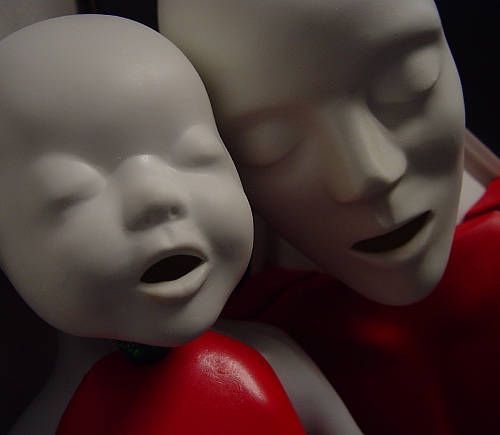
cpr mother & child by zen Sutherland

Categories
Opinion Reflection

Dear Doctor

Dear Doctor,

I hear you when you speak of that girl in the hospital ward. The ‘overdose in bed three.’ I hear the harsh judgements sneering through your lips, the sighs and the mutterings of ‘what a waste of life.’ As a student, I am all too privy to such remarks made in the corners of these hospitals. I have fallen upon them again and again.

Please do not be so quick to stereotype. Do you know how it feels to have your mind infiltrated by such intense emotions of self-hatred and loathing? Do you know how lonely it can be to lie curled within the four walls of your bedroom, just you and your mind waged in an eternal battle?

Yes, I realise how cliché that sounds. I know you have just come back from speaking to a young gentleman who has been paralysed. I know you have spent your years dealing with the terminally ill, holding the hands of the dying as you speak to a family overwhelmed with grief.

How can a teenage girl compare? Yes, she may appear to have everything. But aren’t humans’ more than just molecules and proteins? Don’t we all have dreams and desires of our own? What is it that makes us human? Our relationships, our goals, our ability to connect with one another. How would you feel to have these vital components torn away from you? No, it is not the equivalent of the man next door whose wife has just died. But that does not mean that she does not deserve your attention and your respect. You may have lived through the battles of the emergency department, the grievances of the families, the diagnosis’s of tumours to children barely in their teens. But she has not.

Look at her, sitting on the bed, her head bent over her lightly covered shoulders. Look at her, fingers fidgeting with the bed sheets, unsure what to touch or who to speak to. She is scared. She is in a new place. There are bright lights glaring down upon her, strangers rushing past her, eerie machines beeping at her. And inside her mind, the battle is continuing to rage. Look at the scars glistening upon her skin as she cowers in a blanket, trying to hide her wounds from the world. Aren’t those battle scars as well?

Imagine how it feels to have a mass of doctors suddenly gathering around your bed, all looking upon you with pity. Do you realise how exposed it can feel to be probed with such personal questions? The intricacies of your mind held open for a stranger to dissect.

‘Do you have any plans to end your life?
What methods have you thought about?’

She needs a friend. She needs someone to take her hand and ask her how she is feeling. Forget the Fluoxetine, the charts filled with drug doses. It is not a prescription pad that she needs. She needs a human touch.

I know she cannot hear you as you make your curt remarks. I know you will walk towards her filled with smiles and concerning eyes. I have seen that gentle handshake that you have mastered over the years, the slight pitch in your voice as you gently prod your questions. There is no doubt that you have a bedside manner. And within one minute you are gone, the prescription chart left upon her bed for the nurse to dispatch the drugs. The girl still sits there, her posture unchanged, unsure if the conversation had taken place.

I know you are busy. I know you have a team of doctors to command, a list of patients to see, a hospital to run. Yes, I know you have sat through hours of exams, studied well into countless nights to get to where you are standing now. I have respect for the devotion you have put into your career.

But please do not forget that young girl. Please remember to hold your tongue the next time you see a teenage overdose. Yes, to you it is another statistic to keep record of, another prescription to fill out. But to that teen lying in the corner, throwing up the contents of her stomach? She wanted to die just two hours ago. Do you know how that feels? To feel hopelessness so deep, that the future is but one long tunnel, filled with uncertainties and fear. Do you know how it feels to hold a bottle of pills in your hand, staring longingly at the container, at the hope it contains inside?

Yes, she will be fine. She will be discharged within a few hours, another free bed to fill. But please, the next time you come across such despair in someone’s eyes, do just one thing; sit down on the bed beside them, and ask them how they are. Look into their eyes as they speak, and let your whole being be encapsulated by their story. Let them open up to you, with patience and empathy. If someone had done this to them before, do you think they would be in this position now?

Please, the next time you blurt out another cutting remark, a sneer at the cries for attention. Look across the room at your patient sitting there. Look at their posture, their body language, their eyes. Does this look like the sort of person who needs your judgement? Or does this look like someone who needs a listening ear?


Featured image:
Writing with Ink by urbanworkbench

Categories
General Lifestyle Opinion

I Will Not Try To Fix You

Disability—The Oxford dictionary defines disability as “a physical or mental condition that limits a person’s movements, senses, or activities.”

Although some disabled people have medical ailments, the two conditions are not synonymous. While a disabled person might require medical attention, disability is defined by social barriers, not pathophysiology.

It is an umbrella term and includes impairments and activity limitations. Impairment is a problem in the body’s structure or function; activity limitation is a difficulty encountered by an individual in executing a task or action.

Disability is a complex phenomenon, reflecting the interaction between features of a person’s body and features of the society in which he or she lives. Overcoming the difficulties faced by people with disabilities requires interventions to remove environmental and social barriers.

Those with disabilities have capacities for motor, sensory, and cognitive tasks that differ from the “norm.” Each individual has different qualities and capabilities, but defining this “norm” is practically impossible. Society can create barriers that do not allow an individual to develop to his or her full potential. Likewise, society can remove disabling barriers. A wheelchair user cannot get into a building with steps at the entrance, but a ramp or a lift completely removes that particular barrier. Seated before a ramp, is an individual in a wheelchair disabled?

An individual with Down Syndrome can hold meaningful employment if provided with appropriate support. Down Syndrome itself is not a disability; it is a medical condition. An individual will experience specific barriers that emerge because of the relationship between impairments and societal barriers. The presence or absence of medical conditions can cause one individual to vary from another in terms of motor, sensory, and cognitive function, but an individual is only disabled when appropriate accommodations are not made.

As a societal construct, disability fluctuates in different settings. In a completely adapted home, or with adequate assistance, an individual might have no disability at all; while, in an environment without assistance, this person might become disabled.

Physicians treat medical conditions and, as such, they tend to focus on the “limitations” and “abnormalities” associated with disabled people’s conditions; heart disease, for example, in those with Down syndrome. Disabilities, however, are not medical conditions in and of themselves. The role of a physician is to assess the health of a disabled person, provide treatment for associated symptoms, and anticipate as well as prevent future complications. This can greatly improve a disabled person’s quality of life, and, in some cases, even prolong life. Fixing the disability is not in the doctor’s job description.

How do you, as a medical student, perceive disabled people? Do you feel as if medicine failed them by not being able to “cure” them?

Disability is not tragic; it is tragic that society doesn’t appreciate the abilities of disabled individuals.

Disabled people often report being patronized by medical staff, being described as having “a fate worse than death”, or carrying an “unhealthy gene”, as well as “suffering” from a condition. Consider the power of language. Great advances have been made in both medicine and technology, and even more in the public’s perception and understanding of disability.

Disabled people have more freedom, independence, and equality than they did previously, but there is further work to be done. Rather than making a distinction between disabled or not, physicians should be leaders in embracing diversity and independent living for all of their patients, including disabled people.

Dr. Chris Smith – a disabled associate professor of communication arts and sciences at Calvin College, USA – recently spoke about perceptions towards disabled people, stating that “the ultimate test of living in community is found in our willingness to change our minds about one another.”

People with disabilities have the same health needs as non-disabled people – for immunizations, cancer screening etc. They may experience a narrower margin of health, due to both poverty and social exclusion, and also because they may be vulnerable to secondary conditions. Evidence suggests that disabled people face barriers in accessing the health and rehabilitation services they need in many settings.

As future physicians, it is important to view disabled patients equally to all others, whilst acknowledging the barriers they face. When approaching your disabled patients, do not define them by their impairment, do not pity them, do not try to “fix” them; rather, appreciate their abilities, recognize them for their values and behaviors, support them to achieve their aspirations, and, most importantly, listen to them.

Featured image:
disability by Abhijit Bhaduri

Categories
General Opinion

Be Kind to Your Med Techs (And Everybody Else)

Before I was accepted to medical school, I was a medical technologist. This basically means I worked in the laboratory at a large hospital. I was playing one of the “behind the scenes” roles that many of us probably played while we were getting the medical experience required to get into med school.

Med techs are the people who run the CBC’s, comprehensive metabolic panels, amylases, lipases, pregnancy tests, urinalyses, cross-matches, etc. etc. ordered by the doctors. Usually, I was in direct contact with the nurses and doctors, who either called my line directly or came down to the lab if something needed to be clarified or a specimen needed to be delivered.

I’ll tell you right now the difference between a good day and a bad day at work. Two factors contributed: how swamped we were with patient samples, and how good of a mood the doctors/nurses were in (I say “doctors/nurses” because the moods of these two groups of people usually parallel each other quite well on any given day, and often the doctors communicate to other staff through nurses).

Of course, no matter what part of healthcare you work in, there are going to be days when the patients just don’t stop coming and you can’t catch a break. That’s unavoidable; the only thing you can do then is pray to the all-powerful but oft malicious gods of healthcare for some sort of respite.

But the second factor is something you and I can do something about as future doctors. I don’t know what your feelings are on “Reaganomics” (a.k.a. “trickle-down economics”), but I can tell you for sure that “trickle-down attitude” is most definitely a thing. If a doctor has an ungrateful, self-important, entitled, or simply negative attitude, then all of the people that doctor works with will absorb that negative energy.

As a med tech, I absorbed plenty of this negativity while working long night shifts. I’ve been yelled at for not having the test results of an order that was never put in. I’ve been hassled unnecessarily for CSF WBC counts before the tubes had even gotten to the lab. I’ve been berated by frazzled nurses because I needed them to get me a redraw due to hemolysis. Every time this happened, it shifted my stress and discontentedness level up a notch. It only takes a few notches to ruin an entire shift,and a few bad shifts in a row can cause burnout to quickly sink in. Work becomes death. Getting out of bed before a shift becomes nigh impossible. It gets more and more difficult to be fully engaged at work, which increases the likelihood of errors.

It’s not just med techs, either. The same thing happens to all allied health professionals. Phlebotomists, X-ray techs, radiology techs, nurses, CNA’s, orderlies, and even janitorial staff are affected by how the doctors in the facility are acting. Whether we like it or not, being a doctor means being a leader. So please, I beg you: be kind to your med techs (and everyone else).


Featured image:
Work Hard And Be Kind Wallpaper by Clay Larsen