Categories
General Lifestyle Reflection

On Professionalism

I solemnly pledge to consecrate my life to the service of humanity;
I will give to my teachers the respect and gratitude that is their due;
I will practice my profession with conscience and dignity;
The health of my patient will be my first consideration;
I will respect the secrets that are confided in me, even after the patient has died;
I will maintain by all the means in my power, the honor and the noble traditions of the medical profession;
My colleagues will be my sisters and brothers;
I will not permit considerations of age, disease or disability, creed, ethnic origin, gender, nationality, political affiliation, race, sexual orientation, social standing or any other factor to intervene between my duty and my patient;
I will maintain the utmost respect for human life;
I will not use my medical knowledge to violate human rights and civil liberties, even under threat;
I make these promises solemnly, freely and upon my honor.

-The Declaration of Geneva

My white coat ceremony changed many things for me, most notably the responsibilities I would have moving forward. I recited the Declaration of Geneva, along with my fellow colleagues. The weight of the term “colleague” laid heavily on me; those who were once classmates were now colleagues. Classmates to colleagues, such a drastic, but intentional elevation in word choice. Many things are expected of me as a medical student, but one of the top priorities is the demand to carry myself as a professional.

Professionalism can mean treating others with respect, upholding a certain academic standard, or leaving personal issues in a personal space. Cultivating a professional attitude isn’t always easy. I have screwed this up several times, like disrupting class through meaningless chatter or allowing my personal dilemmas seep into my professional work. Regardless of the mistake, I always try to learn from my shortcomings. I believe that the majority of medical students strive to act as a professional when encountering difficulty in medical school.

Recently, I wondered how this professional attitude so quickly fades when we meet colleagues of different disciplines. Although my experience is mainly anecdotal, I think we have all heard of negative interactions between physicians and nurses, physicians and physician assistants, and so on. In medical school, some of us have participated in attempts to get medical and other professional students to interact at an earlier point in their training. I personally interacted with both nursing and physical therapy students during my first year of medical school. Although I thought the reasoning behind this choice was good, it didn’t work out exactly as planned. The medical students overheard a few nursing students talking negatively about the medical student cohort. Feelings got hurt and from there the overall atmosphere worsened.

Why did this happen? I believe we forget to act professionally when outside of our immediate, comfortable setting. We know a professional attitude is demanded between colleagues within our medical school, but we don’t often carry it over to other disciplines. Yes, you could argue that interacting with other disciplines at an early career stage helps break down some common stereotypes and issues, but will early interaction really solve everything? I’m skeptical.

I believe a constant effort must be maintained throughout our training; as I stated before, a professional attitude is not easily mastered. Regardless of one’s career stage, working harder at cultivating a professional demeanor among those in our field as well as among those in others will foster teamwork within medicine. If we, as medical professionals, hold ourselves to a certain standard, then catty arguments or negative comments will never be made, because we constantly demand higher of ourselves. Hopefully, by being more self-aware and practicing on a daily basis, we will create a professional attitude that won’t break down so easily when confronted with the newness of the ever-growing medical field.

Featured image:
teamwork staffetta by Luigi Mengato

Categories
Emotion General Lifestyle

Thank you for being a patient: A reflection on gratitude and its place in medicine.

I was walking through Target a few days ago when I noticed a banner had been discarded in a pile of clearance items. “Give Thanks,” it read. Assuming that the banner was a Thanksgiving leftover, I quickly moved along to a different aisle. Later that day, I started thinking about that banner, and its lowly place in the clearance bin. Gratitude has become a seasonal commodity. From November to mid-December, we’re reminded to give thanks, be grateful, and celebrate others through food and gifts. Unfortunately, the half-off banner serves as a reminder that the notion of gratitude can become “out-of-season” as we turn the page on the calendar.

One of my personal rules for daily life is to live each and every day with a grateful heart. I think this idea comes from having practiced yoga for more than a decade, where gratitude is a foundational tenant. At the end of almost every yoga class I have ever attended, both teacher and students bow their heads and say, “‘Namaste.” Namaste is a Sanskrit word which, loosely translated, means ‘the goodness in me honors the goodness in you.’ For me, this sacrosanct moment at the end of class is what makes yoga different from any other activity I have engaged in. As the instructor thanks me for allowing him or her to share the practice of yoga, I can both thank the instructor, as well as take a moment to thank myself for taking the time to do something good for myself. In contrasting my own personal attitude of gratitude with the Hallmark-esque notion that gratitude is a seasonal commodity, I began to wonder what place gratitude might have in the practice of medicine.

In my brief time as a student doctor, I have witnessed patients struggling with complex challenges that I never even considered prior to medical school. It’s true that many patients will visit us when they have a stuffy nose or an itchy rash, but just as important are patients who see us when they are struggling to quit addictions, deal with a major life change, or manage their own healthcare on a limited budget. It is these patients, especially, with whom it is imperative that we as healthcare providers work with to build trusting relationships. I believe that the first step of building such a relationship is an expression of gratitude. I want to thank patients for being brave, for reaching out, and for asking to get help. I want to tell them how very grateful I am that they have respected themselves enough to value their health, and for trusting me, or one of my colleagues, to help them make very important and potentially challenging life changes. Essentially, I want to say Namaste.

As we leave behind the snow-dusted magic of the holiday season, we should not let gratitude melt away like a snowman. Gratitude should be a part of our daily lives and a cornerstone of our medical practice. It only takes a moment to let our patients know how thankful we are for being part of their journey to wellness, but I predict that the impact it has on our physician-patient relationships will be long lasting.


Featured image:
The Stethoscope by Alex Proimos

Categories
General Opinion Public Health

The Policy on Policy: Why Medical Students Need to Learn About Healthcare

A 27-year-old woman is woken up by a sharp, stabbing pain in her lower right abdominal quadrant. She feels feverish, nauseous and weak. If you’re a medical student, you want to get a thorough history and test for a positive Murphy’s sign or rebound tenderness. You’re thinking it sounds like appendicitis. If you’re a doctor, you want to examine the patient and consider an appendectomy as a treatment option. You’re thinking of all the cases of appendicitis you’ve seen, and how well your education prepared you to diagnose and treat this condition. Except, none of that happens if this patient is never seen by a doctor. None of that happens if this patient instead, uninsured and unemployed and alone, decides to wait it out because it seems like her only option. None of that training in diagnosis and treatment makes any difference if that patient doesn’t have access to the care that could have saved her life.

The issue of healthcare policy is complicated, and oftentimes controversial, especially when presented in the framework of a political debate. As healthcare providers, however, the issue becomes less of a political one and more of an ethical one. The reported number of uninsured Americans ranges from 29 million1 to 45 million2, with tens of thousands of preventable deaths caused every year by lack of access to care3. That could mean a young woman dying of sepsis when her appendix ruptures, or an inmate asking a parole board to keep her in prison so she can continue to receive cancer treatment, or any number of similarly startling stories being told every day, across the country, about people who we know how to treat if we’re just given the chance.

A good resource for information on healthcare policy is the Commonwealth Fund’s 2014 analysis of our healthcare system compared to 11 other industrialized countries.3 The U.S. spends the most on healthcare per capita each year ($8,745), yet has the highest rate of potentially preventable deaths (96 per 100,000 people) and the highest infant mortality rate (6.1 deaths per 1,000 live births). Given the state of our broken system, it seems strange that medical students are essentially unaware of these issues until they enter the working world. Why are we not exposed to the struggles of healthcare policy in medical school? While it is certainly true that students are already saturated with information, it seems there are few subjects more universally applicable to graduates than learning about the system they will be working in.

To get an expert’s thoughts on the matter, I spoke with T.R. Reid, a leading author and journalist in the field of health policy. His bestselling book, The Healing of America, explores foreign models of healthcare and how we can learn from those systems to reform our policies at home. He currently serves as the chairman of the Colorado Foundation for Universal Health Care, which has recently placed an amendment on the 2016 ballot that would create the first state-initiated universal healthcare system by opting out of the Affordable Care Act.


Why do you think it is important to teach health policy in medical school?

The United States has the most complicated, the most inefficient, and the least equitable healthcare system of any rich country. Doctors are graduating into it and they don’t know what a mess it is… I think we need to prepare doctors for what they’re going to face. The second reason is, as a country, we need to fix our healthcare system. It’s ridiculously expensive, it leaves 33 million people uninsured, and the impetus to change has to come from doctors.

Health policy can be very broadly defined. What is the most important element of policy to incorporate into medical education?

The most important point is that a decent, ethical society should provide healthcare for everyone who needs it… In almost all other rich countries, healthcare is considered a basic human right and if you think about what a human right means, a human right is something the government is obliged to provide for you. You have a right to an education. You have a right to vote. If you get charged with a crime, you have a right to a fair jury, a fair judge, and a defense lawyer. We provide that because we’ve decided those are basic rights that every American ought to have. All the other countries say that’s also true for healthcare. If you’re sick and need medical care, you should get it and we have to provide it. The United States has never made that commitment… If you don’t make the basic moral commitment to provide healthcare for everybody then you end up with the American healthcare system, where some people get the world’s finest care in the world’s finest hospitals with no waiting, and 33 million people barely get in the door until they’re sick enough to go to the Emergency Room.

What changes do you foresee in the next ten years, or how do you think the current healthcare landscape will change by the time current medical students are actually in practice?

In the first place, I’m absolutely certain that we will get to universal coverage in our country and I believe we’re going to do it at a much lower cost than what we’re spending now. I’m quite optimistic that we’re going to improve our system. I think that’s going to happen… I don’t think we’re going to get there nationally. I’m convinced the way we’re going to get there is state-by-state…That’s how we got to interracial marriage, that’s how we got to same sex marriage, that’s how we got to female suffrage, that’s how we got free public education. It all starts in two or three states, the rest of the country sees that it works, and says ‘let’s do that’… The reason I’m confident in this is that we’re about to do it in Colorado. We got the initiative on the 2016 ballot. When people see a good idea working in some states, they copy it. Colorado is going to prove to the country that this can work, I hope.

As you’ve been campaigning in Colorado for universal healthcare, have you noticed that misconceptions about socialized medicine are still pervasive in public opinion? Does this influence people’s level of support or questions they raise?

The notion of limited choice and long waiting times in Canada is an issue for us…Our critics say ‘they’re going to bring Canadian medicine to the United States.’ Well, Canada covers everybody, they spend half as much as we do on healthcare, they have significantly better population health, they live longer, they have lower rates of neonatal mortality. But they still keep people waiting. I think it’s wrong to say we’re going to put the Canadian system here but that is a powerful argument…My answer is in fact Australia and South Korea have exactly the same model and they have shorter waiting times and broader choice than the United States.

In your book you examine foreign models of healthcare in detail and you described in a 2009 article in the Washington Post several ‘myths’ the American public believed about health care abroad4. Do you think American misconceptions have changed at all since the passage of the Affordable Care Act?

I think Americans still don’t like socialized medicine. Even if they don’t know what it is, they know it’s bad. That’s still true. Many Americans think other countries have limited choice and long waiting times, which is true in some countries, but many countries have broader choice and no other country has the kind of in-network, out-network business that our insurance companies have created. No other country does that…American companies and device makers say government intervention stifles innovation. I think there’s no question that in other countries regulations drive innovation. Cost controls drive innovation because they have to innovate to make their products cheaper.

If medical students are interested in health policy, how can they get involved and learn more, especially as things change?

The best way is what several medical schools have done, which is to put into the curriculum a course on health policy… I say this to every medical school dean I ever meet, ‘you ought to have a course on health policy’ and many of them say ‘I wish I could do that’ or ‘I’m thinking about it’ but some say ‘I’ve got four years to teach the entire human body and everything that can go wrong with it, don’t get me into that mess. It’s beyond our jurisdiction.’

Final thoughts?

Everybody who is sick should have access to healthcare in the world’s richest country. We have to fix this system and your generation of young doctors is going to be a powerful force for change.


Sources

  1. CDC National Health Interview Survey Early Release (2015)
  2. Institute of Medicine, National Academy of Sciences (2009)
  3. Commonwealth Fund (2014)
  4. Reid, T.R. “Five Myths About Health Care in the Rest of the World” (2009)

Featured image:
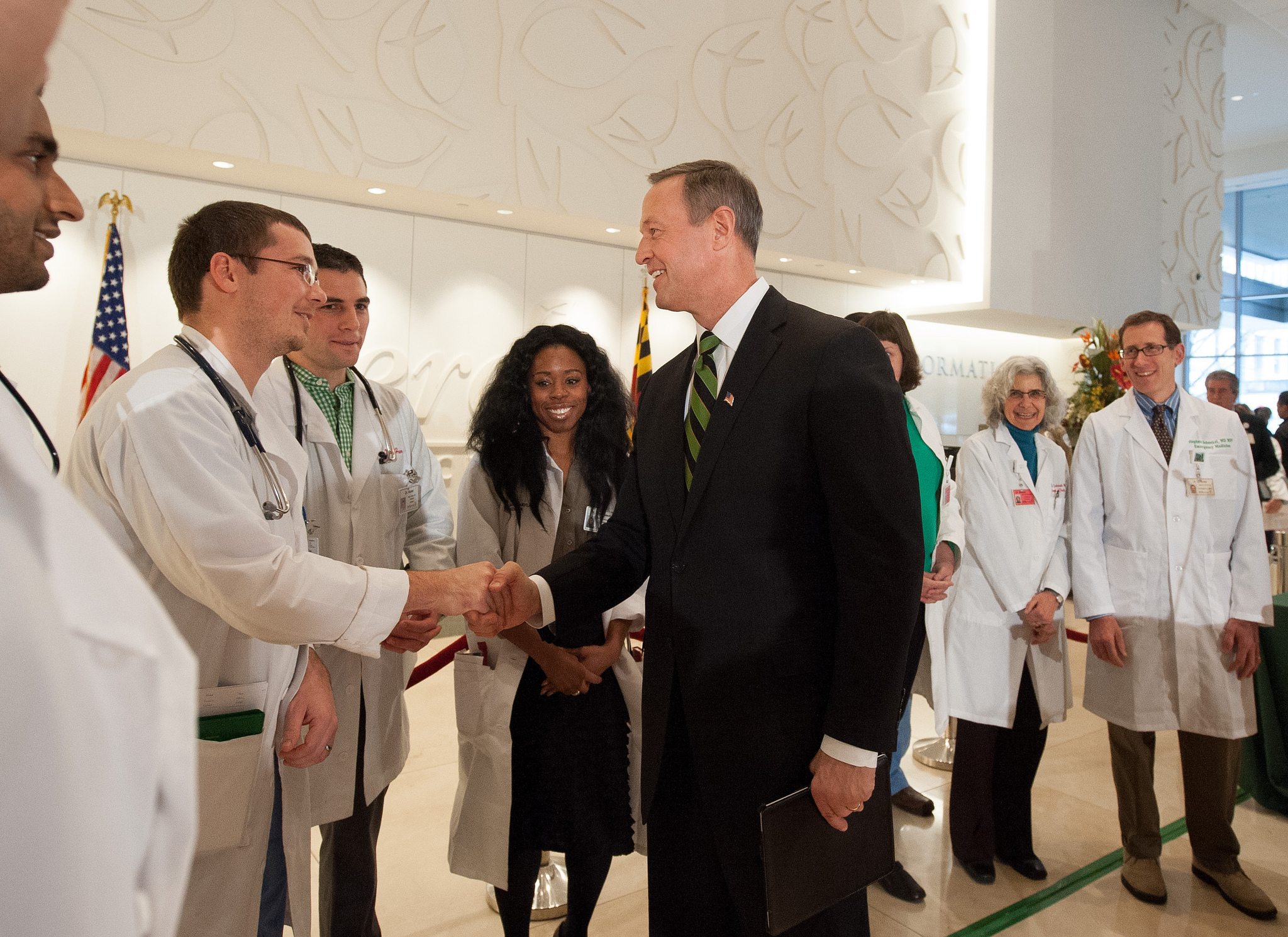
Healthcare Reform Initiative Announcement by Maryland GovPics

Categories
Clinical Innovation Opinion Technology

The 21st century Frankenstein Revival

Background

Human head transplantation (the head anastomosis venture project – HEAVEN) has been for a long time merely a neurosurgical and medical theoretical concept that did not enjoy much attention among the medical community. However, in recent times, there have been voices trying to revitalize this question. Italian neurosurgeon, Dr. Sergio Canavero, is one of the most prominent protagonists in this regard. The idea behind this concept is to help people who have severe physical disabilities (such as neuromuscular dystrophies or tetraplegia), but have an intact head and brain. There is a vast array of medical, ethical and physiological questions and obstacles that are ahead of this endeavor. Despite a lot of skepticism, Dr. Canavero has laid out a couple of transplantation protocols he believes can get the job done. In these protocols, he tried to answer and address every possible challenge that is expected to occur during this delicate and immensely complex procedure. The main purpose of this short article is to analyze the crucial components of his protocols and try to determine if they have any rational scientific relevance and ethical/medical justification.

Why do it?

Before you chop someone’s head off, you’d better have some good reasons, right? This is fundamental. In medicine, conditions are treated if the potential benefits of the treatment outweigh the potential risks. For each particular disease state, there has to be a justified medical indication and logical/rational foundation behind treatment. This is the sine qua non of every medical intervention. You have to bear in mind that anything you do has to lead, ultimatively, to a better quality of life. In that regard, I doubt that this procedure would accomplish that goal  at the present moment and it principally acts as an academic exercise, albeit lethal one. I generally do not support doing things just for the sake of doing them, especially in medicine where such behavior can be costly and unethical. Sure, you can become hero of the day and act in a „told you so“ manner if things go your way, but what if they don’t?

Even if you theoretically manage to overcome the technical and technological barriers that are inherent to this procedure, the question still remains: will this person experience improved quality of life? Dr. Canavero’s logic is that people who suffer from severe and/or progressive neurological conditions, e.g. muscular dystrophy or quadriplegia, could potentially benefit from this procedure. How? Well, if your peripheral nervous system does not work but you do have preserved cognitive functions (brain and brain stem), then you would be able to theoretically join healthy brain with healthy body of a deceased donor. The idea is that this body would be donated by those people who were clinically confirmed as brain-dead due to, for example, severe head trauma, but still had a fully functional body to offer. On the other hand, the „recipient“ of the body would give an informed consent that he/she is willing to undergo a body transplantation procedure, regardless of a high risk that this procedure could end in death. In  popular jargon – „people who have nothing to lose“ are the group of people that are targeted as candidates for this procedure in Dr. Canavero’s opinion.

Feasability

Dr. Canavero laid out 2 operative protocols that provide a theoretical framework for this type of experiment. One of them is called HEAVEN1 and addresses head-to-body anastomosis, while the other is named GEMINI2 and features a spine fusion protocol. The physiological obstacles that Dr. Canavero needs to overcome in order to succeed in this endeavour are tremendous, but I will try to briefly tackle the 4 major ones.

  1. Brain perfusion problems – in only a few minutes post-decapitation, it is expected that neurons will be exposed to a hypoperfusive state, ultimately resulting in brain tissue death.
  2. Fusion of two ends of the spinal tract – this has never been done before in humans.
  3. Reparation and regeneration of neuronal connections and spinal tracts/projections within the CNS and the restoration of the motor and sensory functionality.
  4. Post-transplantation complications – this includes potential tissue transplant rejection reactions that are immunologically mediated.

Should we do it?

At this point, we just do not know enough about the proposed procedures. Some of them have been performed on animal models and some were done only in a Petri dish. Results obtained through animal experiments and in-vitro molecular models might not correlate (and most commonly they don’t) with human physiology. In the early 1970s, American neurosurgeon Robert Joseph White performed the first monkey head transplantation onto a body of another monkey3. The recipient monkey lived for 8 days, and there were no surgical complications encountered. However, the monkey was quadriplegic since the surgical protocol did not address the problem of spinal fusion4. This resulted in a monkey who was completely paralyzed from the neck down, but who could still eat and follow objects with its eyes since the cranial nerves, brain stem and other brain structures were intact and perfused by the circulatory system of the donor’s body. Moreover, it was reported that the transplanted head could hear sounds and smell/taste food. However, immunologic reactions in the form of graft rejection ensued and the monkey died from them.

In this regard, Canavero’s protocol is essentially just a „compilation“ of biotech solutions for a wide spectrum of problems in medicine. Successful translation of any of these theoretical concepts into the clinical arena would be a giant leap in medicine. However, strictly lege artis, there is no strong evidence that these techniques will be successfull at all. Patients undergoing this procedure could be left in much more catastrophic and miserable conditions than those endured prior the procedure. Transplantation of a human head onto a new human body should not be perceived merely as transplanting a flower from one pot to another. We do not know how the brain would interact with the new neurochemical and biochemical milleu of the body that it just received. How would the brain integrate and process new signals arriving from the newly discovered periphery? How would the brain process perception and information coming from these new muscles and other body structures? These problems were emphasized in a recent letter written by Dr. Cartolovni and Dr. Spagnolo, published in the Surgical Neurology International journal. In this letter, the authors argue that Canavero’s perception of the human body functional framework is strictly mechanistic, and largely disregards the importance of body self-cognition, which plays a real part in the formation of human self.

Additionally, they state that head transplant procedures raise significant social and ethical problems in terms of organ donation. A leading medical ethicist, Dr. Arthur Caplan from NYU’s Langone Medical Center, states that the implications of this procedure are far-reaching and extremely dangerous from the ethical and medical standpoint. Similarly, Dr. Jerry Silver from Case Western University states that he perceives human transplants as a barbaric method at this point in time. Moreover, he said that he does not expect such procedures to be successfully performed for at least the next hundred years.

In my opinon, we are not ready for this type of procedure, at least in light of the most recent evidence-based medicine. Even if the tremendous technical difficulties could be surpassed, it still remains a question how the brain (center) would integrate with the periphery. At this point, I assume that the brain would be overwhelmed with the amount of input that it would receive from the periphery, ultimately leading the transplant recipient to derangement, pain and insanity. The prospects of this experiment are simply grim and unfavorable, with our present knowledge and, therefore, I would advocate for its halt.

References

  1. Canavero S. HEAVEN: The head anastomosis venture Project outline for the first human head transplantation with spinal linkage (GEMINI). Surg Neurol Int. 2013;4(2):S335-42.
  2. Canavero S. The „Gemini“ spinal cord fusion protocol: Reloaded. Surg Neurol Int. 2015;6:18.
  3. White RJ, Wolin LR, Massopust LC Jr, Taslitz N, Verdura J. Primate cephalic transplantation: Neurogenic separation, vascular association. Transplant Proc. 1971;3:602-4.
  4. White RJ. Hypothermia preservation and transplantation of brain. Resuscitation. 1975;4:197-210.
  5. Čartolovni A, Spagnolo AG. Ethical considerations regarding head transplantation. Surg Neurol Int. 2015;6:103.

Featured image:
Floating head, neck redone by TaylorHerring

Categories
Lifestyle Public Health Reflection

Can social justice replace medicine?

‘Social injustice is killing people on a grand scale.’
– 
Marmot (2)

Despite the leaps and bounds that science has made over the past century, with all its shiny new techno-gadgets and ever-advancing drugs, the primary reason for our good health today lies in something much less sexy: vaccinations, clean water and sanitation- changes that we take for granted.

We live in a world that is changing every second. Bigger cars, faster phones, all the information at our beck and call: from the education that is offered to our kids, to the healthcare that is offered to our decaying bodies.

The hospital of today is a far cry from the one half a century ago. The minute you walk into a hospital your senses go haywire. You have stepped into the world of the future. The full scale of our technological advancement greets you within these four walls. The bizarre beeping overwhelms your ear canals, screaming into your brain as the alarms screech constantly in the background. The reams of wires trail along the floor of the wards, wrapping themselves around their patients like Christmas presents, offering nourishment to bodies overwhelmed with disease. We are living in the world of machines, and it is upon them that we place our hopes of immortality.

Everyone knows of the success story of Science. We are bombarded by the media, informing us of the next new cancer drug, the gene unlocked that will solve all our problems. What we forget is that we are not merely organisms residing within a vacuum. Nor are we machines ourselves, whose very pores can be zapped with electrodes, transforming our very identity. We are human beings living and breathing on this planet Earth. We digest the world around us. We are not merely scientists of the world within ourselves, of the DNA that twirls inside our cells. We are also manufacturers of the world around us; of the houses we live in, the food we eat and the lives we live. Perhaps the answer to a better, healthier life lies here instead.

But, is this the role of the doctor? Shouldn’t we leave this task to the politicians, to those who have the power to make these important decisions? Isn’t the duty of the doctor ultimately towards her patient, towards that individual who is sitting opposite, rather than to humanity as a whole? I believe Virchow, the German Doctor, described it best when he said:

‘Medicine is a social science and politics is nothing else but medicine on a large scale.’ (1)

Of course there are diseases that can only be fixed by looking inside our own bodies – diseases that come from within, that cannot be changed by any amount of control over one’s environment; Huntington’s Disease is one example.

But if you take a quick glance at the causes of mortality in both the USA and the UK, you will find that the majority of these diseases are significantly related to one’s lifestyle. The top leading cause of death in both the UK (3) and USA (4) is Heart Disease, which has very strong links with lifestyle, including smoking (5), a high-fat diet (6) and poor exercise (7).

In the past, when tuberculosis and polio wreaked havoc upon the population, the role of the doctor was to prescribe medication; to act as the priest who offered the gift of life through his knowledge and wisdom. Yet now, this power lies upon the patient. Our lives are no longer cut short by the plague, but by the pathways we choose to make while we are still alive.

The role of the doctor continues to change along with society. The doctor is the servant of the public. As our ailments in life continue to revolve around these pathways that we choose to take, so must the doctor focus her gaze away from the leaves of her prescription pad and begin to question the foundations of such paths; the reasons behind these choices, the thoughts and actions that lead a person towards their own destruction.

It is not enough to simply inform someone by saying ‘you need to do more exercise.’ Anyone who has made a New Year’s Resolution to do so will understand this. Even in the UK, a country where healthcare is free, one’s health is still dependent upon how much one earns. The richer you are, the longer you will live (8). How is it that in this day and age, this is still the case? Healthcare is a right. And as doctors, it is our duty to ensure this edict is followed. The politician may sit upon his throne and hand down his judgments, but it is the healthcare professional who is in contact day in and day out with the most vulnerable and marginalized.

Indeed, there are some excellent examples of attempts to try and balance this injustice within our society; free school meals in the UK which lead to improved nutrition in children (9) and the ban on public smoking to try and reduce passive smoking (10) are just two examples. These changes in legislation lead to the question: how much control should our government have over our own decisions towards our health? If someone wishes to smoke and drink all their life, then that is their right. Autonomy is one of the principles the doctor must follow; today’s healthcare system revolves around the patient and her choices. No longer does the doctor hold authority over the patient’s body. Yet this does not mean we cannot improve the world around us; we are still capable of building a healthier society, a society in which we will not only live longer, but be happier in as well. Free education and housing are two examples of societal changes that do not necessarily impose upon our personal rights, yet can lead to healthier childhoods and happier families.

Let’s say you are a single working mother – you are only just reaching your rent each month. You can only work part-time because you need to pick up your son from nursery every afternoon. You have no family who can look after him. This leaves little money for food, so you mainly feed your son. His diet is very poor, not only because of the little you can afford, but you yourself have never learned how to cook. Your own childhood consisted of fast food and the occasional apple or banana handed to you by a father who you rarely saw. You live in a very deprived neighbourhood. You cannot afford heating, and your son is constantly sniffling and coughing, hiding under his hole-infested jumper that you managed to grab from a local charity shop. You are isolated – your husband has left you, you have no one to talk to and your neighbours scare you. When you’re not working, you stay at home for your own safety, and ultimately for your son’s. You try to remain happy for your son. You want the best for him. But you are scared. You are scared for the future, you are scared about your next paycheck, you are scared about being burgled, being mugged, having your son taken away from you. You are scared about becoming a failure, of disappointing your son. You start drinking a glass of whiskey each evening to help you calm these anxieties. You gradually spend more and more money on alcohol, an attempt to grasp control of these spiraling criticisms that constantly call into question your ability to be a mother. But this does not always help. As the days turn to weeks, your thoughts begin to gain a voice of their own, almost screaming through your ears; you are a bad mother. A failure. Maybe you’d be better off somewhere else. Your son would have a better life without you. He wouldn’t have such an awful mother.
You eye the packet of paracetamol lying on the table. What would happen if you weren’t here? Wouldn’t your son lead a happier life? He would no longer have this dark mark tainting his existence. He might even be happy… What do you do?

In various points throughout this story, one could take out their pen and draw a mark where someone could have intervened. Not necessarily to offer medication or money, but things such as social support; someone to help look after the son in the afternoons, advice on how to apply for jobs, or housing in a more residential area. A helpful hand to hold on to during the darkest periods, a pat on the back, a shoulder to cry on, an ear to listen. How different would this story be if these simple interventions had been available?

It is very easy for us, the next generation, to caress our mobile phones and laptops that fit in both hands. It is easy to see the world as decaying pieces of rubble to improve, gadgets to insert, wires to wrap around and transform. No doubt this way of thinking has changed our healthcare; it has saved many lives. But we must never forget that humanity is not a machine itself. It cannot be controlled by our remote controls and our drugs; we must look further afield in order to truly appreciate the complexity of the human being. When we look at the human body, at a life that has been lived hard and is ending early, we see not genes that have played havoc, but decades of depression, underlying abuse, a cigarette to cope, a bottle of beer to forget. Addressing these problems is a task that requires us to go beyond our scientific skills. It requires us to understand the emotional lives of our patients.

“How wonderful it is that nobody need wait a single moment before starting to improve the world.” 
– Anne Frank

References

  1. (with acknowledgements to Siân Anis), J. R. A. (2006). Virchow misquoted, part‐quoted, and the real McCoy. Journal of Epidemiology and Community Health60(8), 671.
  2. World Health Organisation. 2008. Inequities are killing people on grand scale, reports WHO’s Commission [Online[. Available at: http://www.who.int/mediacentre/news/releases/2008/pr29/en/
  3. Office for National Statistics. 2013. What are the top causes of death by age and gender? [Online]. Available at: http://www.ons.gov.uk/ons/rel/vsob1/mortality-statistics–deaths-registered-in-england-and-wales–series-dr-/2012/sty-causes-of-death.html [Accessed: 13th October 2015]
  4. Centers for Disease Control and Prevention. 2015. Leading Causes of Death [Online]. Available at: http://www.cdc.gov/nchs/fastats/leading-causes-of-death.htm [Accessed: 13th October 2015]
  5. British Heart Foundation. Smoking [Online]. Available at: https://www.bhf.org.uk/heart-health/risk-factors/smoking [Accessed: 13th October 2015]
  6. World Heart Federation. Diet [Online]. Available at: http://www.world-heart-federation.org/cardiovascular-health/cardiovascular-disease-risk-factors/diet/ [Accessed: 13th October 2015]
  7. Myers, J. 2003. Exercise and Cardiovascular Health. 107:e2-e5
  8. Royal College of Nursing. 2012. Health Inequalities and the Social Determinants of Health. London: Royal College of Nursing
  9. BBC News. 2013. All infants in England to get free school lunches [Online]. Available at: http://www.bbc.co.uk/news/uk-politics-24132416 [Accessed: 13th October 2015]
  10. Bauld, L. 2011. The Impact of Smokefree Legislation in England: Evidence Review. England: Department of Health

Featured image:
Human Genome by Richard Ricciardi
 

Categories
General Lifestyle

Medical Grind

It’s 6 a.m. and your hand doesn’t quite make it to the alarm clock before the voices in your head start telling you it’s too early, too dark, and too cozy to get out of a bed.

Another voice says that there’s a reason your alarm is going off. You take a deep breath, sit up, put your feet on the floor, and get to work.

This is the grind. You have a commitment. The words normal and comfortable have been traded for unexpected and demanding. You’re in a fight towards a finish line without a ribbon and the reward outweighs any medal around your neck.

On this journey to achieve a challenging goal, it’s OK to negotiate with yourself. You’ve wanted to quit many times, but you don’t surrender. Believe the voice that says “it’s OK you didn’t do as well on that exam” or “you will eventually get through to your noncompliant patient” and “you can survive these last two hours on shift.”

Keep focused on what it takes to reach the next step in the journey. Now that you’ve headed down this path, the transformation is taking place. Don’t lose heart. Remember that this is the grind.

Featured image:
vintage alarm clock / thermometer by H is for Home

Categories
General Lifestyle

Let’s do Better for our LGTBQIA Patients

A special thanks to the panelists and physician who inspired this article.

Recently, I was involved in a collaboration between the American Medical Women’s Association (AMWA) and the American Student Medical Association (AMSA) at my school to help our students learn more about the LGBTQIA population. To clarify, this community includes individuals identifying as lesbian, gay, bisexual, transgender, queer, intersex or asexual. We invited a board-certified OB/GYN and reproductive endocrinologist to our school, along with a few of his patients. The LGBTQIA patient population has its own unique set of challenges and understanding their struggle is vital.

Unfortunately, many members of this community have anecdotes of times in which they were disrespected, turned away, or not understood by medical professionals. One of the transgender panelist had difficulty finding a fertility physician who was willing to work with him and his wife to have him carry their child. Yes, you heard me correctly. This panelist was willing to go off testosterone in efforts to regain his menstrual cycle and carry his baby. Many physicians were unwilling to assist this couple. These stories have to be put to an end; we can do better. I hope we can challenge ourselves to be more open-minded and accepting of all those who seek our help. It’s not a physician’s job to deem what is right or wrong; rather, it is our job to serve our patients in whatever capacity we can.

Having a patient panel allowed us to hear some moving and emotional stories from these brave people. I hope other LGBTQIA members can share some of their stories with medical students around the nation because it is important for us to hear these first-hand. In addition to hearing about fertility challenges and life paths, we also heard of changes we as physicians can make to better serve this patient population. I felt the need to share these with others because I realize many students never get the chance to have an open conversation with someone who identifies as part of this community.

  1. On medical intake forms, leave the sex and gender fields blank so the patient can feel comfortable telling you his or her identity here, rather than only giving them two choices.
  2. Ask the patient what his or her preferred name is. Some patients are transitioning and may not prefer their given name.
  3. Ask the patient his or her preferred pronoun and make note of this. The last thing we want to do is keep referring to someone as “she” if they have never felt like a she.
  4. Connect with the LGBTQIA community. Unfortunately, many of these patients face discrimination. Even though it seems “sufficient” to just accept them when they come to our practice, we can do more. The patients on the panel expressed that it would be nice for physicians to reach out to their community and let them know you are welcoming to their group and want to serve them. If one of your patients happens to identify as part of this community, ask them if they can connect you to other people who may need care.
  5. If you have a patient who wants to transition, be sure to at least mention fertility issues. Someone transitioning may not have thought about having a family yet, but it can be very difficult to go off hormones and later become pregnant (if transitioning from female to male). In addition, the patient panelists mentioned that it would have been nice to know more about egg and sperm donation and the costs and barriers associated with those processes. Obviously we don’t need to push our patients in either direction when it comes to transitioning, because it is their choice. But it is our job to inform them and help them understand the potential issues that may arise if they do decide to transition at a younger age.

It is difficult to learn about this population because each member is different and unique. In a struggle to find medically relevant information for health care providers, I found two good resources I found for more information are from American Medical Association (AMA) and AMSA. Click the links below to find out more about the LGBTQIA population in the medical context:

http://www.ama-assn.org/ama/pub/about-ama/our-people/member-groups-sections/glbt-advisory-committee/glbt-resources.page?http://www.amsa.org/advocacy/action-committees/gender-sexuality/

Featured image:
Pride Flag 1 by Ant Smith

Categories
General Public Health Reflection

Are you listening? Using the doctor-patient relationship to curb community violence.

If you’ve paid attention to the news recently, you might share my concern that mass shootings are becoming a normalized part of American culture. According to data collected by the United Nations, America leads the developed world in firearm homicides.[1] As a college student in Washington, DC, social justice was an inextricable part of my education. I volunteered, protested, and campaigned for issues I felt strongly about. Assuming you weren’t a student in our nation’s capital, let me tell you that these are all pretty typical parts of the DC college experience. In fact, my zeal for progressivism in the arenas of health and wellness contributed to my desire to become a physician. Unfortunately, it wasn’t until two of my friends were murdered within six weeks of each other this summer that I felt compelled to take a closer look at how, as a medical student, I could better integrate my passion for social justice into my education and clinical practice.

As medical students, our education becomes our lifestyle. It’s demanding, consuming, and vigorous. My support system likes to remind me that I’m not Atlas and that I can’t hold the weight of the world on my shoulders. They tell me to keep my nose in a book and stay focused on my studies. It’s difficult for me to comply with these directives when I feel like I’m neglecting the part of myself that is aware of the world beyond medical school. It took this summer’s tragedies to remind me that even as a student doctor, I need to hold myself accountable for working to reduce social injustice, particularly community violence. What I’ve realized is that while my activism efforts may not reflect those I experienced as a college student, I can still make simple adjustments in my current practice to potentiate positive change.

Since this summer, one of the modifications I made, in an effort to merge my medical and activist identities, is to ask my patients to rate their stress on a scale of one to ten when I take their social history. On the surface, this might not seem like a significant exercise. After all, I’ve been asking my patients about their life stressors since I started school last year. What I realized is that while most people can easily spout off a list of things that make them feel strained (bills, student loans, family responsibilities, looming deadlines, etc.), it’s an entirely different exercise to ask patients to evaluate their stress from a holistic perspective. Though this practice correlates stress level to a numerical value, I have found that I can actually get a better qualitative picture of a patient’s mental and emotional wellbeing and self-awareness by using the one-to-ten stress scale. Perhaps by using this scale, we will be able to gain awareness of and provide support for struggling patients before they feel compelled to turn towards violence.

I encourage you to employ the one-to-ten stress scale into your history taking routine in the hope that it can open the door to bigger, more important conversations about wellness and lifestyle with our patients. Please feel free to let me know how the scale works for you. I look forward to spending the rest of my medical career advocating for those who are underserved by the medical community, but for now, I hope that having these conversations can be a first step in helping patients deal with problems before they resort to violence. In the weeks and months that have followed the deaths of my friends, I find myself thinking a lot about the people who committed the violent acts that claimed their lives. I wonder if they had medical professionals in their lives who they felt comfortable talking to, and I wonder what they would have said if we, the medical community, had been listening.

References:

  1.  Global Study on Homicide. (2011). United Nations Office on Drugs and Crime. https://www.unodc.org/documents/congress/background-information/Crime_Statistics/Global_Study_on_Homicide_2011.pdf

Featured image:
Brother by Fabrizio Rinaldi

Categories
Clinical Lifestyle Public Health

A League of Randomized Clinical Trials

Frontline recently reported on data released from Boston University and the Department of Veterans Affairs demonstrating that out of 91 former National Football League (NFL) players, 87 had Chronic Traumatic Encephalopathy (CTE).  This degenerative brain disease is believed to be the result of repetitive head trauma, and can lead to memory and mood disorders. [1] It is unclear why the disease develops in some players but not others.

The findings of the above study come with several limitations.  In particular, the gold standard for CTE diagnosis is examination of brain tissue postmortem.  The data comes from players who were concerned during their lifetimes that they showed symptoms of the degenerative disease and arranged, upon death, to donate their bodies and brains for analysis.  As a result, the prevalence of CTE suggested by the data may be skewed due to selection bias.  The brains examined post-mortem came from athletes already concerned about CTE because of their clinical symptoms, making it much more likely that the investigators would find evidence of the disease.  The ongoing work at Boston University and the Department of Veterans Affairs is a retrospective analysis that cannot determine the cause of CTE.  It is important, however, for the identification of factors that are correlated with the disease, which may spark more interest and lead to more focused research on the topic.  Even so, the disease was present in 96% of those who were tested.  This finding is both remarkable and eye-opening.  It demonstrates a real concern for athletes in contact sports like football.

Organized football poses a risk of concussions.  Chris Borland was a college linebacker and All-American drafted into the NFL in the third round in 2014. Although he only had two diagnosed concussions, one during eighth-grade soccer, and the other playing high-school football, he estimates that the actual number is closer to thirty. On March 13, 2015, Borland retired from the league via email. [2] He has since described the move as preventive and outlined his determination to prevent the degeneration of his own brain.  The NFL is aware of the risk posed by concussion and has focused on decreasing the rate of this injury.  In their 2015 Health & Safety Report, the NFL published a thirty-five percent decrease in regular-season concussions from 2012. [3] According to the data shared with Frontline, however, forty percent of those determined to have CTE were offensive and defensive linemen, players who have repetitive, sub-concussive hits on nearly every play. [1] This suggests that recurrent, lower-intensity blows may also lead to CTE.

Chronic traumatic encephalopathy is not unique to football players. It can be seen in other athletes, military veterans, epileptics, abuse victims, and circus performers who are shot out of cannons. [4] The scientific and medical communities should not delve into the controversy of any alleged cover-ups as discussed in the Frontline documentary A League of Denial. [5] Rather, our focus should be on furthering research, because our understanding of this condition is still in its infancy.

Rates of CTE in the general population or even in the professional football community have not yet been established.  The gold standard of scientific experimentation, the double-blinded, randomized controlled trial is not an ethical or practical possibility in this case.  Players without symptoms of CTE must be analyzed to allow for characterization of healthy persons as well as sub-clinical disease.  This may help identify why some people are afflicted with the condition and not others.  Those who suspect they may have CTE should be granted medical care and follow-up to help the scientific community better understand the degenerative progression of the disease.  Research should not be limited to professional athletes, as college and even younger athletes may be at risk of developing CTE.  It also should not be limited to football, as head trauma occurs in many sports.  It is important for professional organizations and sports fans to support research and efforts to implement relevant safety measures to preserve the health of their favorite athletes and to enhance the quality of the sports they enjoy.

References:

  1. Breslow, J. (2015, September 18). New: 87 Deceased NFL Players Test Positive for Brain Disease. Retrieved September 20, 2015.
  2. Fainaru, S., & Fainaru-Wada, M. (2015, August 21). Why former 49er Chris Borland is the most dangerous man in football. Retrieved September 20, 2015.
  3. 2015 NFL Health and Safety Report. (2015). Retrieved September 20, 2015, from http://static.nfl.com/static/content/public/photo/2015/08/05/0ap3000000506671.pdf
  4. Hanna, J., Goldschmidt, D., & Flower, K. (2015, October 11). 87 of 91 tested ex-NFL players had brain disease linked to head trauma. Retrieved October 12, 2015.
  5. Frontline. (2013). League of denial: The NFL’s concussion crisis [Motion picture]. United States: PBS

Featured image:
Football 10.18.08 by Mike Hoff

Categories
MSPress Announcements

100th MSPress Blog Post

We have reached the 100th MSPress Blog post! This publication established the MSPress as an active international publishing group. The first MSPress piece published was posted via our blog on March 30th, 2014, kick-starting the scholarly expression of medical students worldwide.

Since then, the MSPress Blog has grown tremendously. Beginning with two medical students, we are now a team of over 80 editors, writers, and reviewers. What started as a collaboration between the University of Rochester SOM and University of Central Florida COM, now also includes schools such as: Johns Hopkins, Brown, Cardiff (UK), Case Western, Cornell, Georgetown, and the University of Zagreb and University of Split (Croatia).

Our platform has enabled medical students from across the world to collaborate and express their talents, experiences, and passions in a broad array of fantastic publications. A few MSPress Blog pieces that exemplify our diverse works include:  Stephanie Wang’s reflective “Poem about Pain”, and Gunjan Sharma’s plea for more humanity in dealing with patients in “Dear Doctor“, Aryan Sarparast’s exuberant and perceptive slam poetry video on imposter syndrome, and Tony Sun’s pieces drawing parallels between Moby Dick and medical school. The quality of the MSPress Blog is in a large part due to the dedication and passionate work of Dr. Marija Kusulja, The MSPress Blog Associate Editor. Thanks to Dr. Kusulja and the rest of our team, our posts are reaching an ever expanding audience!

We thank you for your continued support as a member of the MSPress community. We look forward to the promising future of the MSPress and the expression of medical student dialogue and research through open-access publishing.

Gabriel Glaun

The Medical Student Press, Co-Founder and Executive Editor

Apply to become a member of the MSPress!

Check out our other innovative projects!