Categories
Clinical Patient-Centered Care Reflection

“Listen to understand” not “listen to reply”

A two-month stint at the oncology department in a Singapore government hospital has provided me with vivid examples of the importance of doctor-patient relationships and communication. Cancer, in many societies, is still widely regarded as medical taboo – a condition people closely associate with death. While I got to witness very sensitive and depressing conversations in relation to end-of-life care, the most impactful conversation I experienced had nothing to do with end-of-life care. Rather, it was a complaint from a patient about his team of allegedly negligent doctors.

It took place in a private ward room with just Mr. C and his wife. When I first entered the room, Mr. C gave me a hostile look and asked me who I was. Feeling awkward given the cold welcome, I persisted to introduce myself as a medical student who wanted to take his history. Although reluctant, he agreed to talk to me. What started as a cold introduction turned out to be an hour-long avenue for Mr. C to vent his anger and frustrations. It became etched in my mind for the important lesson that came with it.

I understood from Mr. C that it was not the diagnosis that brought about his unhappiness, but how the diagnosis came about.  Mr. C presented with a 6-month history of progressive dull epigastric pain and loss of weight with no co-morbidities. He had no associated fevers, nausea or vomiting. The conversation went well until I asked him the question, “Did you bring this to your doctor’s attention?”

Immediately, there was a change in his facial expression. I divined from his grim expression that the news was not good. He started shaking his head, somewhat in disappointment. His wife started tearing. I had inadvertently asked a sensitive question and was caught helplessly in that moment of grief and sorrow.

Mr. C then explained that he actually went to the Emergency Department (ED) thrice as his abdominal pain worsened. Unfortunately, on the first two occasions, they sent him home after establishing that his vitals were stable with no abnormalities in his test results. He was sent home with a stack of medications but without a diagnosis.

Interestingly, Mr. C actually suspected himself that he had gastric cancer given his strong family history; he expected that he would suffer from it one day. The doctors shook it off despite his persuasion. On the third visit, however, the doctors finally admitted him and performed an endoscopy. It was later confirmed to be Stage 3 gastric cancer. It was at this point in the conversation when emotions started running wild.

The atmosphere heated up. I was shot with questions and complaints by both Mr. C and his wife.

“I would not have been denied earlier detection and treatment if doctors listened to my history,” Mr. C said.

“That period of 6 months could have made a huge difference to his disease stage and prognosis!” Mr. C’s wife added.

“Do you think the doctors have done the right thing for me?” he asked.

“Doctors never bother to hear patients out!” he shouted.

It felt as if the blame was on me, and I felt angry for a moment. I was on the edge of questioning his accusations, and refuting his comments. I was conflicted inside. On the one hand, the manner in which he was treated at the ED seemed unjustified. But at the same time it did not seem fair for me to blame the doctors without understanding what their line of thought was.

I further understood that Mr. C had explained his case to a senior consultant, who was also the surgeon who performed his gastrectomy. The surgeon brushed Mr. C off, and told him rudely to switch to another hospital if he did not like it here. It was at this point that I stood in favor of Mr. C. I actually could not believe such an insolent comment would come from the mouth of a senior doctor, whom I thought was supposed to possess the maturity and authority to handle such a complex matter.

Mr. C and his wife were evidently distraught with how the diagnosis came about, compounded by the fact that he was still relatively young to suffer from stage 3 gastric cancer. He explained that gastric cancer is one of the most aggressive and treatment-resistant cancers with the highest mortality rate, as evident from the young deaths of his family members who succumbed to the illness. My heart immediately sank after coming to terms with his bleak prognosis.  I recalled what was taught in my clinical skills classes, and took on an empathetic coat to try and calm them down. I felt an ephemeral sense of shame for the apparent lack of professionalism Mr. C’s doctors had displayed. Furthermore, I was sunk in guilt for initially doubting his comments.

I continued with the rest of the history and thanked Mr. C and his wife for their time. I walked out of the room and told them, “Thank you for sharing with me. Both of you have taught me about the kind of doctor whom I do not want to emulate in the future”.

It was an eventful hospital experience for Mr. C, and a rather eventful conversation for me with him and his wife. Despite the awkwardness and negative emotions, it taught me a great deal about the nature of difficult situations, the qualities a doctor should possess, and the importance of communication.

It was no doubt a challenging conversation. It was unlike all the other conversations I have had with patients, that were full of praise for their doctors, which always reassured me of my choice to become one.  My limited exposure to issues that arise from the lack of proper doctor-patient communication caught me off guard during this particular conversation.

When I mentioned to Mr. C that I was a medical student, his facial expression and body language conveyed his bitterness and dissatisfaction. It was almost as if he had something against me. I was filled with self-doubt and hesitancy. I was unsure if I should persist with the conversation given his hostile appearance but I knew that he had a story that he was dying to tell. Mr. C’s experience at the ED has probably altered his perception of doctors, and it was worth it to hear him out.

In hindsight, I am consoled by the fact that I had that conversation with Mr. C because he gradually opened up to me, treated me as an avenue to vent his frustrations, and perhaps subconsciously, taught me a lesson or two about being a doctor. I have learned that patients are always keen for a listening ear, be it to share their joy, or to pour their sorrows. It is hence important for medical students like me to not be doubtful when approaching patients for the fear of intruding in their privacy or taking up their needful rest time. Never be afraid that you are just an unqualified medical student.

Communication is the crux of medicine. As Sir William Osler said, “The good physician treats the disease; the great physician treats the patient who has the disease.” History-taking is not just about the whims and fancies of signs, symptoms, investigations, and differentials. It is in fact a conversation, an opportunity to build rapport and trust with the patient. We are not community health surveyors ticking off boxes in our questionnaire; we are there to hear our patients out by expressing their problems and concerns. There is no better opportunity than in medical school, where you are not confined by the “rush hour” situation in hospitals, to hone these human skills.

Fortunately, patients tend to given you their trust, and willingly share their most personal information with you. This has shown me the power imbalance of the doctor-patient relationship, which arguably has been exploited in Mr. C’s case – i.e. doctors sometimes do not give patients enough attention.

Another issue that I struggled with was handling the complaints that were hurled my way. My lack of maturity was evident from my agitation, and the urge I had to refute Mr. C. Deep down, I was conflicted and defensive. Mr. C’s story contradicted my own impression that all doctors do their best for patients. It felt as if I was taking the blame on behalf of all doctors. However, I decided to stay quiet about it. I learnt that doctors aren’t  “super-humans” who will never make mistakes. It was only when I started consolidating my thoughts and weighing out the situation that I was eventually convinced that Mr. C’s care was indeed compromised by the negligence of his various doctors.

Admittedly, I handled the situation rather poorly. I reckon it was largely due to lack of exposure to such situations, especially given the sheltered, cozy environment we enjoy in medical school. Clinical interactions are based around simulated patients who, more often than not, have simple presentations that are short enough for us to take a history and perform a physical examination. Everything is staged for us to learn in a protected environment. Even in hospitals, the patients we see are recommended by interns as “cooperative enough” for us to take a history.

Medical students should be taught how to deal with complicated cases through the use of simulated patients. When I say complicated, I mean in a psychosocial sense rather than in a medical sense. The skills needed to deal with these situations are those that cannot be taught through textbooks, but through practice. These are human skills; skills that define the art of medicine. These non-scientific skills may not be as interesting as pathology, physiology or anatomy, but are equally, if not more important than the scientific aspects that students are often keener about.

Students are often enthusiastic to ask senior doctors about the scientific aspects of a patient’s presentation. Similarly, they should not be shy to ask them about approaches they should adopt when such situations arise. I am inclined to believe that most students underestimate the importance of communication, which often takes a backseat in their learning priorities.

Medical schools can no longer assume that their students are equipped with the necessary communication and social skills from just clinical skills examinations, which are often not representative of an actual hospital setting. Rather, explicit emphasis on the mastery of such complicated yet common social presentations, should be made an integral part of the curriculum.

I have learned the importance of giving patients the space to talk. For example, in my encounter, I was close to interrupting Mr. C when he was complaining about his experience. Having done so, however, would have prevented me from comprehending the entire situation in context. As medical students, we need to appreciate the difference between “listening to reply” and “listening to understand”. Practice the latter, not the former. Never be too quick to cut off your patients halfway through, and jump to conclusions. Let them tell their whole story, and you will be surprised to find that it contains most of the answers you need.

Photo Credit: Ky
Categories
General Opinion Public Health Reflection

Feminine Hygiene: My Own Struggle at the Airport

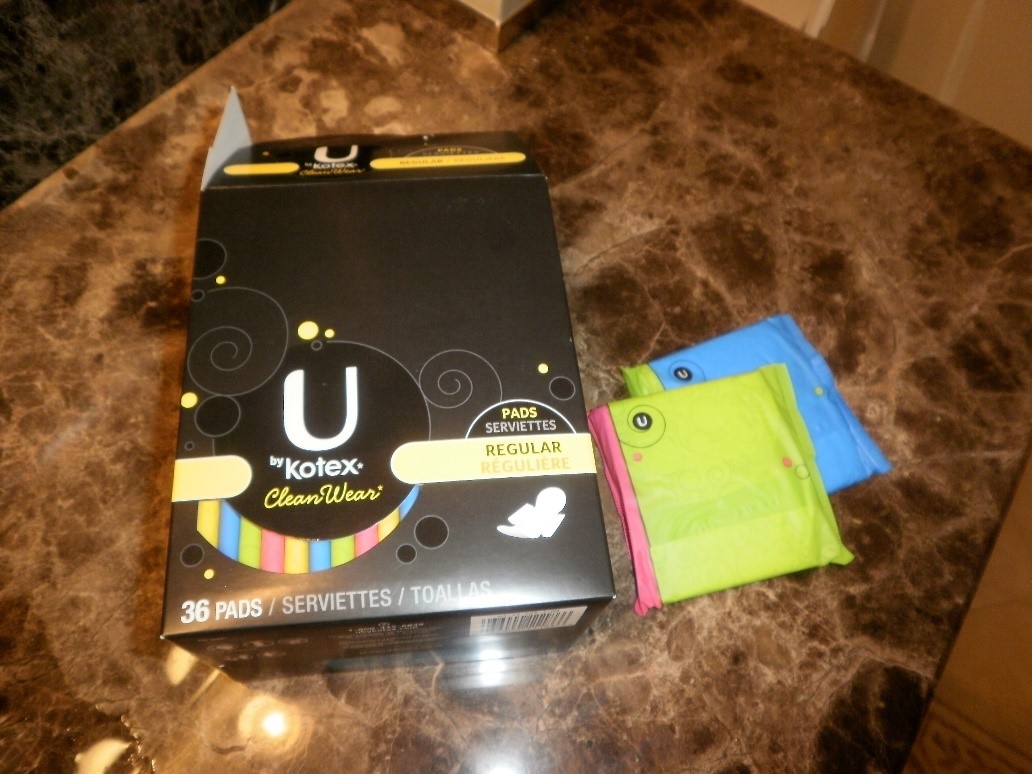
Surrounding me in the Barcelona airport this past winter was the latest technology—new scanners and gadgets directed at catching radioactive and explosive material more quickly and safely than before. Large plasma screen TVs were on every corner, and numerous retail shops caught my eye at every glance. With an expansive collection of restaurants and shops, one would think this is more of a mall than an airport. Given the mini-mall appearance, I felt I would have no trouble finding a place to purchase a tampon or pad, as Mother Nature had unexpectedly paid me a visit and I was unprepared. After first checking the bathroom for a tampon dispenser and finding none, I went from store to store looking for a personal hygiene section. To my dismay, there were an assortment of shaving creams and toothbrushes and even diapers, but there were no tampons or pads to be found. After scanning all the stores in my immediate vicinity, I decided to inquire at the cashier desk, which was occupied by a female clerk. When I asked her about where I could potentially find some feminine hygiene products, she informed me that I was out of luck. Her and other female colleagues all kept tampons and pads in their bags because there was no place to purchase them in the area. Fortunately for me, they kindly provided me with a few from their stash for my long journey home.

While this may be expected in a less developed area with few resources, an airport that boasts being “among the top 30 busiest airports in the world”1 should have several places to purchase feminine hygiene products. I was incredulous that an airport outside a major hub in Europe in the 21st century had no place for female employees or travelers to purchase a pad or tampon. This is an issue that must be corrected—whether by adding tampon dispensaries or vending machines, or simply by increasing inventory in the numerous retail shops lining the terminals. The Barcelona airport, along with any other major public areas that are traversed daily, should be required to carry these products.

While I was fortunate enough to receive some aid from the female clerks at one of the retail shops, I know there have been many other women who have been inconvenienced by either lack of menstrual products or their cost. In the same month, another traveler at the Calgary YYC airport reported that she had to pay a whopping $15 for a box of tampons at the airport2. Of course, it is a known fact that prices in the airport are always much higher than in retail shops outside – same goes for museum gift shops and others located near tourist attractions. However, for a product that is a basic hygienic necessity for half of the globe’s population, it is prejudicial that it is also priced almost double what it is in a regular grocery store. That traveler’s post sparked a global dialogue as to why these products are not easily found or are not affordable in places that millions of women work or travel.

While a dialogue is an important start, we need to continue to bring this issue into the spotlight. No woman in 2018 should be forced to pay egregious prices for basic hygiene and even more importantly, there should be access to feminine hygiene products in all institutions, including schools, airports, and workplaces.

Source(s):

1https://www.barcelona-airport.com/eng/information.php

2http://www.metronews.ca/news/calgary/2017/12/04/viral-post-blasts-tampon-price-gouging-at-yyc-airport.html

Photo credit: Sor Cyress Source: Flickr

Categories
General Public Health

Human Trafficking: A Brief Guide for Physicians

Human trafficking. Like many things we hear about or read in the news, it seems like a problem of developing countries like Cambodia and Thailand. However, what we fail to realize is that human trafficking, also known as modern slavery, is alive and well within the United States and affects children and adults across all socioeconomic statuses. A harrowing fact is that up to 85% of people forced into human trafficking saw a physician at some point and more than 60% had at least one ER visit1. However, most physicians have not been trained on how to identify and help patients who are potential victims of human trafficking2. This article will hopefully provide more insight into what human trafficking is, how to identify a victim, and most importantly, how to help them.

The State Department of the United States indicates that human trafficking consists of domestic servitude, forced labor, debt bondage, as well as sexual exploitation3. While these are different types of human trafficking, warning signs that a potential patient is a victim to these crimes tend to be very similar. The U.S. Department of Education has provided some common identifiers for physicians in all states to be aware of, including a patient who:

  • Makes references to frequent travel to other cities or towns
  • Exhibits bruises or other signs of physical trauma, withdrawn behavior, depression, anxiety, or fear
  • Lacks control over her or his schedule and/or identification or travel documents
  • Is hungry, malnourished, or inappropriately dressed (based on weather conditions or surroundings)
  • Shows signs of drug addiction4

Victims are often in attendance with their abuser, whether this is a pimp or “employer”, so it is important to speak to the patient alone to elicit a thorough history and help the victim. An excellent resource for all health care professionals in the emergency room is a phone app called “Sex Traff”5. It is designed by two physicians with the intent of helping health care professionals identify potential victims of sex trafficking using a simple screening questionnaire.

As the awareness of human trafficking increases, there is also an increase in health professional training sessions available in several cities across the nation, as well as online training available through the national human trafficking hotline: https://humantraffickinghotline.org/material-type/online-trainings. It is important that healthcare providers of all ranks be informed of this pervasive problem, as well as how to respond. Please share this information with your staff and colleagues, so that we can do our part to combat human trafficking.

Source(s):

1https://wire.ama-assn.org/delivering-care/how-physicians-can-identify-assist-human-trafficking-victims

2https://www.reuters.com/article/us-sex-trafficking-recognition/doctors-not-trained-to-spot-sex-trafficking-victims-idUSKBN0MC1XE20150316

3 https://www.state.gov/j/tip/what/index.htm

4https://www2.ed.gov/about/offices/list/oese/oshs/factsheet.html

5 https://play.google.com/store/apps/details?id=com.ncpl.sextraff

Photo Credit: Thomas Wanhoff Source: Flickr

Categories
General Lifestyle Reflection

Running

For just split seconds, I am floating, flying, feeling the space pass by. Then the flying ends, subtalar joint and plantar fascia absorbing the first impact of my landing. Gastrocnemius, soleus, and Achilles tendon maintain my stance, and along with my hamstring orchestrate takeoff. Then I am flying again, rectus femoris and iliopsoas swinging my leg forward.

My feet beat the drum of the earth, sarcomeres lengthening and then shortening, orchestrating flight and breath and blood flow. They lengthen and shorten, again and again. Intercostals and diaphragm labor rhythmically, cycling through hunger for air and fleeting relief.

As re-oxygenated blood returns to my left atrium, my attention returns to my thoughts. At first they fought for an audience, demanding my attention as I focus instead on the world around me, but soon it’s just me and my thoughts, as the air streams across my face. My legs stay strong, but beg me to stop. As I finish my run, my thoughts are with me, but whispering politely instead of shouting for attention, willing to leave as quietly as they came.

It isn’t the running, it’s the calm, the quiet, the peace in the cacophony. It isn’t the running, it’s the brisk morning breeze, the bronze fall leaves, the stars between the stars in the night sky. It isn’t the running, it’s me passing through space – a shooting star in the night sky trying to shine bright in the milliseconds I have to add a little light to the world. It isn’t the running, it’s the feeling of perfect harmony as the rhythm of my legs and arms and breath seems to match the rhythm of the world. It isn’t the running, so it is the running.

In the singularly focused chaos of medical school, running was just what I needed to reconnect with nature and the city around me. Earlier in medical school, a friend had asked me if I ran, and I answered, “Nope! Why would I run? I only chase soccer balls and cookies”. I am grateful that we are able to change, and I am now able to see beauty where I could see none before.

Photo Credit: Mark Hesseltine

Categories
disability Emotion Lifestyle Patient-Centered Care Psychology

Nodding Along

My grandmother was a strong and compassionate Egyptian woman, a mother of three, and a pathologist. On a glass slide, exactly like the ones she used daily, cells from her colon biopsy were identified as undifferentiated, and within days she was diagnosed with Stage IV Colon Cancer.

Although I am learning how to care for people in sickness and health, someday, the chest compressions will be applied to my chest. Disease knows no discrimination, and death unites us all. Thousands of cancer diagnoses and precise and growing knowledge of cancer cell types did nothing to protect my grandmother from that which she knew so much about.

In Egypt, cancer is called ’the bad disease’, and bad it is. Over the next couple months, we watched as the bad disease took our beloved grandmother away from us. During that time, my family members, and my grandmother, had to make a series of challenging decisions that they were very obviously not prepared to make.

Medical advancements, although the main reason we are living longer lives, have caused the complexity and variety of end-of-life decisions to be ever increasing. Uneasy about the series of decisions that my family had to make and handicapped by my ignorance, I found myself reading Being Mortal by Atul Gawande. Atul Gawande led me through a vulnerable and imperfect but inspiring conversation about death and dying, exposing our medical system’s inability to understand health beyond the one-dimensional, and presumptuously noble, endeavor to prolong life at any cost.

While reading Being Mortal, I found myself enthusiastically nodding along, agreeing with the theme of the book: we need to change everything about our simple but destructive approach to aging and our increasing elderly population. Our singular approach to prolonging life simplifies complex social and medical decisions. It seems the attitude now is that longer life is all that matters. Ensuring nutrition and shelter is our only standard for a viable living environment for the elderly. We are failing our parents and grandparents.

Atul Gawande’s presentation of ideas changed how I perceive aging and our healthcare decisions at the end of life. I became a strong advocate of having conversations about the inevitability of our death and the choices we want to be made during our end-of-life care. I was convinced that society and healthcare should ensure that the elderly remain the authors of their own stories for as long as they are willing, and actively empower them to do so. Nutrition, shelter, and minimizing fall risk are minimums of care, not acceptable standards.

The Literature in Medicine Student Interest Group at my school decided to read Atul Gawande’s Being Mortal, and I could not be more excited. In the middle of our meeting discussing the book, as I was passionately sharing my ideas, it occurred to me that although I was full of strong opinions, I had done absolutely nothing to be a part of the solution. My grandfather had come to live with us after his wife of 55 years, my grandmother, passed away from colon cancer, and my only roles/concerns in his care have been to ensure food, sleep, and meds. My strong opinions had not inspired my actions.

Nodding along to Atul Gawande’s criticisms of our medical system is easy, but having an honest conversation with my grandfather about his priorities and end-of-life care preferences as he reaches 90 years of age is not so easy. How might I empower my grandfather to continue to be the author of his story? Believing that healthcare is a right and not a privilege is easy, but carrying out the responsibility that this belief invokes is not so easy. How might I work to help provide all my neighbors with equal access to high-quality care? Practicing the invaluable intervention of presence is not easy, and working day after day to hone my abilities at the art of empathy is not easy. How might I overcome my doubts, fears, and insecurities, and avoid being frozen into lack of compassion?

Too often my strong opinions do not inform my actions. Too often my hate for dysfunctional and unjust systems overshadows my love for the people in the systems. I call myself to love my neighbors more than hate the systems, for love is actionable and hate is stifling and tiresome. Let love fuel the tank, for compassion-based activism is the only kind that goes the distance.

Photo Credit: Dan Strange

Categories
Clinical Patient-Centered Care Psychiatry Public Health

If you don’t ask, you’ll never know

On the first day of my first rotation as a medical student, my preceptor shared this bit of wisdom: if you don’t ask, you’ll never know.  In the nearly 18 months that have followed, I think about those words on a daily basis. To my mind, asking questions does more than just help us gather data. Asking questions establishes the type of relationship we are going to have with our patients. There are so many questions I wish I would never have to ask, whose affirmative answers are often indicative of the cruelty of this world. But when I ask about things like whether a patient has been the victim of abuse, I hope it sends the message that the relationship we are about to embark upon is one that can withstand such unpleasantness.

Not only can it be excruciatingly frustrating when other practitioners don’t share this point of view, it potentially has grave consequences. Unfortunately, patients with mental illness often seem to be the victims of physician “brush-off.” As someone who plans to devote her life to working with the mentally ill, I can only hypothesize as to why the same patients I find so much joy in working with are often given sub-par medical care as compared to their non-mentally ill peers. Perhaps physicians feel uncomfortable providing care for patients who come across as different than the norm, or perhaps their medical problems are too frequently attributed to psychiatric causes.

I recently cared for a patient who was two weeks post-partum from the birth of her first child. Though she was being seen for psychiatric admission, multiple aspects of her health were addressed during our initial evaluation.  When asked about her post-partum health, she denied having been scheduled for a post-partum visit with her obstetrician. Casually, she mentioned that she was having some malodorous green discharge since giving birth. It doesn’t take a medical degree to know that green, foul-smelling discharge is not a good sign, let alone when it occurs in the immediate post-partum time period. We were able to secure a next-day appointment with our hospital’s obstetrical practice, and with the patient’s permission, called ahead to the clinic to alert them of her complaints.

The next day, the care team gathered around to read the note from the obstetrician who had seen our patient. The note comprised all of five lines.  There were no pending labs. There was no mention of a physical exam.

There was no mention of the discharge at all.

The American Congress of Obstetricians and Gynecologists (ACOG) states, “It is recommended that all women undergo a comprehensive postpartum visit within the first 6 weeks after birth. This visit should include a full assessment of physical, social, and psychological well-being.”[1] The issue here, though, isn’t really about post-partum care. The issue here is about how we as health care providers need to provide equal care for unequal bodies and minds, and how we need to protect and advocate for our patients.

Patients with mental illness undeniably have poorer overall health. The average lifespan for an American adult with mental illness is a striking 30% shorter than for a non-mentally ill individual.[2]  While it is known that mental illness itself creates difficulty in accessing the healthcare system, for mentally-ill patients who do access healthcare, their quality of care is demonstrably lower than it is for those without mental illness. Literature consistently demonstrates that patients with psychiatric diagnoses receive fewer preventative health measures and have overall poorer quality healthcare than patients without psychiatric diagnoses.[3],[4] No matter what field of medicine you are in, you will see patients with mental illness. For these patients who sometimes cannot speak for themselves, the role of the physician in patient advocacy becomes even more crucial.

I will never know exactly what transpired during that appointment between my patient and the obstetrician, but I do know that obstetrician did not ask the questions that needed to be asked, and therefore did not ascertain the information necessary to appropriately care for the patient. At our request, a different practitioner saw the patient again. This time, the appropriate questions were asked, the appropriate testing was completed, and ultimately the patient was diagnosed with a sexually transmitted infection. Left untreated by the first obstetrician, this infection could have caused my patient systemic symptoms and permanent infertility.

As future physicians, it’s important for us to keep asking questions. So often, I have been surprised by the information I find when I ask a question about which I almost kept silent. Equally as important as asking the questions, however, is doing something with the information that you receive. The good doctor isn’t necessarily the one that stops the green discharge; they’re the one the identifies the problem in the first place and advocates on behalf of the patient to get the best people for the job.

[1] https://www.acog.org/Resources-And-Publications/Committee-Opinions/Committee-on-Obstetric-Practice/Optimizing-Postpartum-Care

[2] http://europepmc.org/abstract/med/19570498

[3] http://journals.lww.com/lww-medicalcare/Abstract/2002/02000/Quality_of_Preventive_Medical_Care_for_Patients.7.aspx

[4] https://www.ncbi.nlm.nih.gov/pmc/articles/PMC2951586/

Photo credit: airpix

Categories
General Innovation

A Budding Clinician-Scientist

Before I embarked on my second year of medical school, I wanted to try something different — an experience I probably wouldn’t attain during the medical school curriculum.

I have always had an inquisitive mind, hence research held a natural appeal. Research, at least to me, can be broadly categorized into two groups: dry lab and wet lab. I was already involved in the former, but was keen to give the latter a shot. An oncologist took me under his wing, and I was soon introduced to the world of lab-based, experimental research.

Coming from a background with literally no lab experience, it was undoubtedly a steep learning curve at inception. There was an avalanche of lab-based skills I needed to learn and understand. I was tasked to perform lymphoma research, but it wasn’t until a month later that I actually got to perform experimental work on lymphoma cells. The first month was humdrum but necessary. I had to complete multiple safety courses, practice micro-pipetting, and learn about the entire range of complex lab equipment and procedures such as the centrifuge, film development for western blots, and flow cytometry machine.

After one month, I was given my topic and tasked to draft the experimental protocol. In brief, I was investigating complement-mediated cytotoxicity of rituximab (anti CD20 monoclonal antibody) on lymphoma cell lines. Even though I had some prior knowledge about the cytotoxic mechanism, I had to perform an  in-depth literature search to augment my understanding and look for existing experimental protocols that I could potentially adapt.

With a protocol in my armament, I thought I was confident and equipped enough to perform the experiment, until I realized that multiple roadblocks lay ahead of me. An initial protocol with six simple steps turned out to be twice as long after adding several intermediate steps that I had missed. There were other reagents that I had to add. For instance, staining the cells involved identifying the appropriate stain color, optimizing the concentration of the stain solution, incubating it for a period of time; it was not as simple as adding a reagent to a test tube of cells. Hence, it often took longer than expected to complete a single step, which resulted in me being late for the equipment bookings. Time management was the first lesson for me. It was quintessential for me to plan, in detail, the total amount of time I actually needed per step, with some degree of overestimation.

The road ahead was filled with pockets of ups and downs, albeit often the latter. There were many occasions on which experimental results contradicted my hypothesis – cells died when they were not supposed to; cells didn’t die when they were supposed to. When occasions like these arose, I went back to scrutinize every step in the protocol, to make sense of what could have possibly went wrong. But I soon realized that the things that seemed insignificant to me were the sources of the experimental failures. For instance, I had initially assumed that all serum types were similar in composition and purpose. However, the serum I had used was not viable for cell survival. Hence, I switched from commercial serum to human serum in subsequent experiments. The next road block came when my cells became unresponsive to rituximab. It was only much later on that I accidentally happened upon a paper, which stated that the particular cell line in my experiment was intrinsically resistant to the drug. These experimental failures served to teach me one very important lesson — to scrutinize the fine details and consider every possibility that could account for failures.

Lastly, I would like to underscore the significance of perseverance. I consider it to be the cornerstone of being a good scientist and researcher. Amidst the myriad of failures, I would have given up on continuing my experiments if I was devoid of it. Research can be a plodding process with multiple failures; but if you believe in your purpose and persevere, you will eventually reap the fruits of your labor.

I have always had an ardor for research, and I intend to pursue the Clinician-Scientist pathway. I am thankful for this lab experience, for it has opened my eyes to the unappealing — at least to most medical students —world of research. As mundane as it can be, I find both the process and end product meaningful to fellow scientists, doctors, and the society at large. This experience has not stifled my interest and passion for research and science; it has taught me instead the values that are essential for a scientist.

If you’re thinking of doing research or being a clinician-scientist, this is just my two-cents worth of lessons that I’ve personally picked up in my short five month stint thus far in the lab. Be humble. Be hungry to learn. Be careful to look out for details. And, most importantly, persevere despite how monotonous research can be.

Photo Credit: United Soybean Board

Categories
General Lifestyle Opinion

Too Many Eyes Between the Thighs: Sex and Surveillance

There’s a special bond between students and their teachers. As someone who used to teach young children, I know firsthand how students can trust teachers with certain aspects of their lives that they don’t feel comfortable disclosing to other adults. But, students in the Salem-Kaiser school district in Oregon may want to think twice about what they tell their teachers. That’s because district policy stipulates that teachers are mandatory reporters of all student sexual activity. This policy means that teachers who have knowledge or suspicion of students’ sexual activities must file a formal report with the Department of Human Services, local law enforcement, or a school resource officer. What’s more, because they are mandatory reporters, a teacher could actually face disciplinary action and fines if they fail to report known student sexual activity. This law even applies to faculty members making reports on their own children if they are students in the district. The year is 2017, but this puritanical policy is straight out of the 17th century.

As a former high school student, I’m appalled by this policy. As a future doctor, I’m deeply troubled. When culture permits our libidinous drive to become an object of surveillance, sex becomes a deviant activity. In criminalizing the natural and healthy exploration of sexuality, we imbue sex with shame.

I could not help but see a link between this policy and the reports of sexual violence that have been dominating the media over the past month. My immediate reaction was that this attitude of surveillance around sex is the fertile soil from which the Harvey Weinsteins of the earth spring forth. In an article about the Harvey Weinstein scandal published in New York magazine, Rebecca Traister writes “What we keep missing, as we talk and reveal and expose, is that this conversation cannot be just about personal revelation or speaking up or being heard or even just about the banal ubiquity of abuse; it must also address the reasons why we replay this scene, over and over again.” Traister sees the perpetuation of crimes of sexual abuse as indicative of a foundational gender injustice; I see them as the result of a culture that was built upon austerity.

America is littered with vestiges of our Puritanical culture. The very fact that we can’t show the bare breast on Instagram, or that we’re still trotting out the story of Janet Jackson’s costume malfunction from Super Bowl 2004 is, to me, an indication that the body is subjected to surveillance when it’s recognized as a vessel of sexuality. Sarah Silverman’s June 2017 appearance on Jimmy Kimmel Live! illustrates this. She holds up a picture of a penis that she drew while hospitalized and correctly assumes that the picture is intentionally blurred to viewers at home, per FCC regulations. She then facetiously tells producers that what she actually drew was a stalk of asparagus, and the picture instantly becomes clear. The image is, in a way, treated as criminal, and is subject to surveillance via pixelation, and yet that surveillance is instantly removed when the association with sexuality is removed.

In a way, we’re all responsible for allowing crimes of sexual violence to occur. My intention here is not to negate the free will of an individual who chooses irresponsible, repugnant behaviors, but to suggest that we have fostered a culture which, in a way, suggests that abhorrent sexual behaviors may be the basest way to get one’s needs met. When two 16-year-olds are in a healthy, consensual sexual relationship, and this relationship gets reported to the authorities, we are sending the message that even an appropriate sexual encounter is considered an act of deviance. And it starts even at a more localized level than the school. If kids are not hearing about sex in their households and are not raised with the understanding that sexual appetite is as normal a bodily function as urination or defecation, the overwhelming message is, at the very least, that sex is something that needs to be hidden away, or more damaging still, that sex is shameful.

Sexual violence is borne from the “sex = shame” mentality. When we classify the perpetrators of these crimes as being “sex addicts,” it excuses these damaging and vile behaviors as an unfortunate error of biology rather than viewing them as a product of learned behavior. This is not to say that sex addiction isn’t a real pathology, but rather to point out that we may be confounding biology with behavior. Though sex addiction has never been classified as a diagnosis in the Diagnostic and Statistics Manual (DSM), most experts agree that the diagnosis of a sex addiction would require a higher-than-average sex drive coupled with compulsive sexual behaviors even in the face of negative consequences. Sexual drive is a difficult feature to quantitatively measure, but I suspect that a high sex drive is not the cause for most crimes of sexual violence. I strongly believe that by committing acts of sexual violence, perpetrators are primitively attempting to meet their needs. In other words, while the sexual appetite is normal, the internalization of the “sex = shame” mentality is so embedded in the psyche that the sexual act becomes a part of this narrative. When one believes that one’s sexual drive is shameful, libidinous urges cannot be openly discussed, and instead may be dealt with in a way that is clandestine and non-consensual. Larger issues of power and privilege, though out of the scope of this writing, come into play when individuals are enabled to act out these violent behaviors.

Sexual violence is systemic. If we don’t change our cultural attitudes toward sex, we will continue to foster an environment which is likely to create sexual criminals. Young people who are just beginning to explore their identities as sexual beings through relationships with others are most susceptible to the internalization of the “sex = shame” narrative. If we don’t learn to shed our Puritanical vestiges and celebrate the healthy, safe, and consensual sexual exploration of these young people, we will continue to support a society of people who are reduced to committing crimes of sexual violence.

References:

YThe Conversation We Should Be Having: https://www.thecut.com/2017/10/harvey-weinstein-donald-trump-sexual-assault-stories.html

Internet sex addiction: A review of empirical research: http://www.tandfonline.com/doi/abs/10.3109/16066359.2011.588351

Is Sex Addiction Curable? http://www.newsweek.com/sex-addiction-curable-kevin-spacey-seeks-rehab-condition-does-not-exist-703541

Salem-Keizer staff told to report student sexual activity, including own kids: http://www.statesmanjournal.com/story/news/education/2017/10/31/oregon-mandated-reporter-salem-keizer-staff-told-report-student-sexual-activity-including-own-kids/798865001/

Sarah Silverman on Near Death Experience: http://abc.go.com/shows/jimmy-kimmel-live/video/featured/VDKA3871414

Photo Credit: Wyatt Fisher

Categories
General Reflection

Gender Application Gap

Gender stereotypes are pervasive in medicine. Last year, JAMA reported on the gender pay gap in medicine, and I found myself wondering if other stereotypes in medicine were true. I have seen some of it and heard more of it – from Scrubs, to blogs, to my own preceptors – ortho-bros, Ob/gyn girls, etc. According to a report using 2015 data from the AAMC and a study in the Journal of the American College of Surgeons that used the same data, these stereotypes seem to fit. The top male-dominated specialties by resident in the GME class of 2013-2014 were orthopaedic surgery (87%), radiology (73%), anesthesia (63%), emergency medicine (62%), and general surgery (59%). Women made up 85% of Ob/gyn, 75% of pediatrics residents, 57% of psychiatry residents, and 58% of family medicine residents. What I was really interested in, though, was whether there is any sort of advantage or disadvantage in being a male or female applicant in a sex-dominated field.

Luckily, this must have been on the minds of the ERAS stats department beacuse one of the headline charts on their FACTS web page is a table of specialty application data broken down by sex. The table includes the total number of applications per specialty and average number of applications per specialty broken down by sex. The data included all types of applicants – IMGs, DOs, and MDs. In working with the data, I chose to focus on Family Medicine, OB/gyn, Urology, Orthopaedic Surgery, General Surgery, and Family Medicine based on the AAMC data for sex-dominance as well as the stereotype of the field. I’ll admit that the latter is not a scientific method, but I don’t think I’m going out a limb here to say that there are (rightly or wrongly) generally agreed-upon stereotypes in medical fields. The modified table can be found below:

Specialty Female Applicants Mean Number of Female Applications Male Applicants Mean Number of Male Applications
Anesthesiology 1268 28.5 2524 30.9
Family Medicine 7168 49.4 7260 51.8
Obstetrics and Gynecology 2019 47.7 758 41.1
Orthopaedic Surgery 193 79.2 1116 74.8
Pediatrics 4576 36.7 2490 33.6
Surgery-General 2606 37.2 4871 37.7
Urology 110 64.2 383 62

Nothing shocking here. Male-dominated specialties like urology and orthopaedic surgery have more male applicants, female-dominated specialties like OB/gyn and pediatrics have more female applicants, and more evenly distributed fields have about an equal number of applicants.

What is more interesting is the average number of applications submitted per applicant by sex to the different specialties. Urology and orthopaedic surgery, probably the two specialties most culturally male-dominated both have higher number of applications submitted per female applicant. This seems to fit. Perhaps female applicants, knowing that the culture is male-dominated, feel pressure to submit more applications in order to be more certain that they will secure a residency in the male-dominated field. Ob/gyn, though, is the opposite. The most female-dominated specialty (both culturally and by AAMC data) has fewer applications per male applicant than female applicant. Even though 85% of the residency class of 2013-2014 was female, and even though far more women applied to OB/gyn than men, men do not seem to feel the need to overcome any sort of cultural disadvantage like women do when applying to male-dominated specialties.

This trend of male advantage in overcoming residency stereotypes holds true among other female-dominated fields like pediatrics where there are likewise more female applicants, but men submit fewer applications per applicant. I should note that this data does not include matriculation – only applications – so it is possible that men submit fewer applications and then do not get residencies. Also, this trend is not universal. Anesthesia is a male-dominated field where women submit fewer applications per applicant, though culturally it is not stereotyped to the same level as orthopaedic surgery or OB/gyn.

The New York Times wrote about this trend in 2001, noting that while men still made up the majority of practicing OB/gyns, upwards of 80% of residency applicants were female. But, according to the article, female OBs were taking a stand. They did not want OB/gyn to become a women-only field with some even supporting the reverse sex-descrimination argument that a few male OBs had taken to the courts. What is amazing in this scenario is that in spite of patient preference being the driving factor in making OB/gyn female-dominated, residencies see this as a problem and appear to be giving male applicants an advantage for residency positions. Meanwhile, male-dominated fields do not appear to have a problem with their male to female ratio. What does it say when women physicians are advocating for more men in their field over the preference of their patients?

Photo Credit: European Parliament

Categories
Lifestyle Public Health Reflection

#BoPo: Body positivity in the age of obesity

When I was younger, I loved watching the televised broadcasts of New York Fashion Week. I grew up in the heyday of heroin chic, which meant that the runway was a seemingly endless parade of vampire-pale, stick-thin waifs. I knew I would never grow up to look like these women, no matter how hard I tried. Even though I was perfectly happy to develop my own unique sense of style, I had an awareness that no one on television looked like me.

Fast forward two decades. The landscape of beauty has changed dramatically. I can’t yet say we’re living in a whole new world, but as a society, we’re making steady progress toward diversifying our expectations of beauty. More colors, shapes, sizes, and sexual identities are being beamed over the airwaves and into our living rooms.

The strides we’ve made toward diversifying our media did not just happen overnight. They occur as part of a larger historical context that has rebelled against normative standards of beauty for decades. The Fat Acceptance Movement, started in the mid 1960’s, is considered to be an offshoot of Second Wave Feminism. In 1967, the group held a 500 person “fat-in” in Central Park, NY wherein people carried signs of pro-fat messages and burned diet books. This was followed in 1969 by the creation of the National Association to Aid Fat Americans (NAAFA) which held a yearly summer convention until 2015. More recently, in 1996, the Body Positivity Movement was started by friends Connie Sobczak and Elizabeth Scott. Their goal was to help girls and women foster positive self-images so they could lead more fulfilling lives. Today it exists as an organization known as the Body Positive. Just a few weeks ago, this organization hosted the third annual CurvyCon. This convention was organized by two self-described plus size fashion bloggers to help women “chat curvy, shop curvy and embrace curvy.” All of these organizations and movements undoubtedly have their own platforms, but what they all share is a desire for bodies of all appearances to be accepted into society.

I firmly believe that every body is worth loving, but moreover, that every body is a body worth caring for. I see care as being a balance between the emotional and physical aspects of well-being. While I am hopeful that the shifting tide of acceptance in media translates more broadly to mean that us non-Hollywood folk also find value in ourselves and others no matter our physical appearance, as a health care provider, I am concerned that the Body Positivity Movement may be construed as an acceptance of obesity. If we accept ourselves for who we are, and who we are is unhealthy, then I question whether we are really showing ourselves the love that we claim.

I think what the Body Positivity Movement does well is emphasize self-value on the emotional spectrum of care. Where body positivity endeavors seem to lag, however, is in the promotion of physical health. Physical health can be just as challenging to realize as emotional health, yet it is just as important. Diabetes, hypertension, and hyperlipidemia are real diseases whose prevalence strongly correlates with obesity. They do not discriminate between people who love their bodies and those who don’t. They can affect and ultimately kill anyone whose body mass index falls into an unhealthy range. Our government makes the realization of physical health all the more difficult by setting up barriers for people to receive quality health insurance. Financial barriers are only one aspect of this problem. Any policy that allows for the proviso of health barriers, in the form of exclusions, special criteria, and added financial burden for people with pre-existing conditions, is a policy that does not believe all people to be equally worthy of care and is therefore an injustice.

Even though a key focus of the Body Positivity Movement is self-love, this does not mean people have to go it alone. As future physicians, we can partner with our patients and aim to help them strike a balance between their emotional and physical care. To me, this means helping our patients foster emotional self-love while also being conscious of physical health. While monitoring sensitive aspects of our patient’s physical health such as weight, infectious disease, and heritable conditions may be challenging, perhaps in part because they may draw on our own personal insecurities, we can discuss these topics using sensitive, collaborative approaches that are respectful of the patient’s emotional well-being. Ultimately, our goal should be to meet our patients where they’re at in terms of care and be a supportive force to propel them forward.

References:

The Body Positive: http://www.thebodypositive.org/about

Brief History: The Fat-Acceptance Movement: http://content.time.com/time/nation/article/0,8599,1913858,00.html

The Curvy Con: http://www.thecurvycon.com/about

Overweight and Obesity: Signs, Symptoms, and Complications: https://www.nhlbi.nih.gov/health/health-topics/topics/obe/signs

Photo Credit: Crystal Coleman