Categories
Innovation Opinion Technology

Medical Technology: Implementation Without Cause?

A trip through my apartment is a serious lesson in buyer’s remorse. My iPad? What I thought would be a useful note taking and studying tool is more of a $500 YouTube and Netflix consumption machine. My spiffy dual monitor setup that I thought would amp up my productivity? Most of the time I forget to plug in my other monitor and spend my computing sessions staring at my 13” MacBook screen. In fact, that exact situation is occurring right now as I write this. My fancy Bluetooth speaker that I thought would be useful for jamming out when I had friends over? I’ve used it a handful of times, lost the charging cable so the thing won’t even turn on, and have absolutely no desire or intention to either find or buy a new cable.

Photo courtesy of reirhart_luna

You may be asking yourself what the point of that rant was, and I don’t blame you. What unifies all those examples is that they are situations when I either purchased or was given a new tech toy that I thought would be life changing, but instead turned out to be unnecessary or obsolete. What I’ve learned from years of accumulating new technology is that while everything comes with copious advertising and monstrous hype, few devices actually deliver as promised.

The medical field is no stranger to this. Hospital administrators and clinical program directors are people too, and they enjoy new toys just as much as the rest of us. Hospitals and universities try to justify their actions by citing journal articles and claiming that having “X” item allows them to remain “on the leading edge of Y specialty.” Let’s be honest, no one is being fooled here. Those new collections of surgical mallets aren’t any better at impacting components than the ones made 20 years ago.

One of the most sought-after technologies is robot-assisted surgical systems, such as the da Vinci©. Are these systems, while definitely innovative and interesting, akin to my iPad? Are they just shiny new toys that don’t justify their cost? Well, let’s find out.

What exactly is this technology?

Robot-assisted surgical systems are surgical workstations, containing robotic arms with cameras and tools, which can be controlled and manipulated by physicians. The most prominent and successful robotic system is the da Vinci©, manufactured by Intuitive Surgical of Sunnyvale, California. The features of this system include four robotic arms that can control surgical tools, a magnified 3D high-definition visual system, and wristed instruments that can produce a range of motion beyond that of the human wrist.1 The claimed benefit of this system is that surgery can be performed with smaller incisions, thus decreasing the pain and recovery time that is usually associated with open surgery.1 These and other systems are currently in use in many different fields such as cardiac, colorectal, gynecological, thoracic, and urological surgery.1 These systems are not cheap however, running upwards of $1 million plus large maintenance and service contracts that can reach into hundreds of thousands of dollars per year.2

Photo courtesy of PresidenciaRD

What does the literature say about these systems?

There has been much study about these surgical systems, with the number of peer-reviewed articles reaching into the thousands.  However, there have been a few recently published studies that have shed some concern about the use of robotic surgical systems. In a letter to the New England Journal of Medicine, physicians from Sloan-Kettering Memorial Cancer Center found little to no advantage when using the da Vinci© system for radical cystectomy.3 They found robotic and open surgery to have similar rates of perioperative complications. They also found that while the patients who underwent robotic surgery had lower blood loss, they also had longer mean length of stay after surgery.3 The longer mean length of stay invariably led to greater costs when using the robotic system.

The American Congress of Obstetricians and Gynecologists, in a March 2013 statement issued by President James T. Breeden, denounced the use of robotic surgical systems.4 Dr. Breeden claims, “There is not good data proving that robotic hysterectomy is even as good as – let alone better – than existing, and far less costly, minimally invasive procedures.”4 This speech came after studies published by researchers at Columbia University cast doubts about the perceived advantages of robotic surgical systems.2

These two examples only represent a few of the many opinions divulged about the topic of robotic surgical systems.  The literature is rife with both positive and negative opinions, and it is up to hospital administrators and faculty to gauge the worth of these systems.

Why do so many hospital centers have this technology?

Implementation of these robotic surgical systems has occurred in major surgical centers in the US, France, Italy, Germany, Spain and many other places. If the literature is conflicting on the efficacy of these systems, why is implementation so widespread? I believe the answer is marketing. Top medical centers have a need to “keep up with the Jones’.” If one renowned medical center acquires certain technology, all of the other medical centers instinctively implement that technology as well to avoid a perception of inferiority. There is also a marketing aspect in terms of patient recruitment, as new technology and the promises of a “superior” surgical experience may lure prospective patients away from competing hospital systems. Whether or not the added income from patient recruitment offsets the initial and recurring costs of these systems is, to my knowledge, yet unknown.

My conclusion on this topic is that these surgical systems are akin to my iPad.  They are good in theory, but their cost and relative utility make them a bad investment at the moment. However, this is not to say that these systems will never find justifiable use. With new innovation these systems may find a niche that makes them both efficacious and profitable. Just as a new app may breathe more life into my iPad, new research and better training with the robotic surgical systems may lead to advancements that will justify their implementation.

References
1.http://www.intuitivesurgical.com/
2.http://online.wsj.com/news/articles/SB10001424127887323764804578314182573530720
3.Bochner, B. H., Sjoberg, D. D., & Laudone, V. P. (2014). A randomized trial of robot-assisted laparoscopic radical cystectomy. N Engl J Med, 371(4),389-390.
4.http://www.acog.org/About-ACOG/News-Room/News-Releases/2013/Statement-on-Robotic-Surgery

Featured image:
Da Vinci Surgical Robot by Ars Electronica

Categories
General

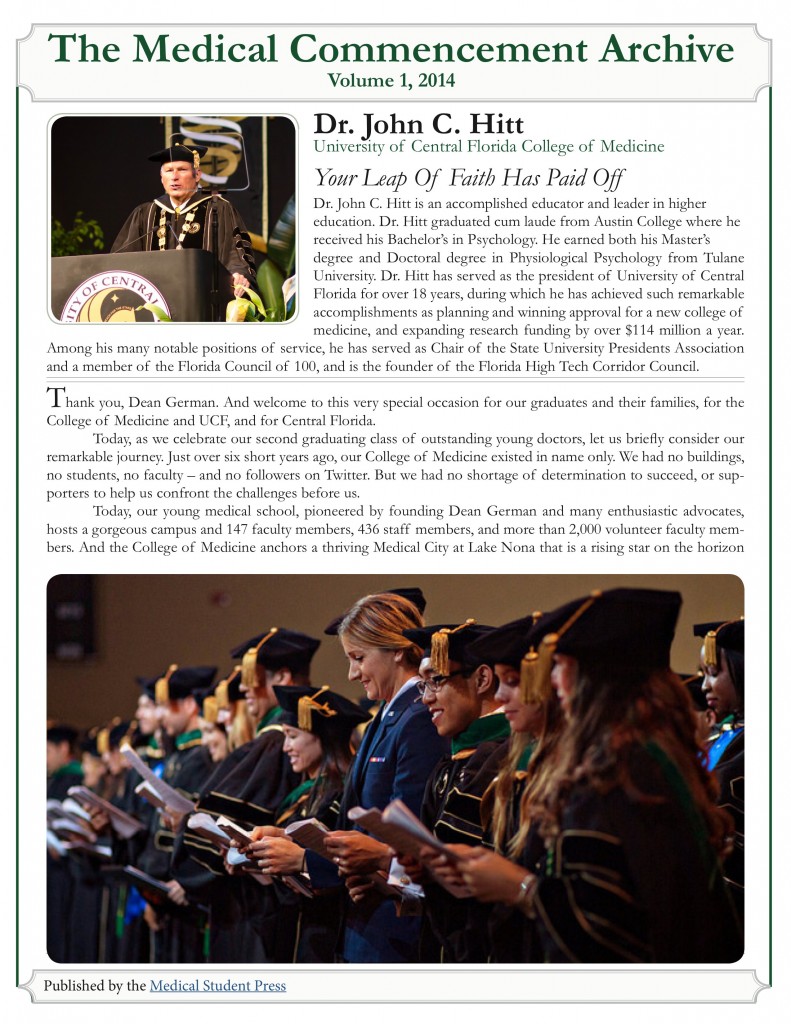
“Your Leap of Faith Has Paid Off” Dr. John Hitt, 2014 Commencement Address at the University of Central Florida College of Medicine

Page 1This week’s Medical Commencement Archive speech comes from Dr. John C. Hitt at the University of Central Florida College of Medicine. In his speech, he congratulations the newest UCF COM graduates on choosing to attend the new medical school. What goes into establishing a new medical school? Read Dr. Hitt’s speech for an inside look. Addressing the successful UCF COM graduates, Dr. Hitt states,
|
“The biggest game changers in life dare to envision a better society, and then go about creating it.”
|
Dr. Hitt is an accomplished educator and leader in higher education. He graduated cum laude from Austin College where he received his Bachelor’s in Psychology. He earned both his Master’s degree and Doctoral degree in Physiological Psychology from Tulane University. Dr. Hitt has served as the president of University of Central Florida for over 18 years, during which he has achieved such remarkable accomplishments as planning and winning approval for a new college of medicine, and expanding research funding by over $114 million a year. Among his many notable positions of service, he has served as Chair of the State University Presidents Association and a member of the Florida Council of 100, and is the founder of the Florida High Tech Corridor Council.

Read Dr. Hitt’s speech through the Medical Commencement Archive. Stay tuned for more speeches each Friday.

Categories
Clinical General Lifestyle MSPress Announcements Reflection

Medical Commencement Archive Debut with Dr. Timothy E. Quill, University of Rochester School of Medicine

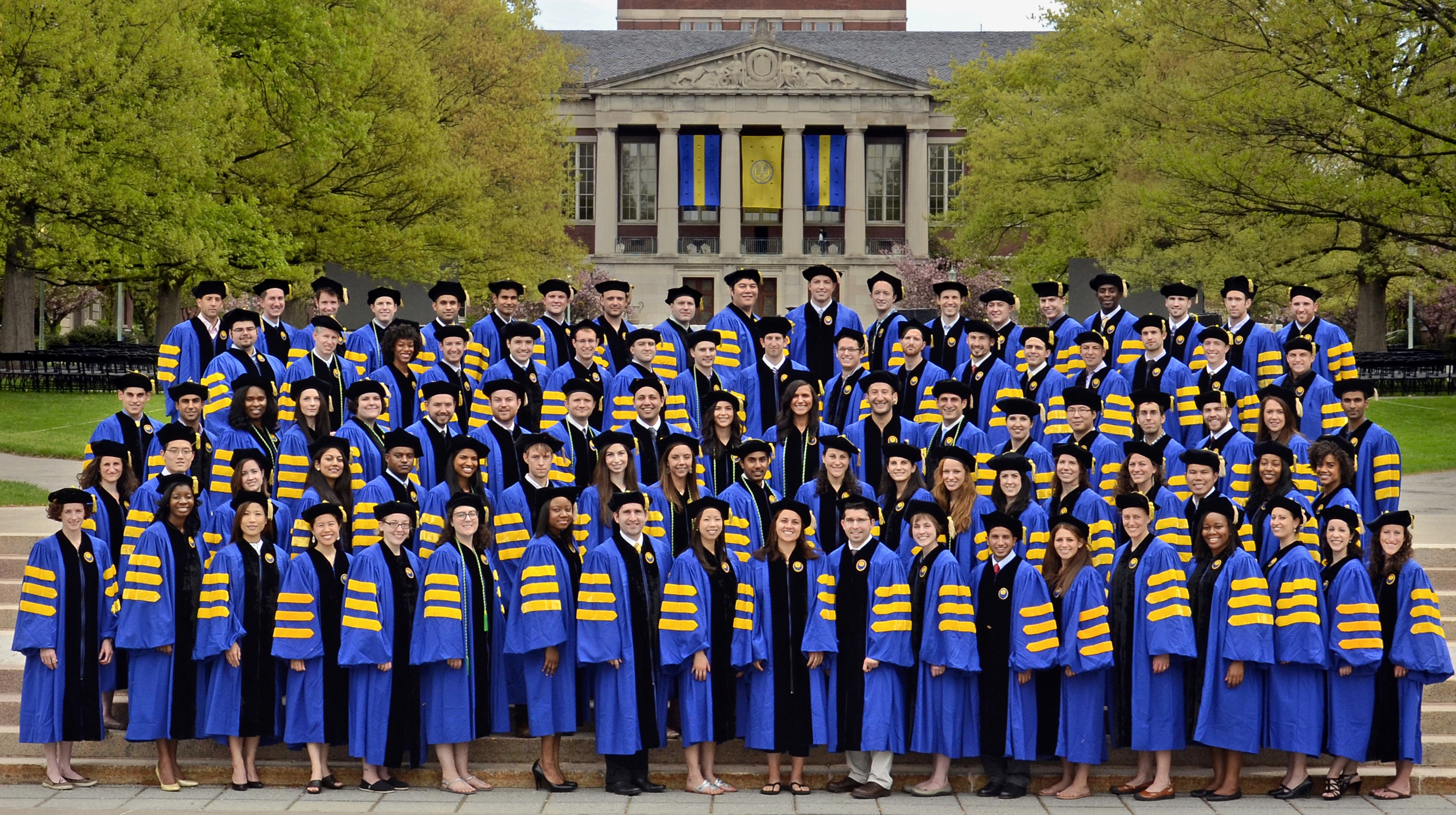
Today the Medical Student Press kicks off Volume 1 of the Medical Commencement Archive. The Archive will now release a new speech each Friday. Stay tuned for spectacular reads which speak directly to the future of medicine with wise reflections from the past. The inaugural speech entitled, Who is Your Doctor?, comes from Dr. Timothy E. Quill, M.D., at the University of Rochester School of Medicine and Dentistry. Read Dr. Quill’s full speech and bookmark the Medical Commencement Archive here.

dr quill copy 2Dr. Quill is an accomplished physician and author in the field of Palliative Care. He earned his undergraduate degree at Amherst College, and received his M.D. at the University of Rochester. He completed his residency in Internal Medicine and a Fellowship in Medicine/Psychiatry Liaison at the University of Rochester. Dr.Quill is now Professor of Medicine, Psychiatry, and Medical Humanities at the University of Rochester School of Medicine and Dentistry. He is also the Director of the URMC Palliative Care Program. Dr. Quill has published extensively on the doctor-patient relationship, with an emphasis on the difficult decision-making processes toward the end of life. He was the lead physician plaintiff in the 1997 Supreme Court case Quill v. Vacco challenging the law prohibiting physician-assisted death.

In his speech, Dr. Quill spoke to the class about the need for competent and personal medical care in this complex and fast-paced world of biomedicine with all its specialties and subspecialties. He drew upon his extensive clinical experience in palliative care to illustrate how a deep understanding of the patient and their family can help physicians not only guide patients through the plethora of medical options, but also make,

“…clear recommendations among those options based on their medical knowledge and their knowledge of the patient as a person.” Dr. Quill believes, “that kind of guidance and engagement, which is both medically competent but also very person, is what will make [one] a really exemplary doctor.”

Dr. Quill’s speech is indeed very touching and inspirational. His personal clinical anecdotes are moving, as  they illustrate how competent and personal medicine improves patient care. His focus and dedication to understanding and treating patients as opposed to diseases is evident and serves as a role model to all, including medical students. His words inspire medical student to,

“become one of those doctors who is not only technically very competent, but also very willing to engage with patients and families in difficult decision-making.

The MSPress encourages you to read his commencement speech to not only gain insight into Dr. Quill’s wisdom, filled with powerful anecdotes, but to learn from an accomplished and very thoughtful physician. Read Dr. Quill’s full speech and bookmark the Medical Commencement Archive here.

Thanks to Stephen Kwak, MSPress Editor, for his contribution to this blog post.

Categories
Clinical Opinion

Physicians in Pre-Hospital Emergency Medical Systems

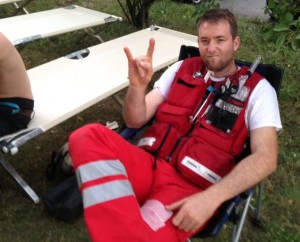
Franco-German and Anglo-American models of emergency medical care differ. The first brings the physician to the patient on scene, while the latter brings patients to physicians in hospital. In a recent German study, physicians remarked, “Do we really have to study whether a high density of less qualified EMS personnel leads to similar or even better outcome than a system in which highly qualified physicians, providing better transportation stability, take care of the critically ill patient?” Are physicians needed in pre-hospital emergency care settings? If so, in what medical setting is such a system tenable?

On-scene time
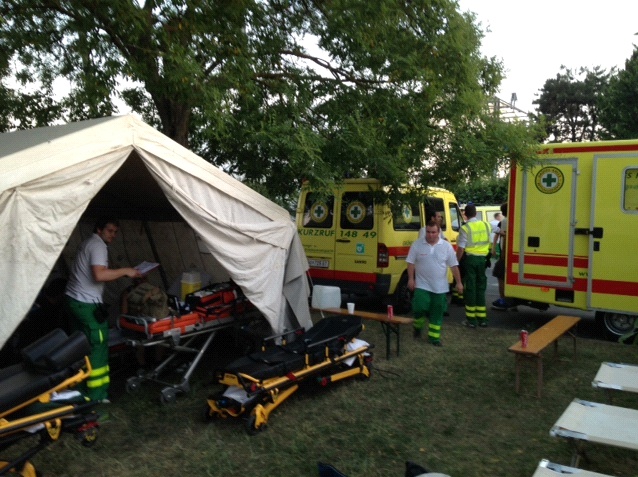
Time is of such importance in medical emergencies and trauma that the term, “golden hour” has been designated to the period during which treatment is most likely to have a positive effect on a patient’s outcome. The two EMS models make an effort to treat the patients as soon as possible using different approaches. The Anglo-American model revolves around the “scoop and run” idea, bringing the patient to the physician in a hospital as quickly as possible. The Franco-German utilizes the “stay and play” concept, reflected in longer on-scene time. This time is not wasted though, and may even be considered better utilized as the physician is brought to the patient and can begin advanced and/or aggressive treatment on scene, improving the outcome and chances of survival. In the Anglo-American model, time is lost on many minor cases, because paramedics and EMTs must transport most patients to hospitals in order to be cleared by physicians, whereas in the Franco-German model, physicians can treat patients at the scene and decide which patients do not require hospitalization. Another factor that may prolong on-scene time in a negative way in the Anglo-American model is the skill level of paramedics and EMT. Lastly, there are situations with unavoidably prolonged pre-hospital time, for example when ambulating the patient may be difficult and transport to hospital delayed. In this case, the presence of a physician significantly improves survival rates. A large group of studies has demonstrated that the benefit of helicopter emergency medical service (HEMS) is not to be attributed to faster transportation, but rather to the presence of a physician.

Expertise and skill
The length of EMT and paramedic training programs ranges from a few months to two years depending on the policy of the country and the specific degree. EMTs are required to follow standard operating procedures, whereas physicians may, in certain circumstances, act autonomously. There is an ongoing debate on skills which paramedics should or should not be allowed to utilize. It has been found that there is a relatively high rate of misplaced endotracheal tubes in patients intubated by paramedics. Even with adequate training, skills deteriorate over time, as is the case with paramedics who mostly attend minor cases and do not regularly utilize practical skills such as endotracheal intubation, and intravenous drug administration. Physicians usually practice these skills in their hospital settings as well as in pre-hospital environment, allowing them more of a chance to practice their skills. In addition, specialists are more qualified to perform such skills in non-standard conditions.

Photo courtesy of Dr Gregor Prosen

Quality of care
Skills and expertise of EMTs and physicians reflect in quality of care. A large number of studies show a significantly better first hour and first day survival rate, a better functional outcome, as well as less time spent in intensive care unit in trauma patients; as well as survival of patients with acute myocardial infarction and respiratory diseases when treated by physicians. These results may reflect the higher level of expertise and the more profound knowledge of the physicians, as well as their ability to make clinical decisions and use aggressive treatment on scene. Studies have, however, found a difference in survival even when standard procedures were followed by both physicians and EMTs, such as in cases of cardiac arrest. Physicians administer a higher number of drug dosages per minute, they have shorter hands-off intervals and pre-shock pauses, and intubate a greater proportion of patients.

Issues
One of the biggest problems of maintaining a physician-based EMS is the financial “loss”. Is it worth overcrowding the Accident and Emergency (A&E) waiting rooms with myriads of “minor” patients who EMTs have to bring in, rather than clearing the A&E departments and allowing the staff to treat the more serious cases requiring advanced hospital equipment? Looking at the larger picture, survival of patients after CPR may be less costly in the Franco-German model than in the Anglo-American model. A study showed the expense of 0.7 euro per patient after CPR in Birmingham, compared to 0.17 euro in Bonn. Another problem, arguably more evident in the Americas than in the Europe is the litigious concerns. Many physicians who volunteer or work in ambulance services in the USA have malpractice insurance, which only covers their practice at their respective facilities, not in the pre-hospital environment, making them vulnerable to malpractice law suits. Some hospitals have overcome this problem by rewriting their insurance policies to include pre-hospital coverage for physicians working in those capacities.

While I support the involvement of physicians in pre-hospital emergency care, there remains a question of which physicians should be sent on the scene. Not all countries have enough physicians or adequate finances to allow all ambulances to be manned by anesthesiology or emergency medicine specialists, and instead send out newly qualified doctors with little experience. The right answer may lie between the two extremes: the use of both physicians and EMTs. For example, in Portugal dispatchers communicate with patients and decide whether to dispatch an emergency vehicle, as well as whether to man the vehicle with a physician and a nurse, or two EMTs.

Sources:
1 Timmerman A, Russo SG, Hollmann MW. Paramedic versus emergency physician emergency medical service: role of the anaesthesiologist and the European versus the Anglo-American concept. Current Opinion in Anaesthesiology 2008; 21:222-227.
2 Fischer M, Krep H, Wierich D, et al. Comparison of the emergency medical services systems of Birmingham and Bonn: process efficacy and cost effectiveness. Anasthesiol Intensivmed Notfallmed Schmerzther. 2003 Oct;38(10):630-42.
3 Garner A, Crooks J, Lee A, et al. Efficacy of prehospital critical care teams for severe blunt head injury in the Australian setting. Injury 2001; 32(6):455-60.
4 Osterwalder, J. J. Can the “golden hour of shock” safely be extended in blunt polytrauma patients? Prehospital Disaster Medicine 2002; 17(2):75-80.
5 Apodaca A, Olson CM Jr, Bailey J, et al. Performance improvement evaluation of forward aeromedical evacuation platforms in Operation Enduring Freedom. J Trauma Acute Care Surg 2013; 75(2 Suppl 2):S157-63
6 Katz SH1, Falk JL. Misplaced endotracheal tubes by paramedics in an urban emergency medical services system. Ann Emerg Med 2001 Jan; 37(1):32-7.
7 Klemen P et al. Effect of pre hospital advanced life support with rapid sequence intubation on outcome of severe traumatic brain injury: a prospective multicentre study. J Trauma. 2006.
8 Botker MT, Bakke SA, Christensen EF. A systematic review of controlled studies: do physicians increase survival with prehospital treatment? Scandinavian journal of trauma, resuscitation and emergency medicine 2009; 17:12.
9 Dickinson ET. The impact of prehospital physicians on out-of-hospital nonasystolic cardiac arrest. Prehosp Emerg Care 1997; 1(2):132-135.
10 Olasveengen TM, Lund-Kordahl I, Steen PA, et al. Out-of hospital advanced life support with or without a physician: Effects on quality of CPR and outcome. Resuscitation 2009;80(11):1248-52.
11 Fischer M et al. Comparison of the emergency medical services systems of Birmingham and Bonn: process efficacy and cost effectiveness. Anasthesiol Intensivmed Notfallmed Schmerzther 2003 Oct; 38(10):630-42.
12 Skow G. Docs On Ambulances. EMS World, 1 October 2010. http://www.emsworld.com/article/10319194/docs-on-ambulances?page=2
13 Page C, et al. Analysis of Emergency Medical Systems Across the World. Worcester Polytechnic Institute. MIRAD Laboratory, April 25, 2013.

Featured images courtesy of Dr. Gregor Prosen

Categories
General

The Value of Medicine, Amidst all That Debt

“It’s so unfair that you have to pay for your flights for residency interviews!” George, my fiancé, was indignant.  “In addition to hotels, applications, and everything else!” I looked over, surprised at his outburst.  It was justice, not stinginess that lit the fire in his eyes.

“Dear, we pay for everything when it comes to medical education.” I said. It made sense to me—that’s the way medical training worked after all.  Debt, debt, debt, and years later, a paying job.

“But why? It doesn’t seem right that corporations pay for potential employees’ travel fare and hotel on their interview days and universities arrange for PhD candidates to come and see their programs, but medical schools and residency programs won’t. The way I see it, that’s unprofessional.”

Unprofessional? Medicine is all about professionalism. And tradition.

“That’s just the way things are,” I told George.

From what I can see, medicine leans heavily on prestige and people to entice candidates to its programs. It can’t afford (and perhaps doesn’t need) perks to do the job for them.  But George has a point.  In a world where money is valued so highly, the medical field remains a privileged one.  Why is that so?  The answer is complicated.

My first year of medical school concluded less than a week ago.  I think back to the $70,000+ spent on my one-quarter-MD and part of me cringes a bit.  It is a well-known (and well-accepted) struggle that enormous loans are often necessary to make it through the four years of medical school.  Yet, even with the MD in our hands, at least one year of internship and, more likely than not, another two to five years of residency is needed to practice.  Often, physicians-in-training will continue on to do a fellowship and subspecialize in their field, which can take another one to three years.  And the cost of applying to residency?  It is not unheard of for medical students to take out additional loans during their fourth year for the sole purpose of “residency and relocation.”

Beyond the monetary expenses of medical education, there is often an underlying complaint of lost time in medical school, something that is a mix of lost sleep and lost opportunities for making money, exploring the world, and even, of developing relationships.  Somehow, it seems that there is the notion that medical education has a way of sucking the marrow out of life.  The best years, prime years often in one’s 20s, are spent studying in libraries or wrapped up in cases in the hospital.

Still, a large part of me is idealistic.  I see the pursuit of medicine as inherently sacrificial.  Student doctors spend their time buckled down in books or the wards, learning how to bring others into health and wellness.  I admit to oftentimes believing that it should be so—that in this field of caring and healing, our focus should always be on the other, the sick patient, and not on ourselves and our own sacrifice and debt.

I told this to my friend Arnav and he laughed at me. “You know, it would be way easier to get into medical school if being a doctor wasn’t a high-paying job.”

I thought about it and after a while, I nodded.  I guess it’s true.

“Plus, there are no poor doctors; only doctors in debt.”

Hmm.  True again.  Indeed, it seemed an oxymoron to imagine a starving doctor.  The idealist in me heaved a sigh. Arnav, as always, was deeply practical about his decision to go into medicine.

Like Arnav, many of my classmates have reasoned away the burden of their loans. Being a doctor is a secure and respectable job.  Their debt pushes them to pursue fields that reimburse well.  As one of my medical school friends shared with me, no one wants to stay in debt forever.  The less time needed to pay it all off, the better.

Nevertheless, I believe that most of my classmates would agree that in the end, all those numbers fading away from our bank accounts will be forgotten.  Already, the payments to AMCAS for applying to medical school are long-gone, lost amidst the moving process of dissecting a human body, the willingness of busy physicians to be my mentors, the privilege of being so trusted by another in clinic.  Many years from now, I believe that my exorbitant tuition will be long-gone too, forgotten amidst the incredible experiences I have had, the colleagues I have met, the patients I have walked with on their journeys.  These opportunities are indeed worth so much more than the entry fee that is medical school.

My first year blew by.  The end was jerky—I performed badly on the final exam for neurology.  Yet, even in feeling unable to remember any information, I told myself this: medicine is not about numbers. Medicine is about listening, caring, healing— things that are so human and valuable.

And so, neither will I judge myself by numbers.
Featured image:
Student Loan by Simon Cunningham

Categories
Clinical Narrative Reflection

On ICU Rounds

Passing through the restricted entrance of the ICU is like stepping foot into another dimension.

A web of clear and blue plastic tubes makes it nearly impossible to determine which machine is wildly wailing as you enter this strange environment. Few patients are conscious. Some might argue that few are truly alive. Passing by rooms with no visitors is depressing but a crowd of family members in a doorway may just choke you up.

I knew I was in a fragile state, at the mercy of sharp memories of previous trips to the ICU, where my own family members shared the same lifeless gaze of each patient that was now before me.

Torn between my current emotional state and desire to learn all I could about the patient on whom our team was currently rounding, I stood between the IV stand and my preceptor as he discussed the course of action with the nurse and me. I was part of the team, part of the conversation, part of the solution. I was in the moment. It was exhilarating.

After discussing our treatment plan, my preceptor and the nurse left the room and I suddenly found myself alone with the patient. I was no longer part of a conversation. I was in a different moment. I was simply an observer that might as well have been family. This patient was no longer a forgettable name on a chart. He was a father, possibly a brother, certainly a son. The poor chances of survival that my preceptor had mentioned earlier echoed in my ears, as I watched the green peaks and troughs dance on his heart monitor. I wondered when he had last opened his eyes, and I wondered who he last saw with them. I no longer felt like the powerful problem-solving medical student that I was just minutes before.

As I stood silently next to the patient, I contemplated a recurrent source of anxiety: the desire to enter into a field of medicine with constant variety and endless excitement, and the potential for high levels of emotional stress. It was then that I realized the subtle yet poignant experience that had just occurred: in the moment, I thrived. I recognized the importance of logical discourse in the treatment of this man, and I was able to focus on the task of caring for our patient. As soon as the tethers of responsibility had been cut and I was free to feel, I felt. The ability to compartmentalize heavy emotions is a necessary skill in the practice of medicine and one that paves the way for balance between successfully caring for our fellow humans and remaining one ourselves.

I proceeded to meet my preceptor outside, bursting at the seams with questions regarding our patient’s condition. Back in the moment. Cool as a cucumber.

And I cried the whole way home.

Featured image:
to much food by wolfgangphoto

Categories
Narrative Reflection

An Ambulance’s Burden

I step off of Northeast Corridor 7871 and into New Jersey. Sunlight makes the tracks look so warm that I feel cheated when cold wind rushes my face. A man walks toward me. He comes close enough for me to smell the rancid recency of cigarettes before he says, “Excuse me.” I look at him and his eyes dart from my face to the door.

“Do you have a cellphone?” he asks.

“Do you need to make a call?” I ask, annoyed at a flash of thought I catch myself engaging, how do you know he won’t steal it?

“Yeah. The ambulance.” he says, casually.

“9-1-1?” I ask as I dial the numbers on my phone.

“Yeah.” he says, emitting a forceful exhale. I have yet to eat and his breath hurls vomit at my senses. I hand him the phone. I imagine my brother scolding me, “Really, Sara, you can’t just hand your phone to people. At least get insurance.”

He won’t take your phone in a train station where there are policemen. I reason with my fear, still guilty over my first-thoughts.

“Yes, hello. I need an ambulance at Trenton station… Suicidal thoughts. I wanna go to St. Francis. I’ll wait in the parking lot outside… OK… yeah… OK.”

He is silent. I imagine a weary dispatcher typing information into a form.

“Yeah, yeah.. suicidal thoughts… yeah, wanna kill myself. I’ll stand outside the station. Uh….” He looks at me.

“Which side we on?”

“The Newark/New York side.” I say.

“Newark/New York side” he repeats, “Jeans and a grey sweatshirt. My name is . . . “

I stop eavesdropping and start thinking about his call. He hands me my phone.

“Thank you.” He smiles, showing gaps between rusted teeth. “You have a nice day.”

“Take care.” I say, trying to reconcile myself to his smile.

If I could not understand English, I might have imagined his call was a take-out order. He was ready with the prompt they couldn’t refuse. “I wanna kill myself.” He expected the questions in the order the dispatcher asked them. He picked his hospital.

What does it mean that his best option is to call for a ride to the hospital that would cost up to $900 if he could pay?  Waiting for my train, I think about his smile. I wonder at the difference between a usual day for him and usual day for myself. What do I know?  Maybe he did want to kill himself. But what if he just needs a place to stay or needs help with the sweating agitation of withdrawal?

How will EMTs, nurses, and doctors think of him? As a system manipulator? Someone who suffers because of gaps in social insulation? Another case? A person who makes choices?  A recipient of charity?

I think of a patient I interviewed who said he came to the hospital to “Get halodol to chase the voices.” When I pressed for explanation, he replied, “You know, get clean. Get outta everybody’s way, get some… some free sleep, take care of my medicals . . . get outta everybody’s way.”

“What do you mean by get out of everybody’s way?” I had asked.

“You know… I don’t wanna bother nobody…be in their way while they trynna do jobs and work and studyin’ and workin’, you know… like get outta their way to not be sick you know… don’t wanna be a burden.”

After the ambulance leaves for St. Francis with the man who borrowed my phone in tow, I wonder whether an ER doc will tell his resident, “He came to get out of everybody’s way.”

Featured image:
Ready by Matt Carman

Categories
General

The Future of Heart Surgery

The work of Dr. Christiaan Barnard was one of the most influential factors inspiring me to pursue medicine with the goal of becoming a heart surgeon. Pioneering heart surgeon Dr. Denton A Cooley shared his opinion about the impact that the first heart transplantation had on the field of cardiac surgery, »But none were, or ever will be, in my opinion, as spectacular as the first human heart transplantation reported from Capetown, South Africa, in December 1967. This event made Dr. Christiaan Barnard one of the best known figures in the world.(1)

Truly the 50s and the 60s were pioneering for cardiothoracic surgery, with novel utilization of cardiopulmonary bypass, valve replacement, and coronary artery bypass graft surgeries (CABGs). Reading about cardiothoracic surgery in its infancy takes over my imagination. That being said, it is important as a medical student to remain ambitious, always inventing the future of ones prospective field. In what manner then, can I give importance to the past while forging forward?

Looking at the field of cardiothoracic surgery today, it is evident that much has changed.  In my eyes, the excitement of the field is no longer as apparent, as this branch of surgery has become relatively routine. Further, the fast progress of percutaneous therapeutic methods is lessening the need for cardiothoracic surgery. Balloon angioplasty emerged in the late 1970s and percutaneous coronary intervention (PCI) is already the procedure of choice in treating coronary artery disease (2). PCI is the main cause for the declining number of CABGs, which represents the major source of income for heart surgeons (3). Without it, a career in heart surgery can be unstable. The number of CABG operations decreased by 28% between 1997 and 2004, while the number of cardiac stent placements increased by 121% in the USA (2).

At the EACTS (European Association of Cardiothoracic Surgery) symposium for the Future of Cardiac Surgery a small survey of 50 invited CT surgeons was taken; 90% agreed to placing a stent rather than CABG for their own hypothetical care. This shows that even surgeons admit the importance of the PCI in treatment of coronary disease (4).

Alongside, and perhaps as a result of this progress, there have been a declining number of applicants for cardiovascular surgical fellowships. There were only 100 applicants for 132 fellowship positions in 2007 in the USA (2). Three years later, only 88 positions were filled out of 113 positions (3). In addition, the number of practicing cardiothoracic surgeons fell in 2003 for the first time in 20 years (2).

An article published in Circulation claimed that a shortage of cardiothoracic surgeons is likely by 2020, while a demand for these specialists could increase by 46% (2). Are we facing the dusk of the field or are there still many opportunities in cardiac surgery?

Minimally invasive cardiothoracic surgery is already a well established practice and an alternative to traditional surgery (5). Robotic aids were introduced into the field at the beginning of the new millennium and currently the following procedures can be performed by minimally invasive surgery: mitral valve repair and replacement, aortic valve repair, atrial septal defects repair, coronary artery bypass, removal of cardiac tumors, and ablation of atrial fibrillation (5,6).

The benefits of this type of surgery are numerous. Improved cosmetic result is the most obvious advantage. In addition, because median sternotomy is avoided keeping the breastbone intact, trauma and postoperative pain are greatly reduced thereby improving quality of life and reducing hospital stay. On the other hand, patients are still exposed to the usual surgical risks such as bleeding, infection (5).

Apart from these ‘classical heart surgery operative targets’ there are at least two important fields where heart surgery will play an important role. First is in the treatment of advanced heart failure. Around 5 million Americans are affected with this syndrome (3). The chronic shortage of organs for organ transplantation has led to a search for mechanical circulatory support. Currently, some research focuses on designing new ventricular assistance devices that may serve not only as bridge for transplantation, but also, a permanent treatment for patients with failing hearts.

Second, atrial fibrillation (AF) is the most common cardiac arrhythmia (7). Surgical ablation may provide an efficient therapeutic approach in patients with medically refractory AF and in patients undergoing cardiac surgery for other pathology who have concomitant AF (7).

We can further expand the list. Some congenital heart defects such as hypoplastic left heart and complete transposition of the great arteries are large operative challenges and will remain in the surgical domain. However, pediatric heart surgery will probably be centralized in a few small centers.
On the other hand, cardiology has become more invasive. Coronary artery disease, valvular, and aortic disease can often be treated with a transcatether approach. Aortic valve replacement used to be completely within the surgical domain; however, since 2003, when first transcutaneous aortic valve implantation (TAVI) was performed, things have changed (8). For now, this method is reserved for high risk patients, but with improvement in technology, we can expect indications to expand further.

Cardiac surgeons responded to TAVI by developing sutureless valves. With this technique, operating time and cardiopulmonary bypass time is shortened, which importantly lessens the invasiveness of surgical treatment. In addition, aortic valves can be replaced through mini sternotomy or thoracotomy.

Endovascular procedures are taking over the care of some aortic pathologies as well (9,10). Over the past few years there have been significant developments in stent-graft technology. Endovascular treatment is an alternative approach to open surgery repair for aortic dissection type B, thoracoabdominal aortic aneurysm and abdominal aortic aneurysm (9,10).

From this, we can conclude that conventional open heart surgery is changing dramatically. In my eyes, the future lies in the formation of one specialty combining cardiology and cardiac surgery. Heart-teams are already being established today. More and more hybrid operating rooms are built-up in hospitals worldwide. The need for the formation of the heart team concept arose from the development of many new devices and approaches for the treatment of cardiovascular disease. To provide the most optimal care the following hybrid procedures can already be performed for the following realms: coronary artery disease, atrial fibrillation, complex aortic pathology, combined carotid and coronary artery disease, valve surgery with PCI, and even congenital heart disease (8). The possibilities are numerous.

Sources:
1. Denton AC: Reflections and observations : essays of Denton A. Cooley ; collected by Marianne Kneipp. Austin, Tex. : Eakin Press, 1984
2. Grover A, Gorman K, Dall TM et al.: Shortage of Cardiothoracic Surgeons is likely by 2020. Circulation 2009 120:488-494
3. Weisse AB: Cardiac Surgery: A Century of Progress. Texas Heart Institute Journal 2011 38 (5): 486 – 90
4. Monro JL: Closing remarks: EACTS Symposium for the Future of Cardiac Surgery . European Journal of Cardio-thoracic Surgery 26 2004: S86-S87
5. Iribarne A, Easterwood R, Chan EYH et al.: The golden age of minimally invasive cardiothoracic surgery: current and future perspectives. Future Cardiol 2011 7(3):333-346
6. Chitwood WR: Robotic Cardiac Surgery by 2031: Texas Heart Institute Journal 2011 38 (6): 691-93
7. Robertson JO, Lawrance CP, Maniar HS et al.: Surgical Techniques Used for the Treatment of Atrial Fibrillation. Circulation Journal 2013 77: 1941 – 51
8. Leacche M, Umakanthan R, Zhao DX et al.: Hybrid Procedures, Do They Have a Role ? Circ Cardiovasc Inter 2010; 3:511 – 18
9. England A, McWilliams: Endovascular Aortic Aneurysm Repair (EVAR). Ulster Med J 2013;82(1):3 – 10
10.  Hughes GC: Endovascular Repair Will Be the Best Option for Thoracoabdominal Aortic Aneurysm in 2020. Texas Heart Institute Journal 2012 39 (6): 834 – 35

Featured image: Provided by Aleksander Garvic

Categories
Clinical General Poetry Reflection

Poem about Pain

My sophomore year of college, I had the incredible fortune of taking a course entitled “Literature and Medicine,” taught by a professor who inspired me in more ways than she ever will know.  Professor Karen Thornber introduced me to the language of medicine and illness, and her course even now deeply affects the way I perceive the dialogue around, about, and in the clinic.

In particular, after reading Susan Sontag’s Illness as Metaphor and Elaine Scarry’s The Body in Pain as part of the course (both of which I highly recommend—especially Scarry’s work), I was intrigued by the notion of the resistance of physical pain to language.  Even when describing the pain of a paper cut, we resort to using metaphors and adjectives, comparing it to other sensations in an effort to fully encompass the experience.  Is the paper cut actually “stinging” as a bee would?  How would you differentiate describing the pain of a paper cut to a more severe pain?  In fact, the adjectives we use to describe pain directly are quite limited.  And unlike other sensations that can be carried from one person to another with words, pain is perhaps too heavy, too dense to be transformed into language.  Rather, we use cries, moans, and tears to transmit the experience of pain.

Now, more than ever, I find Elaine Scarry’s perspective to be enlightening.  For if she is correct in saying that pain is one of the few feelings too big to be molded into language, we can never truly express our pain to others through words.  We can never fully describe pain or share it.  Pain is therefore deeply isolating.

Three years ago, at the end of my Literature and Medicine course, I decided to delve into the relationship between language and pain by interviewing eleven individuals of different genders, ethnicities, and stages of life.  I created a survey for them composed of a total of ten questions that included prompts such as: “Can you describe a physically painful experience?” and “Use one or two words to describe pain.” From these interviews, I produced a poem that attempted to convey the complexity of people’s reactions to and views of pain and illness.

Photo courtesy of Alex Abian

Now, as I read this poem, I think about all the times I’ve asked patients to describe their pain, to rate it in severity from 1 to 10, to talk about its onset and relieving factors. How easy it was for me to write that information down and jump from one differential diagnosis to another without truly understanding their experience.  And yet, even if I can’t truly know their pain, at least I can play a role in providing hope for healing and for relief.  At least, I can listen and acknowledge the experience of their hurt.  That is, to me, one of the greatest honors of being part of the medical profession.

Below is the product of my investigation of the “unsharability” of physical pain and an attempt to better understand how difficult it is to give it a voice (Scarry, The Body in Pain).  What is your experience with listening to others try to express their pain in words?  Have you found any insight into making it easier for others to talk about their pain?  Or do you find that your experiences differ from mine?  Feel free to comment or email me at stephanie.wang@jhmi.edu.  I would love to hear more!

*Note: Italics indicate quotes taken directly from interviewees. The majority of the content of this poem is based upon the interviews.

Here and There

We alternate between here
and there. You see,
there is a line, crooked and cracked,
an emaciated demarcation,
a highlight in air, breathlessly coughing
and smelling of phlegm.

It would be very painful
to cross it, this line.

Unable to be broken,
we wax in and out.
How to describe such a thing?
Mind-numbing and distracting,
distasteful, unpleasant, depressing and miserable.
Regret, helplessness, extreme
sadness. Sick,
like you’re sick.

What pulls us along is an anti-happiness,
it drags us past the line,
it is an anger and an envy, a struggle for
God knows how long.
It nests in suicidal thoughts,
family problems, rolled-up eyes, severe
shock, pain.

Pain, it’s like,
it’s a…

A scar, a feeling I couldn’t recognize,
a breaking of the arm, a finger cut off,
a scrape of the knee,
a ball to the head, hurt jaw, appendicitis, unbearable
distress, tears, a scream, almost
dying. Well,
I don’t like pain.

You can’t think, can’t do anything. Panic,
confusion. There is a leaving behind,
a change of identity—

you lend a hand
because you have to. You are supposed to do that.
To help. The pity, the obligatory sad eyes.
I wanted to stay away, I was really
annoyed at the hack of her cough,
her eyes, feverish.
I actually wanted to avoid her, avoid
crossing the line.

The millionth tripping from one side
to another sounds like fish scales,
feels like rain, the starting
and stopping, the forgetting and remembering
of hoarse throat, runny nose,
seasonal allergies, itchy and flushed.

Forget about it,
concentrate on something else, calm down,
try to ignore it for
telling people won’t change anything,
screaming and shouting won’t do anything,
It’s like no one understands, I deal with it
myself, I can kinda block it out.
Everyone does things to alleviate it.
I’ll pray, but the only thing
that really makes it go away is time.

Halos of stars plaster the sky
and the constellations only appear
when a story is made for them. Let us figure then
a way to line everything up against this thin mark
between two vast caverns.  The body flung
from here to there
is yours and mine. As it will always be
your body, our pain.
Our pain, my body.

Featured image:
Pain by trying2


Categories
General

The Doctor’s 12-Bar Blues

photoOccasionally between lectures, some instructors will play music through the lecture hall sound system. As I sat waiting for the next lecture to begin, the Blues Brothers’ version of “Sweet Home Chicago” played. The Blues Brothers is one of my favorite films. I have a poster I purchased in high school that has traveled with me throughout my cross-country moves and still graces my bedroom wall today.
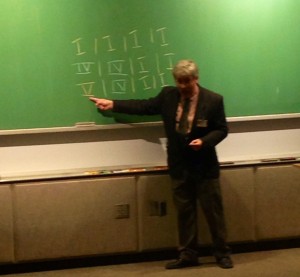
Once the song ended, the class quieted down and the lecturer, Dr. Stephen Lurie, began. “How do you know this is blues?” He asked. Silence fell upon the class. “Blaring horns!” I said, breaking the silence with  my excitement to be talking about the Blues Brothers in a medical school lecture.

Soon others piped in: “There’s a progression?” “Well the history of blues being connected to jazz…”

Soon, Dr. Lurie walked over to the lecture’s sound system and stated, “Well… let me play the song without any lyrics.” As the tune played on, he moved over to the board and drew a typical 12-bar blues progression:

blues brothers

Next, he played Louis Prima’s “Jump, Jive an’ Wail.

The Wildest copy

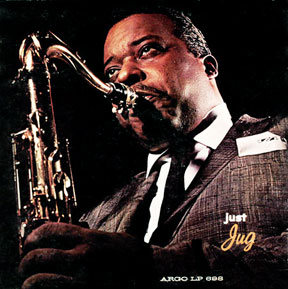
“In this next song, you’ll see that if you bend the notes, put the melodies in different places, it’s jazzy” Cue: Gene Ammons’ “Red Top“.

gene-ammons-argo

Pointing to the same notes on the board- he moved as each song progressed. “People really couldn’t get away from this!” Cue: Nat King Cole’s “Route 66

the_king_cole_trio-(get_your_kicks_on)_route_66_s

Cue: The Beatles “A Hard Day’s Night

uk_hard-days-night-album-ep

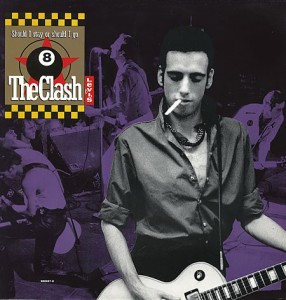
“Slow it down and you get…” Cue: The Clash’s “Should I Stay or Should I Go

 img_375276_4979004_1

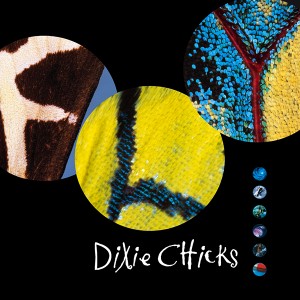
“You can also frame it and make people wait for it…” Cue: Dixie Chicks “Some Days You Gotta Dance”  As soon as the lyrics “some days you gotta dance” began- he continued his routine of pointing to the different notes on the board.

Chicksfly

Bringing this musical exploration to a close, Dr. Lurie urged us to see the power in the structure of the 12-bar blues. The journey that each song takes its listener on includes 4 bars establishing the root chord, a 9th bar with the climax, and a finale with the 11th and 12th bars of resolution. This format accommodates Gene Ammons’ jazz saxophone melody, Paul McCartney’s rock n’ roll vocals, and Mick Jones’ punk guitar riffs. Further, the very first note of a song has the very last note in mind and the song as a whole seeks to reach and entertain listeners through a collaboration with tools of the music industry. This structure enables listeners to focus on the uniqueness of each song which is highlighted by the forum of the 12-bar blues.

Bringing the lessons of these tunes into the wards, the structure of the oral patient presentation serves as clinicians’ 12-bar blues. The journey that each oral presentation takes its listener on includes a chief complaint, history of present illness, past medical history, and so on. This format accommodates the story of a patient with a simple otitis media to a patient suffering from Ebola virus. Just as with the tunes, the very first sentence of an oral patient presentation has the very last sentence in mind and the presentation as a whole seeks to provide proper patient care through collaboration with other healthcare professionals. This format enables any presenter and any listener to focus on the unique facts of each patient’s case, rather than different structural choices. As such, clinicians need not focus on creating a structure for their oral patient presentation, as it is already set in place. Rather, clinicians aught to focus on properly including the details of their patient’s story within the widely understood presentation structure. 

One study that highlights the importance of the format of one’s oral patient presentation is “Expectations for Oral Case Presentations for Clinical Clerks: Opinions of Internal Medicine Clerkship Directors“. This article rates “organized systematically according to usual standards” as the most important component of an oral presentation and, “includes full review of systems” as the least important. Use the presentation structure and be efficient when including the information your patient has shared with you.

Lastly, Dr. Lurie urged the class full of medical students to remember that written presentations are short stories while oral presentations are live songs. With performance elements at our disposal, we must properly cater to our listener and create a masterful oral patient presentation should we wish to refine the art of healing- beginning with a well-tailored introduction. Reflecting upon his lecture, Dr. Lurie wrote, “I once had a saxophone teacher who was always after me to play fewer notes when improvising. ‘Anyone can play a lot of notes,’ he used to say, ‘but if you want to make music you should play only the good ones.’ Michelangelo was reputed to have said that his method of sculpting was to see the form hidden inside the block of marble, and then to carve away everything that was not part of that form. Of course, as a first-year student you are not always able to see that form, but as you practice giving oral presentations, that is the method I think you should be aiming at.” 

Dr. Stephen Lurie now serves as a faculty advisor for the Medical Student Press. He served as Senior Editor for JAMA for four years. Read more about Dr. Lurie here.