Categories
General

Call For Medical Student Writers

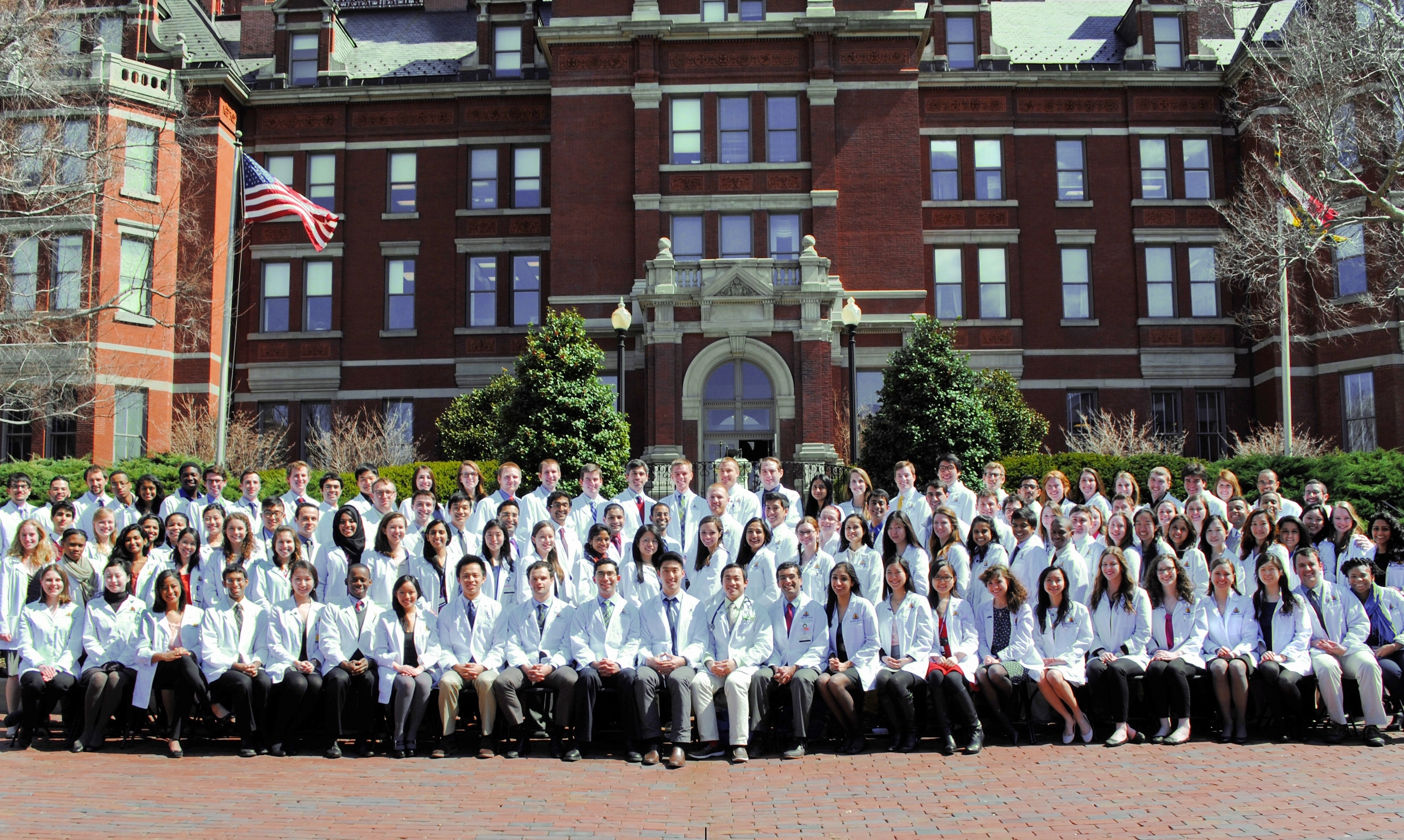
The Medical Student Press invites all current medical students to apply to join the MSPress Blog team. The MSPress Blog is a weekly publication featuring humorous, instructive, creative, and opinionated pieces.

Regular writers are required to submit one piece a month. To join the collaborative and expressive MSPress Blog team, visit our application site. CV and writing sample are required. For further information, feel free to contact the current MSPress Blog Associate Editor, Marija Kusulja (blog@themspress.org).

Categories
General Lifestyle Opinion

Staying Alive

https://www.youtube.com/watch?v=n5hP4DIBCEE

https://www.youtube.com/watch?v=ILxjxfB4zNk

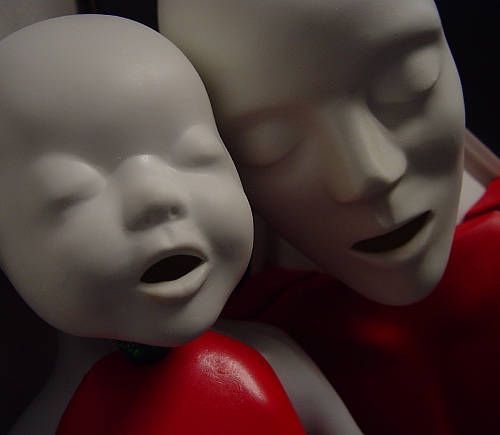
Have you seen these videos that promote hands-only cardiopulmonary resuscitation (CPR)? Unfortunately, they don’t appear to be as popular and catchy as the song they feature.

CPR is a basic life supporting activity that literally saves lives. Even though the majority of the public is familiar with the concept or CPR, most don’t feel confident in executing it when the need arises. This could be because there are not enough first aid courses. However, I think there is another important factor for consideration.

Media and the entertainment industry, especially films and TV shows, portray physicians performing CPR as a miracle. The setting usually includes a gasping patient whose ECG suddenly flat-lines; then the doctors run in, yelling ‘blue code’, and immediately applies defibrillator pads on the patient’s chest. There may be sparks, and the patient is usually shown to give a jolt, often waking up and becoming completely alert and fully recovered.

Following this highly romanticized portrayal of CPR, it’s not a surprise if non-health professionals decide to merely wait for heroic EMTs, paramedics or physicians. In fact, some may view CPR as a seemingly complicated procedure that requires special equipment with the ability to bring a dead person back to life.

I don’t expect medical TV shows to be completely accurate or to portray entirely realistic situations; nevertheless, the repetitiveness of this false portrayal of resuscitation sticks in the minds of viewers. The entertainment industry is not responsible for educating the general public, but even if they don’t portray CPR entirely accurately, they shouldn’t lead their viewers astray. Repetitively being exposed to on-screen resuscitation, people can come to believe that defibrillators are an essential piece of equipment, without which resuscitation isn’t possible and the best approach is to leave it up to health professionals. Furthermore, showing conversion of flat-line ECG into sinus rhythm implies that electricity can restart a human heart. With the amazing automated external defibrillators becoming more widely used, a non-health professional can use them without knowing which rhythms are convertible, but I still believe they need to be aware that flat-line ECG means there is no electric activity in the heart, and that electricity cannot reinstate it; all a defibrillator can do is give a jolt to an irregularly paced heart which will hopefully terminate the irregular rhythm, allowing the natural pacemaker to take over and reinstate sinus rhythm.

The media has a strong influence on all of us. While attempting to amuse the audience and gain financial reward, the media should still impart important and accurate life lessons.  Thanks to TV series and films, I don’t expect anyone would struggle to remember the emergency telephone number. Yet, because of the same media influences, many people would wait for an ambulance and their magical defibrillator instead of starting CPR themselves. Instead of giving false impressions about resuscitation, the media could play a large role in popularizing CPR as a simple, but vital action that can be performed by anyone, anywhere. Even though it is not the point nor purpose of the entertainment industry, this is an important message that can be relayed without requiring producers and actors going out of their way.

Featured image:
cpr mother & child by zen Sutherland

Categories
Clinical Humour Lifestyle

A Guide to the Operating Room for Medical Students Or How I Learned to Stop Worrying and Love the Sterile Field

The summer between MS1 and MS2 I did a research project with an orthopedic surgeon at my school.  Part of the project had me observing in the operating room (OR) a few days a week, watching procedures and helping with any tasks that came up.  This experience was actually my first time being in an OR, and I was pretty nervous leading up to it.  I had heard horror stories about students breaking sterility, knocking over solution bottles, and generally making fools of themselves in front of important people.  While I tried my best not to do anything foolish or embarrassing, it was oftentimes very hard to avoid.  Slowly, I become more confident in the OR, and the blunders came further and further apart.  As a service to all the pre-meds and un-initiated med students, I now present a short list of important things to know before your first OR experience.

  1. Figure out the rules.  Surgeons love rules, and at times it seems as if they have a weird fascination with them.  If you don’t ask then the rules are never really explained to you, and you will be in big trouble when you break one.  Consequently, I think it’s prudent to ask someone what the rules are.  Considering your fear of talking to the surgeon, he or she isn’t the best option.  The resident or intern is probably too sleep-deprived and hopped-up on caffeine to notice you.  Your best bet is to ask one of the circulating nurses or other students who have been on the service for a while.  Believe me, it will save you a lot of trouble later on.
  2. Make sure you’re dressed appropriately.  Make sure everything you’re supposed to wear is on correctly.  Make a mental note of scrubs, cap, mask, and boots.  Aside from actually wearing the right attire, please make sure you are wearing it correctly.  You’re going to feel really stupid when someone points out that your cap is on crooked, or that you forgot to tie half of your mask.  You will also be the butt of many jokes over the next few days when you aren’t there.  In addition to knowing what to wear, it is also important to know what not to wear.  Don’t wear shoes that you actually like, unless you think it’s cool to have fecal matter on your $100 Sperry’s.  Also, leave the personal items and accessories at home.  While that puka shell necklace you made in 10th grade art class may be “totally rad, bro,” it is definitely a sterility hazard and you definitely shouldn’t bring it into the OR.  Also, if you’re still wearing puka shell necklaces in your mid-20s you should probably re-evaluate your life choices.
  3. Know where the sterile field is and how to avoid it.  This rule only applies if you’re not scrubbed in, and the decision of whether or not you get to scrub should have decided before you show up.  Anyway, just remember that the sterile field should be avoided like the plague.  Any blue towel or covering should send off warning signals in your head.  Don’t get close to it, don’t breathe on it, and don’t even really look at it if you don’t have to.  Don’t try to be cute either and inch your way as close as possible, because the scrub nurse will call you out and you will be embarrassed.
  4. Try to look interested even when you’re not.  After the 5th time seeing the same surgery, it’s only human nature to get a little disinterested.  There are only so many times you can be mystified by a hernia repair, and you’ve probably passed that threshold long ago.  It is imperative, however, that you look interested at all times.  Surgeons have an innate ability, almost like boredom-radar, to tell when you are dozing off or doing something else.  These situations usually end up in you getting pimped mercilessly in front of everyone.  To make matters worse, you don’t come off looking like a shining star when your response to the first question is “Huh?”  You can typically avoid these situations by employing certain maneuvers that indicate “interest.”  My go-to method was switching sides of the OR every 20 minutes to get a new “viewing-angle.”  Another tried and tested one is intently looking at the monitors or camera.  Find what method works for you, and stick to it.
  5. If you’re not scrubbed in, find yourself a role.  Surgeons dislike idle people.  There’s nothing worse you can do than to just stand in the same place in the OR doing nothing.  Find a job you can do, and be amazing at it.  Like to record information?  Write down the incision and closing times.  Like to clean?  Become the best darn disinfectant wipe user ever.  Like to retrieve things?  Be the person who looks up and prints all the obscure research papers the surgeon even tangentially mentions during the procedure.  Note:  If you choose the last one, be prepared for incessant pimping later.  Remember folks, nothing is without consequence, so choose your punishment wisely.
  6. Prepare yourself for the spectacle that is a patient waking-up post-op.  This is the part that you never hear about or even see on those dramatized TV shows about surgery.  A patient waking up from anesthesia is most definitely not pleasant.  Prepare yourselves for all sorts of near disasters.  Patients will try to pull out breathing tubes, or roll over onto joints that have just been operated on.  Some will even try to get out of the bed, as they don’t realize where they are for the first few minutes.  People will often kick out their arms and legs, and if they aren’t stabilized someone on the team is bound to get a black eye.  The best thing you can do is to be aware of the possibilities, and find out how the team handles such situations.
  7. Find a place to store food for post-op consumption.  We have finally reached the pinnacle, the crown jewel of my OR guide.  Don’t pay attention to the fact that this rule actually doesn’t correspond to anything taking place in the OR.  After spending countless hours in the OR, the first thing on your mind will be food.  No matter how mundane or exciting the procedure was, human need for nutritional sustenance will take over.  Make sure you have a safe storage spot for food, whether it is in the clinical workroom or in the students’ lounge.  Also, considering that everyone you will be working with (read: vultures) will also be voraciously hungry and will have no problem eating anything lying around, make sure you keep your food in a place only you can find it.  Invest in a locker and a lock if your facilities have them.  You’ll thank me for this advice later.  You’re welcome, by the way.

Featured image:
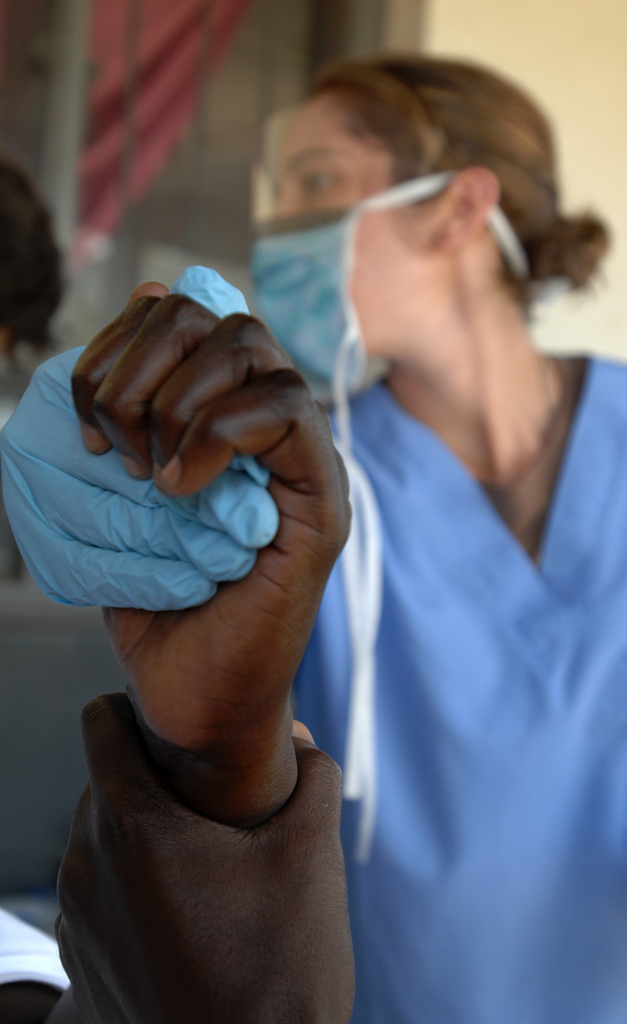
CPMC Surgery by Artur Bergman

Categories
Literature

Ishmael’s narrative: an emotional response

“Call me Ishmael” is the first line in Moby Dick and probably the most famous opening line in all of American Renaissance era literature. Taken in a different context: “Call me Ishmael,” or perhaps: “My name is Ishmael,” could also be a first exchange between a doctor and patient. Coincidentally, our Ishmael in Moby Dick tells readers something that resembles what a patient might say to a doctor following initial greetings:

moby dick
Photo courtesy of Tony Sun

[So doc,] Some years ago—never mind how long precisely—having little or no money in my purse, and nothing particular to interest me on shore, I thought I would sail about a little and see the watery part of the world. It is a way I have of driving off the spleen, and regulating the circulation…whenever my hypos get   such an upper hand of me, that it requires a strong moral principle to prevent me from deliberately stepping into the street, and methodically knocking people’s hats off—then, I account it high time to get to sea as soon as I can.

So, translation? That is to say, can a physician translate Ishmael’s opening account into a chief complaint and past medical history? Here is my attempt: Ishmael is a middle-aged male (his age is not given) who complains about feelings of boredom and tiredness. He also describes a history of behavioral symptoms that suggest underlying feelings of anger. Ishmael mentions he looks for ways of “driving off the spleen”—the most fitting definition of “spleen” given by the Oxford English Dictionary is: “irritable or peevish temper.” Imagine now, if a patient used that exact phrase, “driving off the spleen,” to describe his anger and how he tries to rid it. As a student, I encountered patients during my preceptorships that mentioned similar behavioral symptoms including becoming “more irritable” and “losing their temper.” I found it challenging but helpful to imagine such feelings and consider them in the context of the patient’s chief complaint and past medical history. This allowed me to move with the patient’s sorry and avoid awkward moments and responses. As an exaggerated example, responding with a huge smile to a patient saying they’re “irritable” is not an ideal reaction and creates a difficult situation. Many times, these problems may not even be apparent until later reflection. To give students more chances to reflect, some medical schools such as Weill Cornell Medical College offer students recorded sessions of them interviewing mock patients. As a student, taking complete patient histories is not an easy task, and we can use all the practice we can get.

To wrap the above discussion into the ongoing theme of my posts—how reading imaginative literature is useful to doctors and scientists—I would suggest that my classmates, and also upper years and residents, make time to read poems and imaginative fiction that elicit a wide range of emotions. To this end, I can give the example that reading Othello and King Lear elicits very different emotional responses than reading, say, A Midsummer Night’s Dream and As You Like It. Yes, readers should read deeply into the variety of emotions in these plays, but they must remember to feel those emotions within the characters of Othello and Lear, or in our case, Ishmael and Ahab. This reading followed by feeling is a practice that physicians can use while taking a patient history: read and hear the patients’ situation, and then feel with the patient. Importantly, students and doctors can practice this even outside the clinic, while reading a poem, play, or novel.

Coming back to Melville’s novel, Ishmael announces his decision to go on a whaling journey at the end of Chapter 1: “By reason of these things, then, the whaling voyage was welcome; the great flood-gates of the wonder-world swung open.” Ishmael’s decision to “get to sea” then brings readers into Ahab’s infamously mad pursuit of the white whale.

My future posts will follow Ishmael’s narrative and bring to light elements that relate to medicine and science.


Featuring image:
Sea and sky by Theophilos Papadopoulos

Categories
Opinion Reflection

Dear Doctor

Dear Doctor,

I hear you when you speak of that girl in the hospital ward. The ‘overdose in bed three.’ I hear the harsh judgements sneering through your lips, the sighs and the mutterings of ‘what a waste of life.’ As a student, I am all too privy to such remarks made in the corners of these hospitals. I have fallen upon them again and again.

Please do not be so quick to stereotype. Do you know how it feels to have your mind infiltrated by such intense emotions of self-hatred and loathing? Do you know how lonely it can be to lie curled within the four walls of your bedroom, just you and your mind waged in an eternal battle?

Yes, I realise how cliché that sounds. I know you have just come back from speaking to a young gentleman who has been paralysed. I know you have spent your years dealing with the terminally ill, holding the hands of the dying as you speak to a family overwhelmed with grief.

How can a teenage girl compare? Yes, she may appear to have everything. But aren’t humans’ more than just molecules and proteins? Don’t we all have dreams and desires of our own? What is it that makes us human? Our relationships, our goals, our ability to connect with one another. How would you feel to have these vital components torn away from you? No, it is not the equivalent of the man next door whose wife has just died. But that does not mean that she does not deserve your attention and your respect. You may have lived through the battles of the emergency department, the grievances of the families, the diagnosis’s of tumours to children barely in their teens. But she has not.

Look at her, sitting on the bed, her head bent over her lightly covered shoulders. Look at her, fingers fidgeting with the bed sheets, unsure what to touch or who to speak to. She is scared. She is in a new place. There are bright lights glaring down upon her, strangers rushing past her, eerie machines beeping at her. And inside her mind, the battle is continuing to rage. Look at the scars glistening upon her skin as she cowers in a blanket, trying to hide her wounds from the world. Aren’t those battle scars as well?

Imagine how it feels to have a mass of doctors suddenly gathering around your bed, all looking upon you with pity. Do you realise how exposed it can feel to be probed with such personal questions? The intricacies of your mind held open for a stranger to dissect.

‘Do you have any plans to end your life?
What methods have you thought about?’

She needs a friend. She needs someone to take her hand and ask her how she is feeling. Forget the Fluoxetine, the charts filled with drug doses. It is not a prescription pad that she needs. She needs a human touch.

I know she cannot hear you as you make your curt remarks. I know you will walk towards her filled with smiles and concerning eyes. I have seen that gentle handshake that you have mastered over the years, the slight pitch in your voice as you gently prod your questions. There is no doubt that you have a bedside manner. And within one minute you are gone, the prescription chart left upon her bed for the nurse to dispatch the drugs. The girl still sits there, her posture unchanged, unsure if the conversation had taken place.

I know you are busy. I know you have a team of doctors to command, a list of patients to see, a hospital to run. Yes, I know you have sat through hours of exams, studied well into countless nights to get to where you are standing now. I have respect for the devotion you have put into your career.

But please do not forget that young girl. Please remember to hold your tongue the next time you see a teenage overdose. Yes, to you it is another statistic to keep record of, another prescription to fill out. But to that teen lying in the corner, throwing up the contents of her stomach? She wanted to die just two hours ago. Do you know how that feels? To feel hopelessness so deep, that the future is but one long tunnel, filled with uncertainties and fear. Do you know how it feels to hold a bottle of pills in your hand, staring longingly at the container, at the hope it contains inside?

Yes, she will be fine. She will be discharged within a few hours, another free bed to fill. But please, the next time you come across such despair in someone’s eyes, do just one thing; sit down on the bed beside them, and ask them how they are. Look into their eyes as they speak, and let your whole being be encapsulated by their story. Let them open up to you, with patience and empathy. If someone had done this to them before, do you think they would be in this position now?

Please, the next time you blurt out another cutting remark, a sneer at the cries for attention. Look across the room at your patient sitting there. Look at their posture, their body language, their eyes. Does this look like the sort of person who needs your judgement? Or does this look like someone who needs a listening ear?


Featured image:
Writing with Ink by urbanworkbench

Categories
Poetry

For Med17: Thank you.

I find a glimmer of light.
It is the shape of a keyhole
and wavers. I crawl
blindly in a sudden desperate desire
to find the lock
and the source of light that is behind it.
The keys in my pocket jangle.

When I am in the hospital I am a stranger
amongst other strangers. Only
because I am wearing a white coat
I am supposed to know where
to go. The hallways bustle with white noise.
I hug myself and move quickly so no one
can see me shaking.

There are several keys in my pocket.
Keys made to open to secure
to keep safe to rescue.
Keys that are purposeful and always always
come with a lock. But there
one key is still being formed
is new and raw
is lockless.

The streets are full of ice
and wherever I step
the dark glimmer cracks.
I feel that if I am not careful
I may miscalculate a step and then
the crystal surface of my confidence
hair-thin
will collapse, will bring me ankle-deep
in barely frozen water rushing unintuitively upwards
rising into my socks past my white coat
soaking my barely used scrubs
ice-water surging towards my knees
femur gasping in its acetabulum
thoracic spine shaking
like a suffocating fish.
I am drowning in the thought that
I am not enough.
The snowbanks drip in the sunlight
and sparkle.

I sit amidst all my past and present identities
and begin to make out a new one ahead.
It is mirrored in the M4s: knowledgeable mature
scruffy in a responsible doctor-like way.
Will I too become like them?
I am not afraid of how I might change but rather
what I will lose after a year in the hospital.
The lock to my growing key remains unknown.
And yet, I sense its existence—
a path of light filtering through the darkness
towards me…

…and you too. Your light
your key
your lock
our journey.

Med17: thank you
for the past two years
and for the years to come.
I have my key in one hand
and your hands in the other
as we search for our hidden locks together. We walk
and look and celebrate when one of us finds a lock that fits
that opens up a bright new world of excitement.
Where will you be?
Where will I? Only time and walking and sharing together will tell.
And the doors one day will open
leading to new rooms and new doors
and our keys will jangle
like the sound of clapping hands
like the sound of many smiles
breaking ice.


Featured image courtesy of Stephanie Wang Zuo

Categories
General Lifestyle Opinion

I Will Not Try To Fix You

Disability—The Oxford dictionary defines disability as “a physical or mental condition that limits a person’s movements, senses, or activities.”

Although some disabled people have medical ailments, the two conditions are not synonymous. While a disabled person might require medical attention, disability is defined by social barriers, not pathophysiology.

It is an umbrella term and includes impairments and activity limitations. Impairment is a problem in the body’s structure or function; activity limitation is a difficulty encountered by an individual in executing a task or action.

Disability is a complex phenomenon, reflecting the interaction between features of a person’s body and features of the society in which he or she lives. Overcoming the difficulties faced by people with disabilities requires interventions to remove environmental and social barriers.

Those with disabilities have capacities for motor, sensory, and cognitive tasks that differ from the “norm.” Each individual has different qualities and capabilities, but defining this “norm” is practically impossible. Society can create barriers that do not allow an individual to develop to his or her full potential. Likewise, society can remove disabling barriers. A wheelchair user cannot get into a building with steps at the entrance, but a ramp or a lift completely removes that particular barrier. Seated before a ramp, is an individual in a wheelchair disabled?

An individual with Down Syndrome can hold meaningful employment if provided with appropriate support. Down Syndrome itself is not a disability; it is a medical condition. An individual will experience specific barriers that emerge because of the relationship between impairments and societal barriers. The presence or absence of medical conditions can cause one individual to vary from another in terms of motor, sensory, and cognitive function, but an individual is only disabled when appropriate accommodations are not made.

As a societal construct, disability fluctuates in different settings. In a completely adapted home, or with adequate assistance, an individual might have no disability at all; while, in an environment without assistance, this person might become disabled.

Physicians treat medical conditions and, as such, they tend to focus on the “limitations” and “abnormalities” associated with disabled people’s conditions; heart disease, for example, in those with Down syndrome. Disabilities, however, are not medical conditions in and of themselves. The role of a physician is to assess the health of a disabled person, provide treatment for associated symptoms, and anticipate as well as prevent future complications. This can greatly improve a disabled person’s quality of life, and, in some cases, even prolong life. Fixing the disability is not in the doctor’s job description.

How do you, as a medical student, perceive disabled people? Do you feel as if medicine failed them by not being able to “cure” them?

Disability is not tragic; it is tragic that society doesn’t appreciate the abilities of disabled individuals.

Disabled people often report being patronized by medical staff, being described as having “a fate worse than death”, or carrying an “unhealthy gene”, as well as “suffering” from a condition. Consider the power of language. Great advances have been made in both medicine and technology, and even more in the public’s perception and understanding of disability.

Disabled people have more freedom, independence, and equality than they did previously, but there is further work to be done. Rather than making a distinction between disabled or not, physicians should be leaders in embracing diversity and independent living for all of their patients, including disabled people.

Dr. Chris Smith – a disabled associate professor of communication arts and sciences at Calvin College, USA – recently spoke about perceptions towards disabled people, stating that “the ultimate test of living in community is found in our willingness to change our minds about one another.”

People with disabilities have the same health needs as non-disabled people – for immunizations, cancer screening etc. They may experience a narrower margin of health, due to both poverty and social exclusion, and also because they may be vulnerable to secondary conditions. Evidence suggests that disabled people face barriers in accessing the health and rehabilitation services they need in many settings.

As future physicians, it is important to view disabled patients equally to all others, whilst acknowledging the barriers they face. When approaching your disabled patients, do not define them by their impairment, do not pity them, do not try to “fix” them; rather, appreciate their abilities, recognize them for their values and behaviors, support them to achieve their aspirations, and, most importantly, listen to them.

Featured image:
disability by Abhijit Bhaduri
Categories
General Literature

Moby Dick and Medicine

Last weekend, my classmates and I went on a ski trip to a most excellent resort in Vermont. This trip was partly a literature retreat for me, as I chose to reread a large portion of Herman Melville’s Moby Dick on the drive there and back. Upon arriving at the resort, I was inspired to write this post for two reasons. Firstly, the main room had a scenery that I felt to be most conducive to writing (see photo). Secondly, I had been thinking during the drive up to Vermont about how rereading Moby Dick, or any other piece of imaginative literature, is related to rereading texts in medicine, including our current lung unit’s clinical cases (as some of my classmates had been doing in the van), or even re-“reading” a real-life scenario during a pulmonary ward rotation. I realized that there are many similarities, some of which I will share in this post. Again, my central question is: what is the usefulness of reading imaginative literature for the progress of science and medicine?

Photo courtesy of Tony Sun

First, I’d like to introduce, or for some readers, re-introduce Melville’s Moby Dick, a supreme example of American Romanticism. The Romantics were involved in a movement that affected Western art, music, and literature, primarily in the 19th century. In America, the chief Romantic writers were R.W. Emerson, N. Hawthorne, H. Melville, W. Whitman, and H.D. Thoreau. These writers wrote about the art of rereading texts, created characters that had to re-experience situations, and presented the meaning of redoing what has already been done or experienced. The last is of crucial importance and is what unifies the first two themes: rereading and re-experiencing. For any belated reader or writer, there is naturally an anxiety of comparison with precursor writers and readers. Belated individuals may ask themselves: how can I read in an original way, or, how can I write original ideas? For Melville, his question might have been: how can I create and write an original character that embodies vengeance, when Shakespeare had already done so with Iago, or John Milton with his Satan. But Melville overcame this anxiety. He created Ahab, a fusion and reworking of the characteristics found in Iago and Milton’s Satan.

You may ask: how does Ahab and Melville relate to science and medicine, and how is Romanticism related to the art of medicine? I see two main links, one being that reading the Romantics enables one to be more knowledgeable about the issue of originality, and two being that observing how the Romantics handle the art of redoing enables one to redo something and still retain originality. These two links are not mutually exclusive, and the second naturally follows the first—learning what originality is enables one to redo things in original ways. Take this for example: a pulmonary intern (keeping the lung theme) sees a case of fibrotic lung disease that had been presented recently at grand rounds. Now, repeat this situation maybe ten times, that is to say, the intern sees ten more patients with fibrotic lung disease and goes to ten more grand rounds on fibrotic lung disease. Could such repetitiveness lead to boredom for the intern? I can’t answer this from experience, as I’m only a first year student, but I’ve heard the answer to be: “Yes.” A bit of originality could help the intern out here, so here I invoke the experience of reading and rereading Melville: when I reread Moby Dick, or reread any other book, I remind myself to be more aware of where I reread, how long I reread, and how I feel when I’m rereading. And then I compare these to my previous experiences of reading Moby Dick, that is to say, where I first read it, or, where I previously read it. I would argue that the intern can try something similar with clinical cases and grand rounds: where did I last see this case of fibrotic lung disease? And how did I feel when I last saw this case? These questions can make each case of fibrotic lung disease original and interesting.

To finish this post, I’d like reflect on my previous post. In my first post titled “Imaginative Literature and Medicine,” I laid out my objectives and motivations for writing in this blog, and I identified three focal points that I can discern in the medical humanities: 1. a literary focus, in which writers identify characters in literature that are scientists and doctors and write about these characters; 2. a medical focus, in which doctors and scientists reflect on personal anecdotes and write about them creatively in the form of poems or short stories; and 3. a practical focus, in which writers identify links between literature and medicine and argue for the usefulness of reading imaginative literature in practicing medicine and science. My interest is in the third category, and admittedly, I think this is the most underdeveloped of the three categories. This second post on Melville, Moby Dick, and medicine (a convenient alliteration, I might add) is meant to not only continue where I left off in the first post, but also to start a trend for future posts, in which I will be drawing more links between medicine, science, and the American Romantic writers: R.W. Emerson, N. Hawthorne, H. Melville, W. Whitman, and H.D. Thoreau.

Featured image:
Ahab reloaded by José María Pérez Nuñez

Categories
Innovation Lifestyle

Pathographies

“Illness is the night side of life, a more onerous citizenship. Everyone who is born holds dual citizenship, in the kingdom of the well and in the kingdom of the sick. Although we all prefer to use the good passport, sooner or later each of us is obliged, at least for a spell, to identify ourselves as citizens of that other place.”
– Susan Sontag, Illness as a Metaphor

Words are important. They allow us to meet on a common ground, to share experiences and learn from each other. They can evoke every emotion and open new friendships. They can also be therapeutic, and a way to fill the gap between doctor and patient.

Pathographies, defined by the Oxford Dictionary as ‘the study of the life of an individual or the history of a community with regard to the influence of a particular disease or psychological disorder’, have become more popular over the years (1). Walk into any bookstore and you will eventually come across the healthcare corner: a small stack of books by people who have crossed the abyss into the land of ill health. Such stories speak of hope, love, loss, and despair as patients and their families come to terms with the sudden invasion into their lives. Treading through illness can be an isolating experience, filled with pain and uncertainty.

The Database of Individual Patient Experience is a UK-based charity that runs two websites: healthtalk.org and youthhealthtalk.org. It was created by Dr Ann McPherson, a GP who was diagnosed with breast cancer, but found that she had no one to talk to and share her experiences with. As a result, these websites are filled with patient’s experiences of their illnesses, how they coped, and their family’s reactions. Such websites can open a common ground for those who are suffering, those who are newly diagnosed, and the friends and family who may want to learn about how they can help.

“I am tired of hiding, tired of misspent and knotted energies, tired of the hypocrisy, and tired of acting as though I have something to hide.”
– Kay Redfield Jamison, An Unquiet Mind

How can they help us?

Pathographies are about putting the patient at the heart of healthcare and asking the question: can I truly understand what a person is going through if I have never suffered that ailment myself? By putting experiences into words a bridge is created, allowing those of us who work in healthcare to reach out that bit further. These stories can help us to take a step back from our jargon-filled lives; to not see the routine dialysis, but the precious hours spent with the husband; not the dry numbers of oxygen steadily increasing upon the hospital charts, but the feeling of accomplishment when one is able to take that first breath unaided. Illness is not just a list of problems that need to be crossed off. It is a continuous process filled with dark corners and dead ends.

In an increasingly globalized world, an appreciation of the cultural diversity lying upon our doorsteps is ever more needed. Everyone experiences illness in a different way. The culture we grew up in influences how we look at ailments (3) and the way we handle pain (2). It is through Pathographies that these worlds of illness and health are brought together, creating a narrative that allows us to delve inside the patient’s mind regardless of ethnicity or race. We look beyond the clinical terms, the graphs and the numbers, and not only does this help us to see the patient through a broader lens, it also breaks barriers with the next person we meet. This cultural understanding allows us to look after the ill in the way that they want to be treated – with dignity and compassion. It puts control back in the person’s hands at a time when chaos reigns. Pathographies can help to break the formulaic clinical story. A person is not a machine with a broken part, but an autonomous being with desires and goals, whose need for help cannot always be fit into a category.

All too often we can get caught up in the stereotypes: the smoker with COPD, the teenage overdose, the forty-year-old female with gallstones. We must remember our own biases as we sit in our staffrooms: our own assumptions built from our privileged educations. We no longer live in the world of the authoritative doctor dressed in his white coat. Instead, we let the patient’s words fill the silence.

Instead of opening another lengthy medical textbook, looking up the obscure and the malignant, we can open up a Pathography and step into our patients’ lives. No matter what our role, whether it’s inside healthcare or not, the voice of illness speaks in everyone’s ear and it deserves to be heard.

Further Reading

Illness as a Metaphor, AIDS as a Metaphor by Susan Sontag
An Unquiet Mind by Kay Redfield Jamison
C: Because Cowards Get Cancer by John Diamond
Intoxicated by My Illness by Anatole Broyard

References
1. American Association for Marriage and Family Therapy. 2014. Chronic Illness [Online]. Available at: https://www.aamft.org/iMIS15/AAMFT/Content/consumer_updates/chronic_illness.aspx [Accessed: 28th October 2014]
2. Briggs, E. 2008. Cultural perspectives on pain management. Journal of Perioperative Practice. 18:468-471
3. Wedel, J. 2009. Bridging the Gap between Western and Indigenous Medicine in Eastern Nicaragua. Anthropological Notebooks. 15:49-64

Featured image:
 Speak no evil, hear no evil… by Personal Kaleidoscope

Categories
General Opinion

Be Kind to Your Med Techs (And Everybody Else)

Before I was accepted to medical school, I was a medical technologist. This basically means I worked in the laboratory at a large hospital. I was playing one of the “behind the scenes” roles that many of us probably played while we were getting the medical experience required to get into med school.

Med techs are the people who run the CBC’s, comprehensive metabolic panels, amylases, lipases, pregnancy tests, urinalyses, cross-matches, etc. etc. ordered by the doctors. Usually, I was in direct contact with the nurses and doctors, who either called my line directly or came down to the lab if something needed to be clarified or a specimen needed to be delivered.

I’ll tell you right now the difference between a good day and a bad day at work. Two factors contributed: how swamped we were with patient samples, and how good of a mood the doctors/nurses were in (I say “doctors/nurses” because the moods of these two groups of people usually parallel each other quite well on any given day, and often the doctors communicate to other staff through nurses).

Of course, no matter what part of healthcare you work in, there are going to be days when the patients just don’t stop coming and you can’t catch a break. That’s unavoidable; the only thing you can do then is pray to the all-powerful but oft malicious gods of healthcare for some sort of respite.

But the second factor is something you and I can do something about as future doctors. I don’t know what your feelings are on “Reaganomics” (a.k.a. “trickle-down economics”), but I can tell you for sure that “trickle-down attitude” is most definitely a thing. If a doctor has an ungrateful, self-important, entitled, or simply negative attitude, then all of the people that doctor works with will absorb that negative energy.

As a med tech, I absorbed plenty of this negativity while working long night shifts. I’ve been yelled at for not having the test results of an order that was never put in. I’ve been hassled unnecessarily for CSF WBC counts before the tubes had even gotten to the lab. I’ve been berated by frazzled nurses because I needed them to get me a redraw due to hemolysis. Every time this happened, it shifted my stress and discontentedness level up a notch. It only takes a few notches to ruin an entire shift,and a few bad shifts in a row can cause burnout to quickly sink in. Work becomes death. Getting out of bed before a shift becomes nigh impossible. It gets more and more difficult to be fully engaged at work, which increases the likelihood of errors.

It’s not just med techs, either. The same thing happens to all allied health professionals. Phlebotomists, X-ray techs, radiology techs, nurses, CNA’s, orderlies, and even janitorial staff are affected by how the doctors in the facility are acting. Whether we like it or not, being a doctor means being a leader. So please, I beg you: be kind to your med techs (and everyone else).


Featured image:
Work Hard And Be Kind Wallpaper by Clay Larsen