Depending upon which school you attend, the first one to two years of medical school are predominantly classroom-based learning. As medical students, we spend countless hours memorizing facts about disorders and diseases. We pore over diagnostic criteria, look for the minutiae in radiographs, and stress about the side effects of antibiotics and other medications. While all of this information is useful and important, the reality of medical education soon changes when students start spending time in the hospital and in various clinics.
In transitioning from pre-clinical to clinical education, it soon becomes clear to medical students that what you learn in class and what you actually see in patients is quite different. Furthermore, even when presentations are clear it is still not trivial to determine what an actual patient’s diagnosis may be.
One poignant example, which I remember well, occurred while I was shadowing a local pain management Physician as part of the early clinical exposure course at our school. The patient whom we saw had a textbook case of C-7 radiculopathy with associated shoulder pain and loss of sensation. We had learned about radiculopathy in medical school, and I had a working knowledge of the diagnosis. After I had spent some time interviewing the patient, my preceptor asks me what I thought the diagnosis was. I had some idea that the patient had a radiculopathy, but in my nervousness and uncertainty all I could muster up were a few whispers and murmurs. My preceptor turns to me and basically says that this was a very clear case of C-7 radiculopathy. After hearing the diagnosis, I distinctly remember thinking that I had known the disorder and had seen the symptoms in the patient, but had been unable to connect the dots.
The ability to connect the dots and turn pre-clinical knowledge into data that is useful in a clinical setting is a difficult skill to acquire. You have to deal with patients that have varying presentations and many associated comorbidities, both situations that are not emphasized in much of the book and lecture-based learning of the pre-clinical years. The only real method to attain proficiency in a clinical setting is hands-on experience.
Noting this need for hands-on experience, medical school curricula has changed substantially over the last decade. More medical schools now offer early clinical skills and patient experiences in their curricula, hoping to bridge the chasm between pre-clinical and clinical education. At the school that I attend, we start to see real patients in the second week of our first year. In the second semester of our first year, we embark on a year-long experience in local clinics where we work with practitioners to learn the ins-and-outs of clinical medicine and practice. Most other schools have implemented similar programs. Furthermore, the trend towards shortening pre-clinical education to one to two years is a direct response to student need for early clinical experience.
While early clinical exposure is important in medical education, it must occur with a solid foundation of preclinical knowledge. Balancing knowledge acquisition with practicing clinical skills is a juggling match every medical student must deal with. Luckily, we don’t have to learn all of it during medical school, as medicine is a lifelong learning experience.
In this second part of my three part series on forensic pathology, I will be exploring the role of the forensic pathologist in society at large. Of all the specialties, forensic pathology seems to be largely ignored and/or unknown to the medical students I have met. Certainly, the prospect of working with dead patients doesn’t appeal to the majority of medical students, but hopefully a review of what forensic pathologists do will remind everyone that we should not take for granted the important social role they fill. In her book Postmortem: How Medical Examiners Explain Suspicious Deaths, Stefan Timmermans puts it the following way:
“Death is not an individual but a social event. When, with a barely noticeable sigh, the last gasp of air is exhaled, the blood stops pulsating through arteries and veins, and neurons cease activating the brain, the life of a human organism has ended. Death is not official, however, until the community takes notice.”
Many practicing physicians are surprisingly hazy on the subject, which becomes a problem when these physicians improperly fill out death certificates (a common occurrence which drains public resources to straighten out) or fail to recognize deaths as suspicious and warranting investigation.
Medical examiners are usually certified forensic pathologists who have been appointed to the medical examiner position as an employee of the government. They serve a vital role in the government’s public health systems; if a public health danger emerges of an unknown nature and is killing members of the community, who better to solve this pressing puzzle than a medical examiner? When death occurs under unexpected or unknown circumstances, i.e. when it is suspicious, then the probability that a public health danger is lurking about increases. If we don’t know why people are dying, how do we know who is at risk? How can we mitigate the threat? It is the responsibility of the medical examiner to figure this out, whether the threat is a murderer, an infectious disease, a faulty product on the market, etc.
When death occurs under certain circumstances, the body and investigation come under the jurisdiction of the medical examiner. In fact, by law (in San Francisco at least), a medical examiner must investigate the following types of deaths: violent, sudden, unusual, unattended by a physician in the last 20 days or with no medical history, related to an accident (either old or recent), homicide, suicide, due to an infectious epidemic, anything due to criminal acts, all deaths in operating rooms or following surgery or a major medical procedure, all deaths in prisons, jails, or of a person under the control of a law enforcement agency. Some of these categories are purposefully vague, in order to encourage doctors and other agencies to contact the medical examiner if the death is questionable in any regard whatsoever.
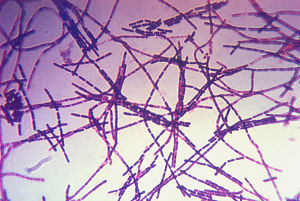
Medical examiners have the responsibility to unearth public health threats as they investigate all of these unusual deaths. For example, it was medical examiners who helped identify the mysterious and deadly powder distributed through the U.S. Postal Service in 2001 as anthrax, and who determine infant deaths are caused by defective cribs on the market, and who do the initial work in identifying infectious disease epidemics.
Clearly, forensic pathology is essential in maintaining a safe and just society in modern times. Well trained medical examiners performing top-notch forensic work ensures the timely, correct identification of threats to the community. Their role as public servants should never be taken for granted. They may work behind the scenes, but their work is necessary for our society’s high standards of well-being.
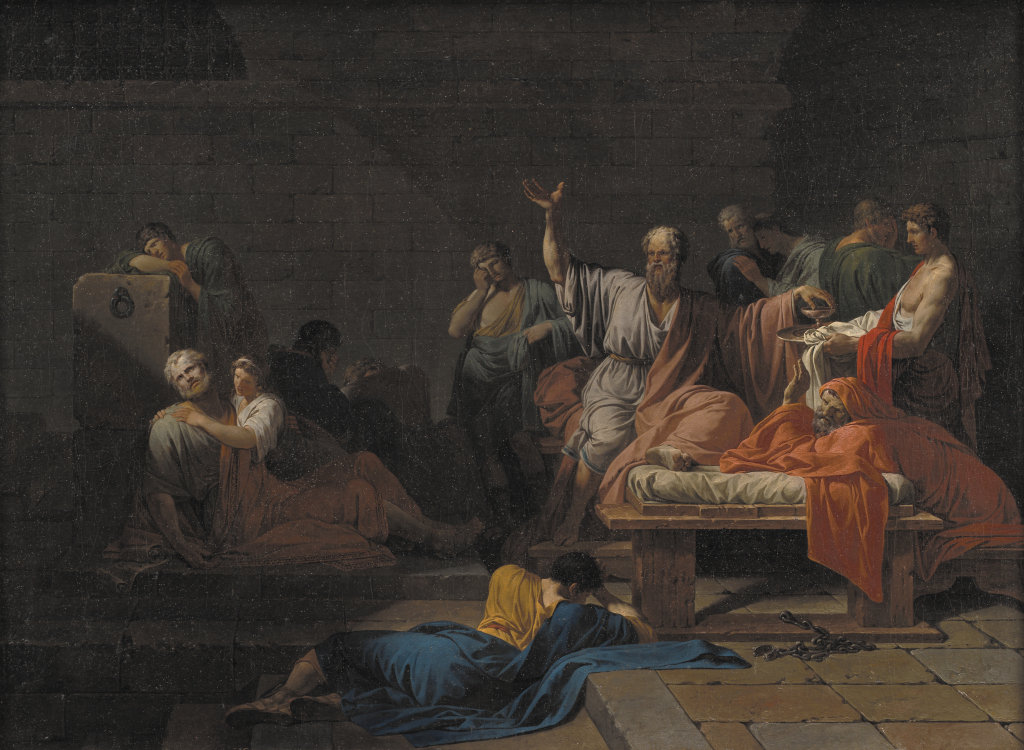
What is the usefulness of imaginative literature to the practice of medicine and science? This question continues to intrigue me, and according to Weill Cornell’s admissions dean Dr. Charles Bardes, it is an important question that “remains unanswered.” I approached Dr. Bardes in mid-November this year after being impressed and intrigued by the physicianship lectures he gave as part of our first-year Essential Principles of Medicine curriculum. One of his most memorable lectures was the October 9th presentation on how to take vital signs. His lecture started out with an introduction to taking body temperature. As many readers know, body temperature is often measured first when vital signs are being taken, and it’s one of the easiest measurements to take. But the meaning of a particular body temperature is not always so simple. In the course of his lecture, Dr. Bardes reminded students of the possible meanings of an increased or decreased body temperature relative to the average normal range. He then proceeded to explore one interpretation of a decreased body temperature: dying and death. He presented a historical (Socrates) and a literary (Falstaff) example of decreased body temperature as it relates to dying and death. Importantly, how Dr. Bardes chose to explore this relation was more interesting than what he chose (though I do share with Bardes a common fascination with the character of Falstaff). I quote, below, from his October 9th lecture:
Here you see a representation of the death of Socrates, as narrated by Plato, and painted by David. And the text describes how Socrates, after drinking hemlock—he’s just about to do so here—becomes cold. And he becomes cold beginning with his feet, and it gradually ascends up his body, and Plato says that when the cold has reached the level of the thorax, that’s when Socrates breathed his last. You can see here a combination of biologic observation, that is, that this sort of ascending coldness does in fact occur, but also a little bit of literary fiction—there’s nothing magical that when the cold reaches your chest, you die; that was another little bit of medical folklore. [Also] Here we have the death of Falstaff, which actually happens offstage in the play, but onstage in the Laurence Olivier movie, and Mistress Quickly describes how Falstaff becomes cold, ascending from toe to chest, until he is, in her words, as cold as any stone. Those are the meanings of…decreased temperature.
Certainly, there are numerous ways to provide details and anecdotes on how changes in body temperature are related to changes in physiology. A keyword search in PubMed of “body temperature changes” reveals more than fifty-thousand articles on that subject. Dr. Bardes didn’t choose this path to present his lecture. Yes, one can learn a great deal about body temperature changes by reading any of the articles on PubMed, but what do such articles on case studies and molecular pathways not tell us? They don’t provide the human and historical context to the medical condition. Yes, case studies no doubt can include anecdotal material, but such material provides a limited perspective. What about the vast historical and literary contexts that are available to us? Why should we not look through such material and mine them for gems related to our subject matter? Socrates in human history experienced death and dying, as did Falstaff amongst Shakespeare’s universe of characters. Dr. Bardes wonderfully brought in such contexts to give each of us diverse tools to make meaning, and to quote again from the lecture: “these things [increased and decreased temperature] have meaning. Why do we do them, because they have meaning.” How we make meaning, then, and the tools we choose to do this, is up to us.
I continue, every day, to explore literature, medicine, and science; for me, they are just variations of the same thing: a desire to better understand and describe life, and to make meaning in life. Though the methods and jargon differ between those fields, their objectives should be common and coherent. If the objective, then, is to make meaning in life, then each field ought to be practiced daily with the same enthusiasm and joy we give to life itself. I practice all three–literature, medicine, and science—daily and with joy because I have fallen in love with all three. The best works in all three fields have been produced when their creators have fallen in love with their works, a cliched but true notion (on this note, I’ll cite Josh from the new-age Broadway musical I recently saw, If/Then, when he affirmed to viewers that “it’s cliche, which means it’s true”—indeed, it’s true that the best works were created by those who loved what they were creating). On this theme, the late Yale poet and professor John Hollander said this of Professor Mark Van Doren’s sublime book on Shakespeare, that he “enlightens us, not because he has any special knowledge or private advantages, but because his love of Shakespeare has been greater than our own.” A love of making meaning in life, then, I propose, will be found in the greatest physicians and physician-scientists, because they will produce the best works when they love what they do. I will, on this note, go out on a limb to surmise that if Falstaff had been trained as a physician, and not as a knight, he would have been an excellent doctor, though he clearly—and we love him for this—fails in his duties as a knight. He loves living, however, and making meaning as he lives. Harold Bloom, most certainly our best reader of Shakespearean in the last half century, said this of Falstaff, that “if you crave vitalism and vitality, then you turn…most of all to Sir John Falstaff, the true and perfect image of life itself.”
For The Medical Student Press, I have two main objectives I hope to achieve in my blog posts. Like Dr. Bardes, I’d like to share how reading imaginative literature, focusing on Shakespeare, has provided contexts and insights for my medical training. Secondly, and this will simply be an extension of my first objective, I’d like to share my enjoyment of literature, medicine, and science with colleagues and readers. In this manner, I’d like to fill what I think is a gap in the medical humanities canon. There has already been much written about medicine and medically-related themes in poetry and fiction, but such pieces seem too literary and theoretical for my taste. Another category of writing within the so-called field of medical humanities involves poems or short stories that seek to communicate personal anecdotes in medicine or reflect upon them. But there is a third category of writing, one that I think has been under-appreciated, and the goal for these writers is in describing the relevance and usefulness of imaginative poetry, fiction, and drama to scientists and physicians. This relatively unexplored third category is what interests me and what I like to write and think about. I end this post by echoing what Weill Cornell’s Dean Laurie Glimcher shared with us in her holiday greetings:
Do not go where my path may lead,go instead where there is no path and leave a trail. -Ralph Waldo Emerson Warm wishes for the holidays, Laurie H. Glimcher, M.D. Stephen and Suzanne Weiss Dean
With the end of 2014 and almost the whole of 2015 upon us, there is no better time to sit and reflect on the past year and to mentally anticipate the year to come. In this free time, I’ve thought a lot about New Year’s resolutions. Now, I’m not referring to resolutions like losing weight, exercising more, or eating healthier meals. I’m referring to resolutions that are specific to the medical student. We, as medical students, live unique lives that require a different set of resolutions than what are typical of most other people.
Here are my top 5 medical student New Year’s Resolutions:
Resolution #1: Get on a sleep schedule that resembles normal circadian cycling
Medical school really screws up your sleep schedule. Late nights studying coupled with mornings filled with lectures leads to afternoon naps, which leads to sleeping later at night due to the fact that you aren’t tired. This vicious cycle continues throughout medical school, and your suprachiasmatic nucleus is all out of whack. Therefore, the first resolution I propose is to try to sleep at normal hours. Let’s face it, those hours of studying after 11 PM aren’t really that productive anyway. You’re probably better off going to sleep so that you’re rested for the next day’s study marathon.
Resolution #2: Preview material before the lecture
I feel as if this resolution is something everyone has already tried. Personally, I tell myself that I will preview material before every new block. I am even successful for a little while, usually keeping up the trend for the first few days of the course. However, like all things that are too good to be true, this habit usually falls by the wayside after “life” (read: laziness) catches up to me. Therefore, the second resolution is to make a conce rted effort to preview material before the lecture. The chances that this is successful throughout the entirety of the next semester are low, but you should humor yourself for a little while at least.
Resolution #3: Do more outside of school
We know medical school takes most of our time. We come into medical school all but expecting as much. However, that does not mean you shouldn’t do other things outside of school, for both your physical and mental health. I’m talking about things you do for yourself that have no direct affect on your professional life. If you enjoy cooking, you should cook more. If you enjoy sports, you should play or watch more. If you enjoy any other hobby imaginable, pursue that as well. Pursuing such endeavors may decrease your studying and professional development time, but it will also prevent burnout and increase happiness.
Resolution #4: Get out into the community
Ok, this one is kind of a continuation of the last one. But, I felt this recommendation was too important to not have its own category. One thing I think many medical students feel is that while they live in a certain place during medical school, they never really come to know that place because they are always studying or at the hospital. We, as students, need to get more in touch with the communities we serve in a non-medical way. Volunteer at local shelters, kitchens, or churches. Talk to the people that live around you. Explore the city’s historic landmarks. Eat at some of the city’s best restaurants. You may not recognize it now, but there is great value in really knowing and appreciating the nuances of where you live.
Resolution #5: Get Better Every Day
Medical school is an interesting and challenging time in a person’s life. While at times it can be overwhelming, it is important to realize that medical school is a marathon and not a sprint. As such, it is important to focus on getting a little bit better every day. If you get a little better at something every day, you will reach proficiency sooner. This resolution extends not only to your medical life, but to other aspects as well. As long as you get a little bit better every day, no day is wasted.
In November, I had a sobering moment with one of my research mentors in medical school. My mentoring relationships had till then been smooth-sailing– throughout my high school and college career, I found that my role models and teachers were readily available and more than willing to play a catalytic role in my learning and growing. Thus, when I began to struggle in my mentoring relationship with Dr. C, I was surprised. Uncertain whether I should approach Dr. C about it, I kept my concerns to myself.
It wasn’t until November that we had a much-needed conversation in Dr. C’s office. I became aware of how a wrong first impression, unclear expectations from the get-go, and several instances of miscommunication had caused our relationship to falter rather than flourish. I am thankful for the way that both Dr. C and I were able to honestly discuss these faults as learning points and have a renewed sense of optimism for our future interactions. Moreover, the experience of falling short in this mentoring relationship has allowed for an incredible amount of reflection and maturing on my end. Through my experiences, I have compiled several lists of tips and pointers that will be helpful not only in your current mentoring relationships, but also in finding new mentors and determining whether a potential role model is right for you. I hope this article will help enhance your interactions with past, current, and future mentors!
How to Find a Mentor:
Sometimes, when we are lucky, mentors are assigned to us (such as in the case with my mentor, Dr. R). These mentors are people who we may or may not click with, but either way, make an effort to be on good terms with them!
In most cases, networking is key. Interested in primary care? Get involved with the Primary Care interest group, which will have connections to faculty and residents. Go to a Family Medicine conference and meet faculty from other institutions. Be bold in asking potential mentors whether they would be free to meet, reaching out in person or over email.
Ask existing mentors whether they might know someone who could give you advice on an issue or interest you might have. They will often be able to point you towards the right person.
Characteristics of a Good Mentor:
Make sure your mentor is someone you admire and can look up to, whether personally, professionally or both.
Don’t pretend to be someone you aren’t just to have connections with a hopeful mentor. The right type of mentor is someone you can be yourself with. This will allow your mentor to tailor advice to you, making their words all the more influential and trustworthy.
A good mentor has enough time to mentor you. If a potential mentor is too busy to answer your emails or acknowledge your concerns, the mentor-mentee relationship will likely fizzle out in the long run.
A good mentor is a great listener. He/she will listen actively and provide thoughtful responses to your questions and concerns.
Your prospective mentor should be willing to actively help you in developing your academic and/or personal life. Ideally, he/she should be excited to help you in both areas.
Tips on How to Get the Most out of a Mentoring Relationship:
The best type of mentor cares enough to give you constructive feedback to help you on your journey in medicine. Be humble and listen carefully.
Be clear about your expectations for the relationship from the very beginning. Make sure to discuss with your mentor why you want or need a mentor in a certain area of your life and what you hope they will add to your learning/career in your first meeting. Don’t be afraid to bring up any changes with your mentor in order to make sure that you are both on the same page.
Reach out when you need help—that’s what your mentor is for! Sometimes, you may need to be persistent; you’ll know which of your mentors are better at responding to emails/texts than others.
Be persistent but know how busy your mentor is. Respect his/her time.
Have more than one mentor. Don’t limit yourself as there are various people who can help you grow in different parts of your life.
Be thankful. Mentors want to make a change in their mentees’ lives and nudge them towards successful futures. Make sure you let them know when they are doing a good job! In the same vein, reach out to past mentors every once in a while to send updates and maintain your relationship. You’ll never know when you may need help or advice from past mentors, and it is a wonderful way to show that you still appreciate them.
Lastly, make a note about the characteristics and skills of a good mentor from your current mentoring relationships. One day, you will find yourself in your mentor’s shoes, sitting across from a slightly nervous but eager medical student. A good mentor-mentee relationship will prepare you for that day!
I highly recommend the following article and presentation if you are interested in learning more about making the most of a mentoring relationship!
This piece is the first in a three part series on Forensic Pathology in the United States. I will focus on how death investigation works in this country, the critical role physicians play in the process, and how to fix the enormous shortcomings of our current system.
It is perhaps necessary to begin by distinguishing medical examiners from coroners. Coroners do not have to be medical doctors in most states, and are usually elected. Typically a sheriff or another member of law enforcement fills the role of coroner. The requirements for being a coroner vary, but in most states no intensive training is required. For example, in California (where I live), a coroner must take a 2 week course, after which he or she may write death certificates in traumatic injury cases. Coroners do not perform autopsies, but do have the final say regarding the cause of death. They may or may not send bodies out to contracted pathologists for autopsies, and may or may not follow the recommendations of the pathologists who perform the autopsies.
A medical examiner is, by definition, a medical doctor. He or she is usually board certified in forensic pathology with the American Board of Pathology. Becoming board certified requires 4 years of medical school, plus a 3-4 year residency in anatomic pathology, plus a one year fellowship in forensic pathology. Once this extensive training has been completed, the individual may perform autopsies and present evidence as a medical expert in a court of law.
In 2009, the National Academy of Sciences released a report entitled Strengthening Forensic Science in the United States: A Path Forward, which outlines how death investigation in the United States is conducted. The report begins in the following manner: “Recognizing that significant improvements are needed in forensic science, Congress directed the National Academy of Sciences to undertake the study that led to this report.” Clearly, the government saw that there was a need to look into the way forensic science is practiced. As it stands, each state and each county has a different system put in place for death investigation. The following map shows this patchwork of systems:
Unfortunately, this means that where an individual dies determines the quality of investigation into his or her death. Many factors contribute to the quality of the investigation, including whether there is adequate funding for the coroner and/or medical examiner’s office, and whether the physician performing the autopsy happens to be board certified in forensic pathology. There are no national standards for this; the National Academy of Sciences report mentioned above states that “the hodgepodge and multiplicity of systems and controlling statutes makes standardization of performance difficult, if not impossible.” There is no proficiency testing for the individuals who carry out these investigations, which results in incompetent practitioners being able to work unnoticed for decades.
Occasionally, court cases with heavy media coverage will bring the glaring need for standardization front-and-center. Horror stories abound about lost body parts, bullet holes being overlooked, wrongful convictions, murderers walking free as a result of botched autopsies, etc.
In cases involving police brutality, conflicts of interest often arise because elected coroners usually have strong ties to law enforcement. If an individual in custody is beaten to death, or if there is a police shooting similar to the one making headlines now in Ferguson, Missouri, do we really want the person in charge of the body and/or in charge of the entire death investigation to be an ex- or current police officer?
PBS Frontline: Post Mortem aired in 2011 and took a look at the problems mentioned above. This program featured two forensic science professionals who shared their opinions about the deplorable state of death investigations in the United States:
“In this country, many medical-legal offices are producing garbage.” -Vincent Dimaio, M.D., former Chief Medical Examiner, San Antonio, TX
“It amazes me that such an important aspect of our government as medical-legal death investigation doesn’t have accreditation.” -Ross Zumwah, M.D., Chief Medical Examiner, New Mexico
Clearly, we need to improve on our processes, and as future physicians and citizens we need to understand the importance of forensic pathology and death investigation, for the sake of our communities at large and for the sake of the families of those who have passed away. Our patients do not stop being our patients after they pass away; everyone deserves the right to a proper investigation surrounding the circumstances of their death.
I recall being fresh out of my first year of medical school and ecstatic to be spending my break not in a class room, but at an actual pediatric oncology unit. The night prior to my first day in clinic, I spent time reviewing immunology and looking ahead at the oncology lectures from the Clinical Medicine class I would take the next year in school. I wanted to be prepared in front of my new mentor.
The next morning, I hardly had time to impress my preceptor let alone introduce myself before we were running around. We stopped at the pathology lab. I gazed through the microscope, trying to remember what I had read the night before about identifying abnormal cells.
“I have a new patient that arrived today. She is very sick. We have to tell the family the definitive diagnosis. Come with me.”
We urgently walked up to the inpatient floor into one of the rooms. A beautiful young girl was sleeping in the bed. Her parents and grandma were diligently by her side. They froze and looked at the doctor. This was the final confirmation they had been waiting for. They held onto the hope that they had been sent to the oncology floor by mistake.
“We have confirmed that your child has a rare cancer.”
I watched as any sliver of hope vanished from their eyes. They would not wake up from this nightmare. The moment my mentor delivered the diagnosis, I could feel the world take a 180 eighty degree turn for this family. It was as if their world froze at that moment. How could this be? The child looked so peaceful, fast asleep while hospital monitors blinked around her. Just a week ago, they were running around to sports practices and dentist appointments and going through the everyday motions that we consider to make up a normal life. I’m not even sure that this family was breathing at this moment. The room became deafening silent as all the color drained from their faces. The doctor proceeded to talk about what would happen in the days to come. What did this mean for their child?
Just when the family (and I) didn’t think it could get worse, they were told about the side effects of the medications – the only option to treat their child’s condition. The doctor began with the common side effects like nausea, vomiting, hair loss. Next, cardiomyopathies. Neuropathy. Loss of reproductive function. This is when this family broke. Loss of reproductive function. I always thought the diagnosis would be the hardest thing to hear. For them, the breaking point was learning of the adverse effects of the very medications intended to save the child’s life. These medications are meant to represent hope, protection, and reassurance for a life beyond disease. The doctor paused again, giving this family time to just cry. Tissues went around.
“This is hard. Take your time. I am here for you throughout this entire journey.”
I watched the mother of this little girl look at her own mother. It was a look of despair, yearning for answers that wouldn’t come. Even if her child survives, bits of the future have already been stolen. We left the room after two hours to let the family have time to process.
Outside of the room, I tried to process what I had experienced. The information I read in my textbooks and PowerPoints did not prepare me for that interaction. I looked at my preceptor for guidance.
“This is real. This is hard. We will fight with them, though. We do everything in our power not only to treat the cancer, but to make sure that cancer does not define their life. This is what we do.”
Throughout the rest of my summer, I went on a roller coaster from new diagnoses to the “completion of chemo party”, from being declared cured after a 5-year visit with no evidence of disease to the tragic death of a child. I watched children balancing school with chemo. I watched teenagers struggle with fear and bravery while grasping at any chance to maintain their independence. I watched parents struggle to care for a sick child while still being present for the other children they left at home. The things I learned that summer could not have been taught in a classroom. With every family I met from all over the world, I witnessed raw and vibrant emotions: fear, determination, sadness, and never ending hope, even in the wake of death. It is this hope that I take with me. It is contagious. These are the emotions that makes us human.
At one point during the summer, I asked my mentor what the secret was to enduring such difficult clinical conditions. I had watched him interact with all of his patients each day. Every single one loved him. The mother of that little girl later told me how he was able to comfort them, cry with them, joke with them, and laugh with them with such ease. He was able to guide them through this journey, with the help of hospital resources, to give them a life within this new normal. In response, he said:
“There is no such thing as being the best doctor in the world. You have to be the best doctor in the world for the patient sitting in front of you. That is my first priority, more than my research or my teaching. Get to know you patients and their families. Learn from their stories. Keep fighting to improve. That is how you become the best.”
So much of early medical education involves pouring over books and PowerPoints, trying to memorize as many details as possible. It is important to have that foundation of knowledge, but what I have come to realize is that there are rarely pure “textbook cases” because so much more goes into caring for a patient. One size does not fit all in medicine. This experience brought back the humanity of medicine. I witnessed how knowing and understanding patients enables a physician to be an advocate for their patients, a role I consider to be the most important of the many roles a physician takes. I can never come close to knowing exactly what these families are going through. I also can’t thank them enough for allowing me to be present during their most vulnerable moments, for taking time to talk with me for a brief period to get a glimpse of their journey. Ultimately, this experience was a reminder that the art of medicine can’t be discovered in textbooks. It is learned from our patients and the uniqueness that their individual journeys bring to each patient encounter.
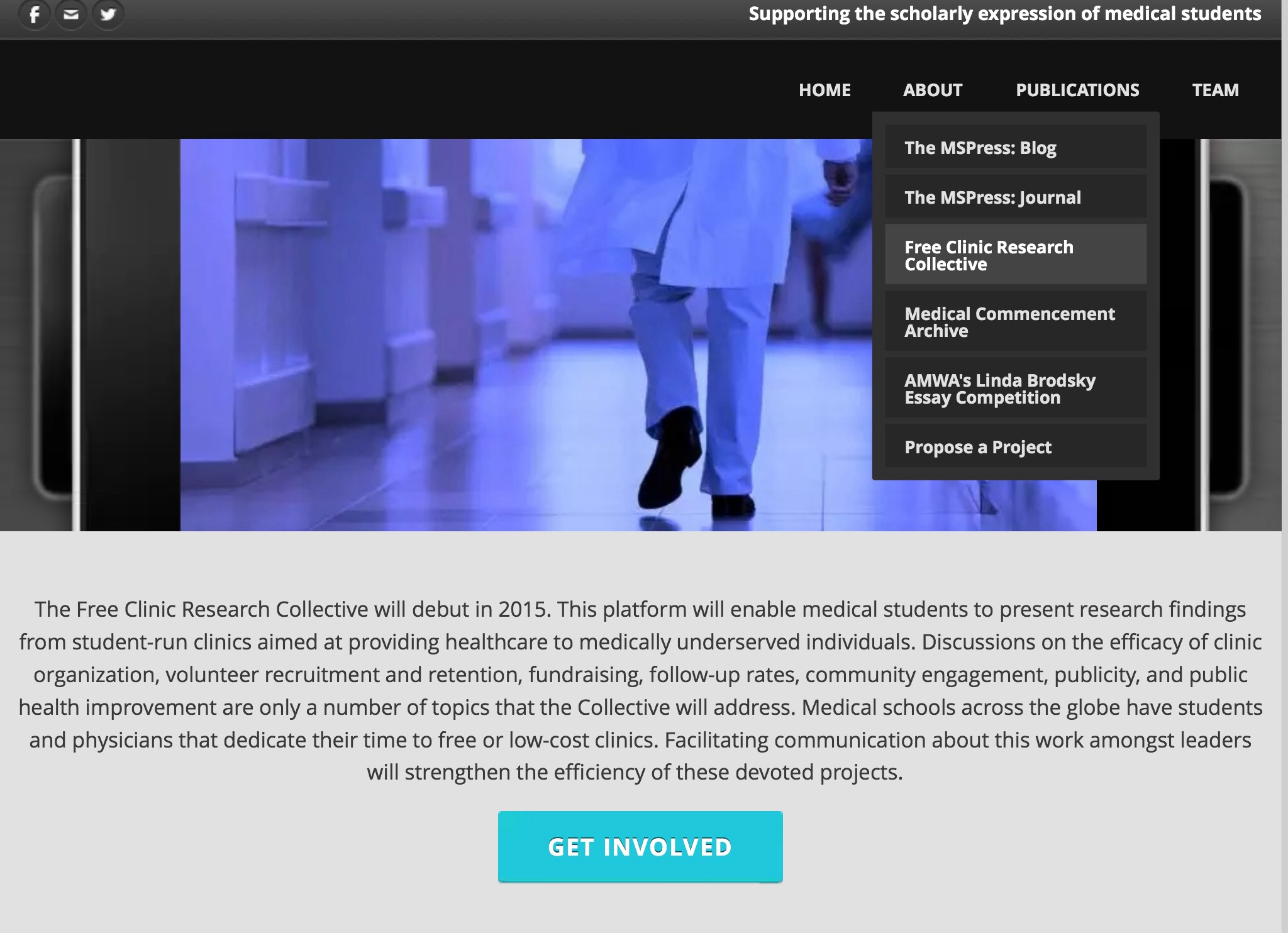
The MSPress Blog is proud to support The Free Clinic Research Collective.
The Collective will debut in 2015. This platform will enable medical students to present research findings from student-run clinics aimed at providing healthcare to medically underserved individuals. Discussions on the efficacy of clinic organization, volunteer recruitment and retention, fundraising, follow-up rates, community engagement, publicity, and public health improvement are only a number of topics that the Collective will address. Medical schools across the globe have students and physicians that dedicate their time to free or low-cost clinics. Facilitating communication about this work amongst leaders will strengthen the efficiency of these devoted projects.
If you are a clinic coordinator, volunteer, or researcher interested in getting involved with or publishing within The Free Clinic Research Collective, contact the MSPress Editor-in-Chief: editorinchief@themspress.org
Mr. Gerald knew the exact day, three years ago that his wife moved into assisted living due to her early-onset dementia and primary progressive aphasia. After being admitted, she suffered a femur fracture, underwent surgery, and soon was no longer able to walk. Her dementia progressed rapidly. As I sat collecting interview data from Mr. Gerald in the hallway, his wife was being moved from her bed to her wheelchair; she was now unable to speak, only able to change her facial expressions and occasionally move her hands. I feared talking to Mrs. Gerald’s love, as I knew that he must be hurting tremendously. Making Mr. Gerald relay the struggles of the last few years simply for the sake of practicing my interview skills felt wrong. My sorrow began to mirror Mr. Gerald’s as the story of his wife’s incurable condition unraveled. He told me the intimate details of the Gerald family dynamic with great accuracy, stating that he was happy to be teaching medical students about their experiences.
“I am with my wife every morning and afternoon for six days of the week; our daughter comes on the seventh day. I am her companion and I keep her active constantly.” Honored to be speaking to such a dedicated husband, I asked, “…and what is that time like? Do you feel that your presence helps your wife with her condition?” Silence fell upon the room. Mr. Gerald tried to speak but was caught by tears. “Please,” I said, “you don’t have to talk about anything that you don’t want to – you are doing such incredible things for your wife. Thank you so much for sharing with us.” The other medical students added their humble thanks and Mr. Gerald continued,
“the aids here, the nurses, they tell me that my wife lights up when I am around – that it is simply not the same when I am not here.”
I asked Mr. Gerald about the strain that this illness has had on life and he relayed that tending to his wife was indeed difficult but it was his duty to do so for his loved one. Being by her side was crucial to him. He described his other daily activities, revealing the healthy social and family life that he maintains outside the assisted living facility.
The physical examination was next, so we moved into Mrs. Gerald’s room. Calling her by her nickname, Mr. Gerald walked in with great enthusiasm and began attending to his wife. Her eyes opened and she smiled, fixating all her attention on her love and ignoring the three white coats that brooded over her.
Once my time with Mr. and Mrs. Gerald was over, I consulted Mrs. Gerald’s medical file. As I read, I came across notes from the assisted living facility’s social worker:
“Mr. Gerald visits his wife frequently. With time, he should do so less.”
That is all that was written. Posing that family or friends aught to visit their ill loved ones less often is not such a cut and dry topic and surely does not merit such stringent of a statement. All families react to illness differently and this should not only be understood by healthcare providers but respected. This was a case of absolute dedication. The physician-patient relationship is secondary to the loving human relationships that enrich patients’ lives. Recognizing this essential fact is crucial to approaching patients and their loved ones humbly – without it, true healing is not attainable.
One of the most influential and uplifting things that can happen during medical school is finding someone older, wiser, and more mature than you and being blessed with the opportunity to be mentored by that person.
“I don’t think I can do this anymore.” As the words left my lips, I felt a slight twinge, a burning feeling. Shame. I was one month into medical school and I was already giving up. We were in a 7-week crash-course version of anatomy with lectures, Team Based Learning (TBL) sessions, and dissection in an overwhelming whirl that spun us ever more rapidly as the course progressed. I wasn’t made to memorize the flexors and extensors of the leg and the nerves and vessels of the pelvis. My brain wasn’t wired to take in this much information and properly spit it all back out. If this was medicine, I didn’t think it was for me.
There was a moment of silence on the other line. I sniffed and blew my nose. Dr. R finally spoke.
“Stephanie, tell me more about what you’ve been thinking about.”
Over the next half-hour, I shared with Dr. R my frustrations with the rote memorization of anatomy and the feelings of burn-out I was already experiencing, having come straight from college to medical school. She was patient and understanding, encouraging me with her own experiences. She acknowledged my perspective and in her gentle way, validated it. Suddenly, I did not feel so alone. To my surprise, I found myself filling with hope that I could find success in medical school. I wiped away my tears and ventured a small smile as she made me promise to update her in the next few weeks. When I hung up the phone, I glanced at the time— it was nearly 10:00pm. I had texted Dr. R that I hoped to talk to her sometime soon about something urgent, and she had texted me back immediately. I was so grateful that she didn’t hesitate to approach me during my moment of panic and self-doubt.
If medical school is a marathon, then having a good mentor in medical school is like having a personal coach. He/she is on the sidewalks, cheering you on, letting you know about the hill up ahead, and reminding you of your goals during the long, empty stretches of road. You look over your shoulder and at times notice that your mentor is covered in sweat and dirt and Gatorade too. In fact, your mentor has another race, but he/she is taking time off to watch you run. From sharing about previous mistakes to being an example for how to run a race successfully, your personal coach and mentor becomes a role model throughout your marathon and beyond.
How did I meet Dr. R? In fact, I was assigned to Dr. R’s mentoring group on the very first day of medical school. As part of the Colleges program at Johns Hopkins, the mentoring group (known fondly as a “molecule”) is composed of one faculty member and five medical students in the same year. The faculty member checks in with his/her molecule throughout their four years of medical school and provides guidance, assists with planning, and teaches clinical skills. Dr. R has walked with me through both personal and professional issues—from work-life balance to dealing with poor study habits to encouraging me to embrace my passions. Moreover, I was absolutely touched that she managed to make it out to my wedding last summer. In inviting me to shadow her in the hospital to having my molecule over at her house to meet her husband and children, Dr. R has generously opened her life up as an example of how one might pursue a career in medicine. In doing so, she has become a true life mentor to me.
It is well-known that medical school isn’t easy. Thus, having a guide and avid supporter is invaluable. Mentoring programs are becoming more common nationally, as research has found that having mentorship is an important component of success in academic medicine (Cho et al, 2011). However, the importance of seeking mentorship from the start of medical school isn’t always properly emphasized. Do you currently have an influential mentor? In what ways have he/she supported you? How would you define a “good mentor”?
If you don’t yet have a mentor or your current mentoring relationship isn’t going as you hoped, not to worry! In my next blogpost, I will share some suggestions about how to get started with finding a mentor as well as how to make the most of a mentoring relationship.
Coming up…
“How to Approach a Potential Mentor and Get the Most out of a Mentoring Relationship”





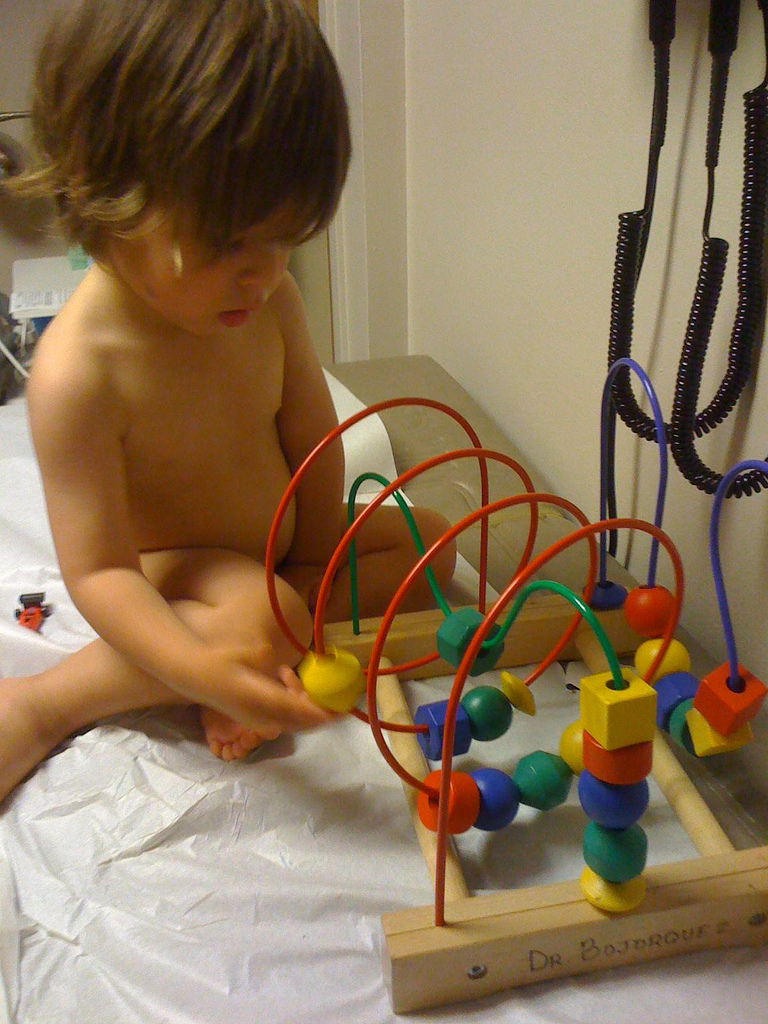 I watched as any sliver of hope vanished from their eyes. They would not wake up from this nightmare. The moment my mentor delivered the diagnosis, I could feel the world take a 180 eighty degree turn for this family. It was as if their world froze at that moment. How could this be? The child looked so peaceful, fast asleep while hospital monitors blinked around her. Just a week ago, they were running around to sports practices and dentist appointments and going through the everyday motions that we consider to make up a normal life. I’m not even sure that this family was breathing at this moment. The room became deafening silent as all the color drained from their faces. The doctor proceeded to talk about what would happen in the days to come. What did this mean for their child?
 So much of early medical education involves pouring over books and PowerPoints, trying to memorize as many details as possible. It is important to have that foundation of knowledge, but what I have come to realize is that there are rarely pure “textbook cases” because so much more goes into caring for a patient. One size does not fit all in medicine. This experience brought back the humanity of medicine. I witnessed how knowing and understanding patients enables a physician to be an advocate for their patients, a role I consider to be the most important of the many roles a physician takes. I can never come close to knowing exactly what these families are going through. I also can’t thank them enough for allowing me to be present during their most vulnerable moments, for taking time to talk with me for a brief period to get a glimpse of their journey. Ultimately, this experience was a reminder that the art of medicine can’t be discovered in textbooks. It is learned from our patients and the uniqueness that their individual journeys bring to each patient encounter.